As Iranian protesters escalate their opposition to Islamic rule and move toward what they describe as a new revolutionary phase, they now face a growing and unprecedented challenge. Following weeks of violent repression, reports indicate the presence of foreign military mercenaries operating alongside the Islamic Republic’s security forces.
For more than four decades, Iran’s ruling establishment has developed a military apparatus designed to recruit and deploy foreign fighters in pursuit of its ideological objectives. This force—known as the Quds Force—operates primarily across the Middle East and parts of Africa, functions as an external arm of the Islamic Revolutionary Guard Corps (IRGC), and reports directly to Supreme Leader Ali Khamenei.
During the protests, and prior to the complete nationwide internet shutdown, some social media users reported that certain members of the security forces were communicating in languages other than Persian, while others appeared physically distinct from Iran’s recognized ethnic groups, bearing closer resemblance to populations from neighboring countries.
After a limited number of Iranian protesters—despite extensive state restrictions and deliberate disruption of satellite-based internet access such as Starlink—as well as travelers abroad, managed to transmit images of bloody confrontations with demonstrators, additional evidence emerged suggesting the presence of armed non-Iranian individuals alongside Iran’s official security forces.
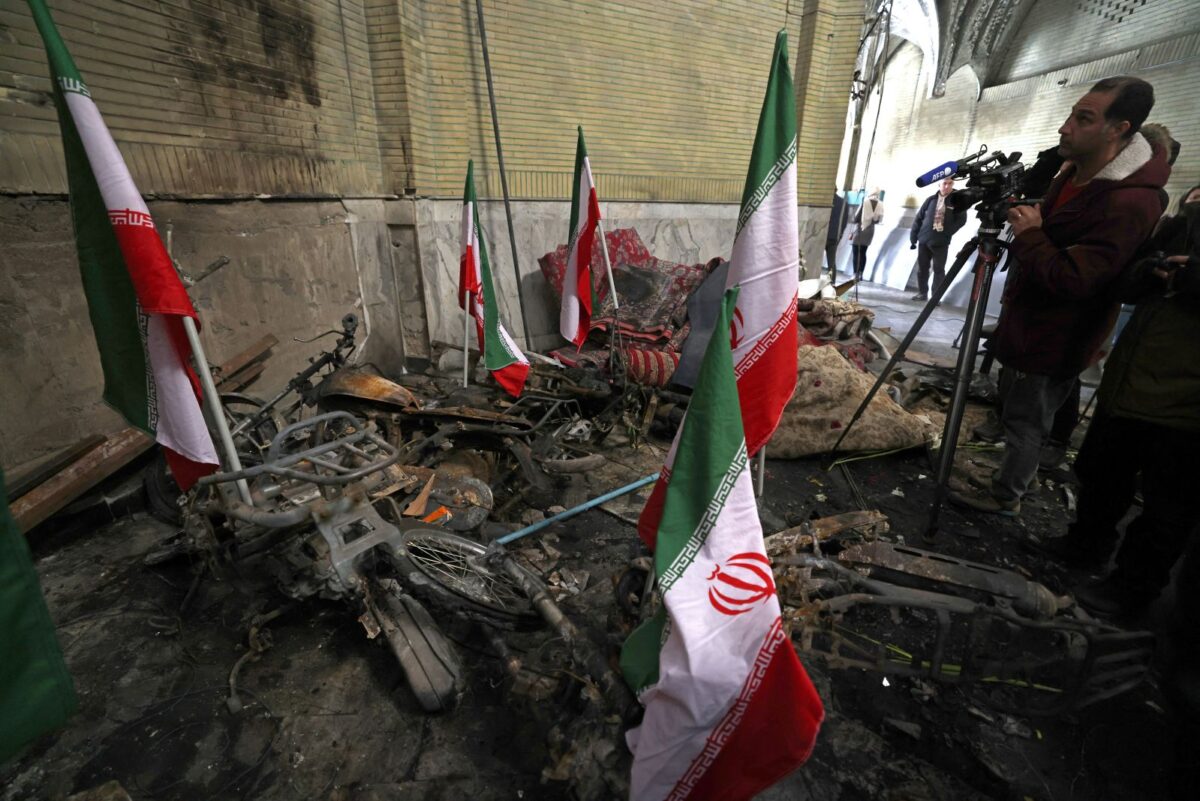
As protests intensified and demonstrators openly articulated demands for regime change, the Islamic Republic opted for an exceptionally violent response. According to the British newspaper The Sunday Times, citing a “recent report by doctors inside Iran,” at least 16,500 protesters have been killed. The U.S. network CBS News has estimated the death toll to be as high as 20,000.
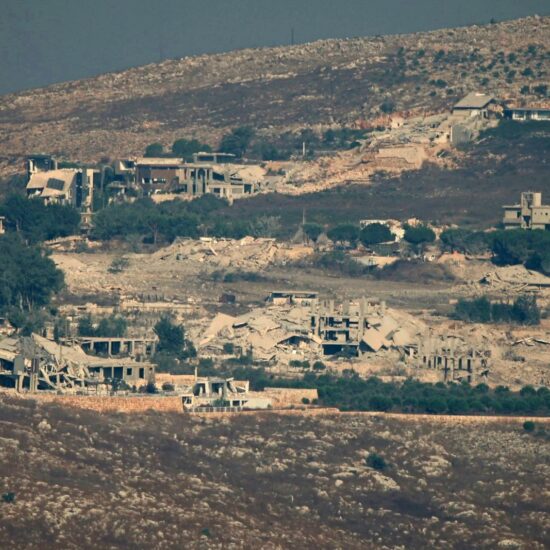
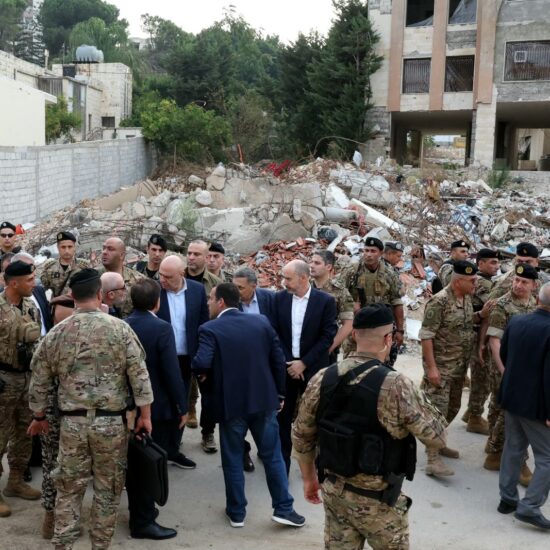
At the same time, Germany’s Der Spiegel reported increased movement over the past ten days involving armed Shiite groups departing from Lebanon—individuals believed to be primarily affiliated with Hezbollah. According to the report, these fighters were officially transferred to Iraq under the pretext of “religious pilgrimage.”
These proxy militias—referred to by Tehran as the “Axis of Resistance”—are predominantly Shiite armed groups from across the Middle East that have been funded, armed, and organized by Iran. Their stated mission has been to advance the political and ideological objectives of Iran’s ruling clerical establishment through military action and political interference in other states.
Previously, CNN, citing a European military source and an Iraqi security source, reported that approximately 5,000 members of Iraqi militia groups had traveled to Iran in recent weeks to assist government forces in suppressing the protests.
Following mass mobilization in response to calls by Reza Pahlavi, the former Iranian crown prince, and amid escalating violence against unarmed protesters, the Israeli newspaper The Jerusalem Post, citing new reports from Iran, wrote that there is a strong possibility the Iranian government has relied on foreign forces to quell demonstrations. According to the report, such fighters—lacking ties or allegiance to the local population—may be more willing to use extreme violence against Iranian civilians.
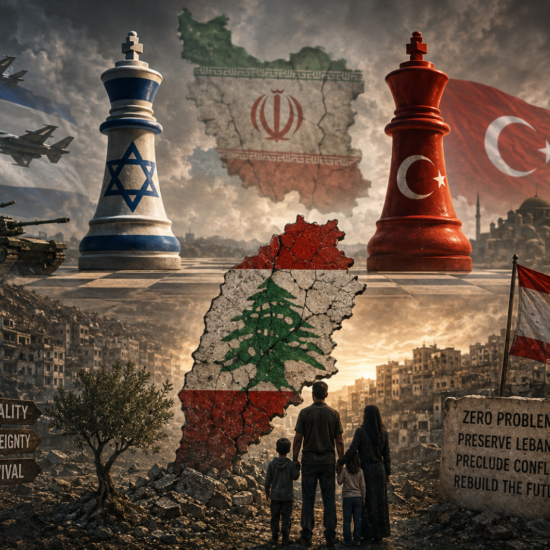
One of the earliest and most prominent proxy groups established by the Islamic Republic is Hezbollah in Lebanon, formed in the 1980s with direct support from Tehran to expand Iran’s regional influence and confront Israel. Later, amid unrest in Syria and the broader context of the Arab Spring, additional proxy formations were created under the Quds Force as the potential collapse of the Assad government loomed.
In recent days, field reports and sources close to Iran’s ruling establishment have indicated the organized participation of several armed groups in suppressing Iranian protesters. These reportedly include Liwa Fatemiyoun (Afghan Shiite militias), Liwa Zainebiyoun (Pakistani Shiite militias), and multiple Iraqi Shiite factions such as Kataib Hezbollah, Harakat al-Nujaba, Kataib Sayyid al-Shuhada, Asaib Ahl al-Haq, Kataib Imam Ali, and Ansar Allah al-Awfiya. Many of these militias have been designated as terrorist organizations by numerous countries.
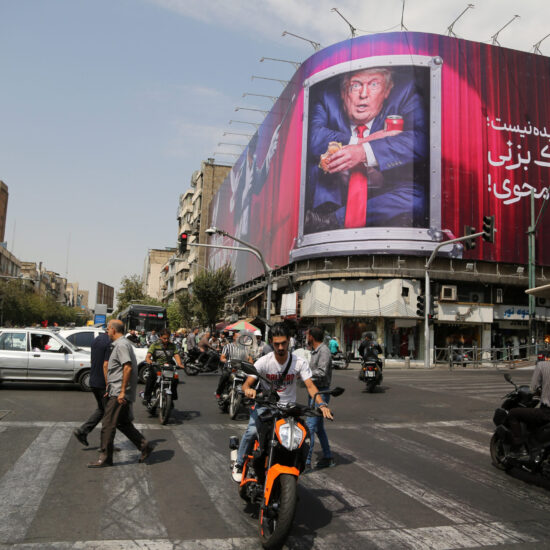
These developments come as U.S. President Donald Trump has repeatedly warned Iranian leaders of possible military consequences should protesters be killed or executed. In this context, some of the region’s most hardline militias—long opposed to Trump’s policies—appear to have entered Iran, raising fears of a far more lethal with the protesters confrontation.
In January 2020, the U.S. military, acting on direct orders from Trump, carried out a nighttime drone operation near Baghdad International Airport, killing Qassem Soleimani, the former commander of the Quds Force and the central architect of Iran’s proxy network.
More recently, on January 16, the U.S. president referenced both a operation aimed at Iran’s nuclear infrastructure and the killing of Soleimani, stating that had Soleimani remained alive, American actions in Iran might not have been as effective. Trump described Soleimani as the “father of roadside bombs,” blaming him for the deaths and permanent injuries of countless young people.
Today, Iranian protesters seeking the overthrow of the Islamic Republic face not only repression by special police units and heavily armed IRGC forces, but also the direct presence of ideologically driven foreign mercenaries on the streets. This new reality has severely undermined the effectiveness of peaceful protest and has contributed to a rising death toll among young demonstrators.
Leaders of the Islamic Republic and figures close to the ruling establishment have, in previous years, openly acknowledged the use of such foreign fighters to suppress unrest in countries like Iraq and Syria, describing them as obedient and deployable forces available for use inside Iran during “special circumstances.”
Under these conditions—while Iranian officials continue to make unsubstantiated claims accusing protesters of foreign allegiance, often as a pretext for harsher repression and executions—international bodies including the UN Security Council, courts addressing organized military crimes, and major human rights organizations must take a far more serious and urgent stance. In particular, they face growing pressure to address the use of foreign ideological militias by Iran’s highest authorities to extinguish the latest wave of popular protests.
Armin Soleimani is a Middle East reporter
The views in this story reflect those of the author alone and do not necessarily reflect the beliefs of NOW.