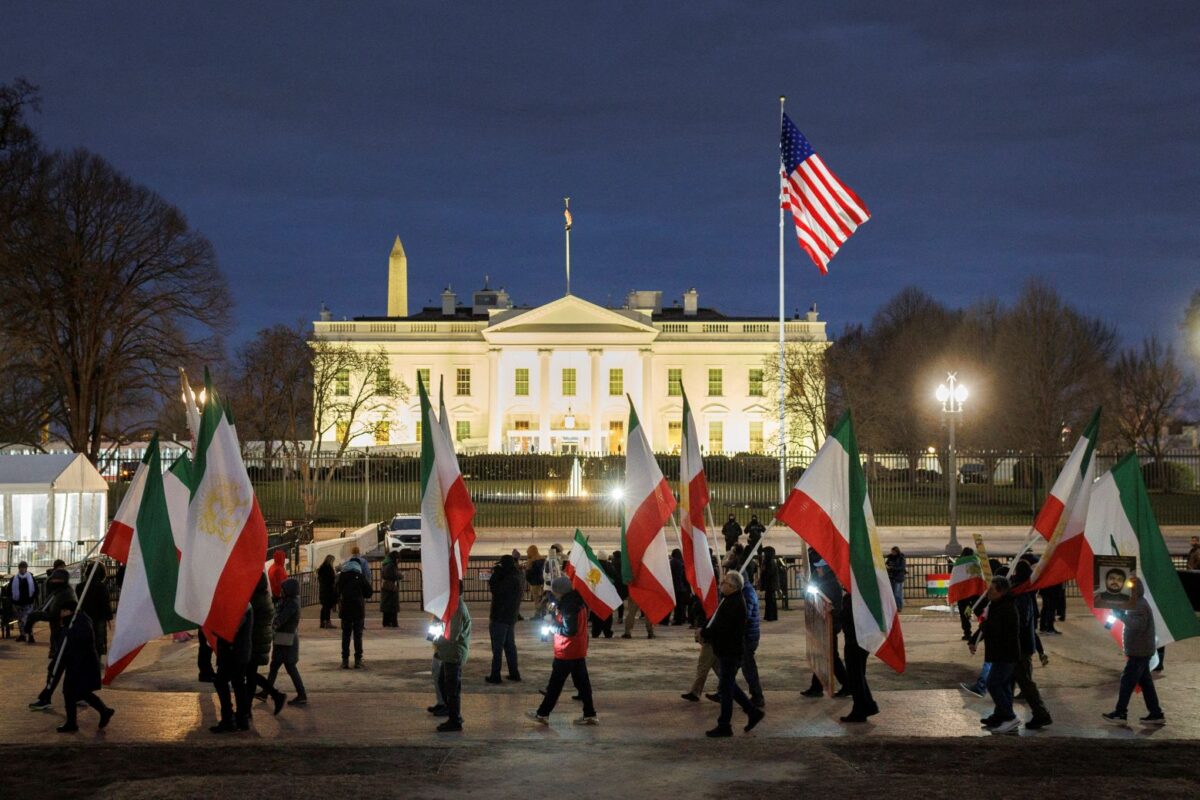
Iran has expressed willingness to meet with U.S. representatives, potentially paving the way for renewed diplomatic negotiations. Iranian Foreign Minister Abbas Araghchi is scheduled to speak with U.S. Special Envoy for the Middle East Steve Witkoff in the coming days, though the American administration has not yet confirmed the meeting. On Sunday, President Donald Trump stated that talks with Tehran are ongoing.
The U.S. has deployed its military assets to the Middle East in preparation for a potential attack on the Iranian regime, after Tehran has violently repressed protests. The Iranian government announced major military drills in the Strait of Hormuz, which, however, have been postponed due to U.S. warnings.
Amid ongoing discussions, hopes are rising for a peaceful resolution. Araghchi said that he was not concerned about a potential American strike, but warned that his country had lost trust in the Americans as dealmakers. Iranian President Masoud Pezeshkian expressed his wish to solve the dispute diplomatically — and signaled an openness to discuss with the U.S. about his country’s atomic program. As Washington and Tehran take steps toward a diplomatic resolution, the oil price has already dropped.
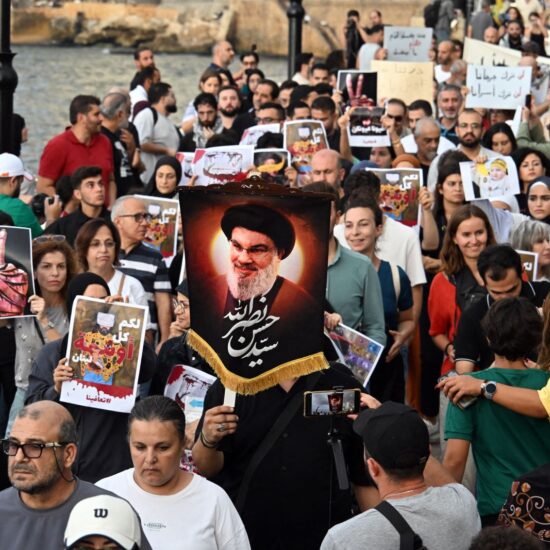
Last week, Hezbollah underlined its support for its ally, the Iranian regime. The Lebanon-based group interprets the ongoing escalations between its primary backer and the U.S. as a threat against itself. Hezbollah’s General Secretary Sheikh Naim Qassem said that his militia would react firmly in case of an American or Israeli attack on Iran.
In Lebanon
President Joseph Aoun is visiting Spain for two days: On Sunday, Aoun left Beirut to fly to the Spanish capital Madrid, where he is scheduled to meet Spanish Prime Minister Pedro Sánchez as well as King Felipe VI. Foreign Minister Youssef Rajji is joining Aoun on the President’s first visit to the country. The countries will focus on bilateral relations, regional and international dynamics. Spain has been supporting the UN peacekeeping mission UNIFIL in Southern Lebanon for years — and recently criticized Israeli attacks against the organization. Madrid also demands the compliance of Security Council Resolution 1701 and has been increasingly critical of Israeli actions.
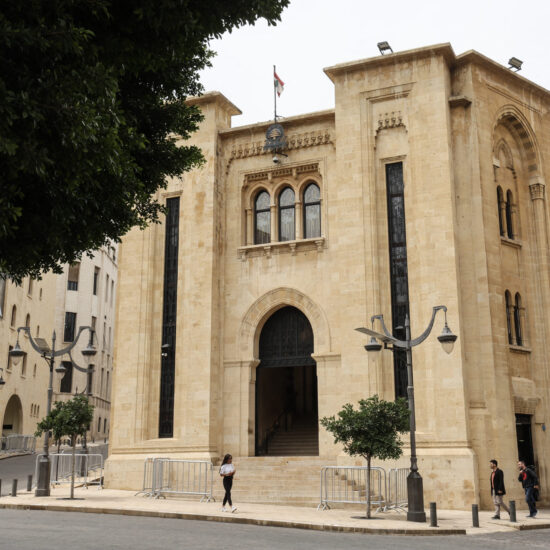
The budget moves through parliament. Last week, the Lebanese parliament approved the budget proposal for the country. Ahead of the agreement, public servants, teachers and retired military personnel were protesting for higher salaries and improved pensions in front of the parliamentary building. In recent weeks, Lebanon’s finances became an essential bargaining chip for Speaker of Parliament Nabih Berri to delay the proposal of the expat vote. However, the budget passed with a narrow majority and the strategic support of Hezbollah and Amal. With this year’s budget having passed, parliament can now move to discuss the modalities of the upcoming May elections — which continue to be a source of contention between the political parties.
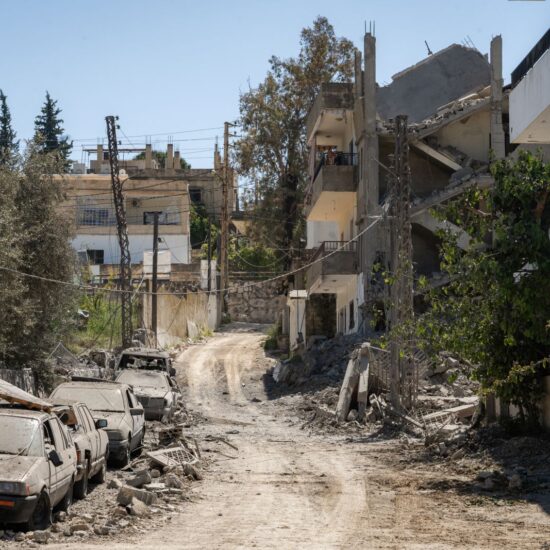
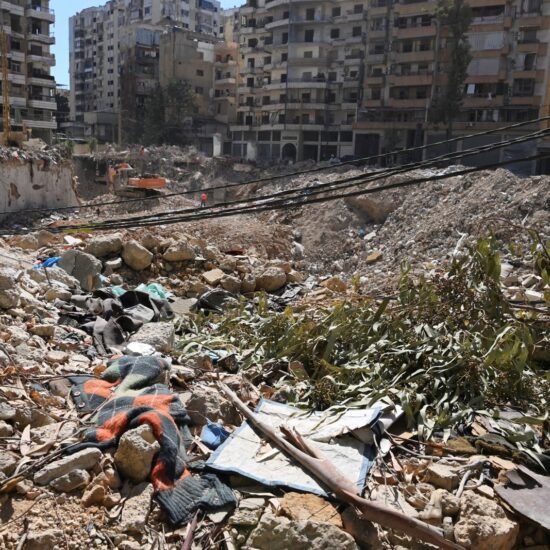
Israeli attacks in Southern Lebanon continued over the weekend. Two Hezbollah members, Ali Daoud Omais and Ahmad Faqih, were killed in Israeli drone strikes. Several houses were damaged, and civilians — including a six-year-old girl and two teenagers — were injured. In the Northern Bekaa region, a Hezbollah-affiliated person managed to flee during a Lebanese army raid. More than a year after the ceasefire between Israel and Lebanon, more than 64,000 Lebanese remain displaced.
In The Region
U.S. special envoy to Iraq, Mark Savaya, no longer in office: The American-Iraqi citizen was first appointed for the role in October last year by American President Donald Trump. Washington has recently been very critical of a potential new appointment of former Iraqi Prime Minister Nouri al-Maliki, as the American administration wants to curb Iran’s influence in Iraq. When Iraq’s largest parliamentary block backed al-Maliki for another term in office last week, this sparked unrest within the American administration. According to international media reports, Savaya no longer holds his job, as he failed to prevent the renomination of al-Maliki.
Rafah border crossing partly opening again: The border between the Gaza Strip and Egypt is reopening moderately, after it was largely closed since May 2024. It serves as the only border from which about 20,000 sick and injured inhabitants can flee the territory. In coordination with Egypt and the EU, Israel now wants to allow Palestinians to leave Gaza by foot only. Cairo and Amman continue to underline that the border opening should not be misused to displace Palestinians. Aid deliveries are still not allowed to enter Gaza through Rafah, depriving the war-torn country of essential food, medical and housing supplies.
Syria arrests Hezbollah-linked group involved in Mezzeh airport attacks. Shells used in a rocket attack on the military airport in December have links to Iranian-backed Hezbollah, the Syrian interior ministry claims. The entire group connected to the attack was arrested over the weekend.
What We’re Reading
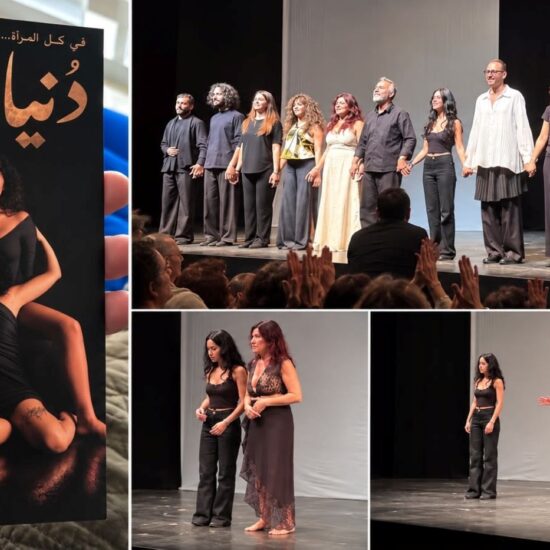
“Lokman Slim Five Years of Impunity.” A new photo exhibition in Beirut opened, focusing on political assassinations since 2005—including the fifth anniversary of the assassination of Lebanese intellectual and activist Lokman Slim. NOW’s author Rodayna Raydan interviewed Slim’s widow, Monica Borgmann, as well as the journalist and curator of the exhibition, Katia Jarjoura, about memory as a political act, the enduring impact of unresolved political violence on families and society, and the struggle to confront Lebanon’s entrenched culture of impunity through collective remembrance and demands for justice.
“Trump’s World: Why Hitting Iran Without a “Day After” Plan Would Strengthen the Regime.” Ramzi Abou Ismail argues that a potential American strike against Iran would likely fail to weaken the regime. Foreign intervention could suppress internal dissent and provide the government with a narrative to reframe domestic failures as foreign aggression. He thinks that external pressure alone does not lead to regime transformation and must be paired with a clear political strategy and post-conflict plan to produce change.
“Voices from the Darkness: Shock, Anger, and Iranian Protesters’ Calls for Foreign Assistance”. Through firsthand testimonies from citizens in Tehran, Shiraz, and smaller towns, Armin Soleimani describes how Iranians experienced the nationwide internet shutdown and documents the aftermath of the protests, which were violently suppressed by the regime. According to his sources, live ammunition was used against unarmed demonstrators. The author also examines the extreme risks taken by individuals who used banned Starlink connections to transmit evidence of the crackdown to the outside world.
Laura is a German journalist. She has previously worked in Brussels and Berlin for POLITICO Europe.
The views in this story reflect those of the author alone and do not necessarily reflect the beliefs of NOW