BEIRUT — As Israel and the U.S. launched what they described as a preemptive strike on Iran Saturday, Lebanese leaders rushed to contain the fallout — diplomatically, rhetorically and militarily.
President Joseph Aoun called for “maximum readiness” and coordination across state institutions. Prime Minister Nawaf Salam warned that Lebanon would not accept being dragged into “adventures.” Foreign Minister Youssef Rajji repeated the word “neutrality” three times in a single post.
The message: Lebanon does not want this war.
The problem: It may not get a choice.
Why it matters
Lebanon sits on the front line of the Iran-Israel shadow war — not because of geography alone, but because of Hezbollah.
Hezbollah is not merely a Lebanese political party. It is the most powerful non-state armed actor in the region and a central pillar of Iran’s so-called “Axis of Resistance.” Its arsenal, command structure, and strategic doctrine are deeply integrated with Tehran’s regional posture.
When Israel escalates with Iran, Lebanon becomes a pressure point — whether Beirut likes it or not.
What happened
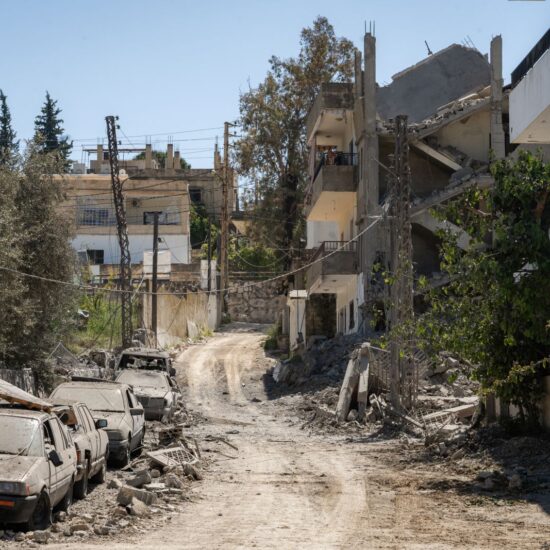
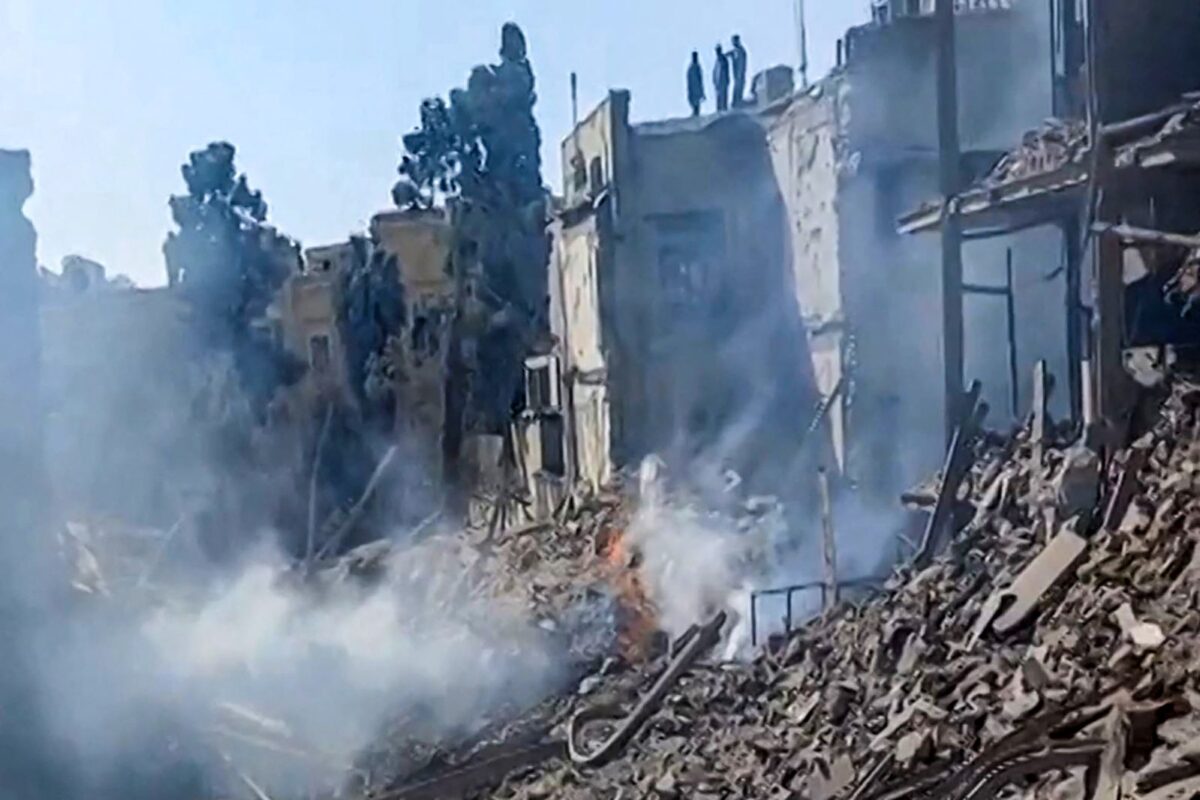
- Israeli warplanes struck multiple areas in southern and eastern Lebanon Saturday morning.
- Local reports indicated at least eight strikes targeting areas near Qatrani (Western Bekaa), Wadi Barghaz and the Sajd heights.
- Smoke was seen rising from locations reportedly associated with Hezbollah infrastructure.
Israeli officials framed the action as part of broader regional escalation.
Lebanese officials framed it as a warning sign.
Between rhetoric and reality
President Aoun emphasized “the supreme national interest.”
Salam appealed for wisdom.
Rajji repeated “neutrality.”
But neutrality requires two conditions:
- A sovereign state monopoly on force.
- The absence of external military entanglement.
Lebanon currently has neither.
Hezbollah’s weapons remain outside full state control. Its strategic decisions are not subordinated to the Lebanese cabinet. Its regional commitments — from Syria to Iraq to Yemen — have tied Lebanon’s security environment to Iran’s broader confrontation with Israel and the U.S.
In practice, that means:
- Lebanon’s border can ignite regardless of government policy.
- Israeli deterrence calculations include Lebanese territory.
- Washington views Hezbollah activity through the lens of its Iran strategy.
No presidential statement can override that reality.
The big picture
Lebanon’s leadership is trying to do two things simultaneously:
- Signal restraint to Israel and the U.S.
- Avoid direct confrontation with Hezbollah domestically.
This balancing act has defined Lebanese crisis management for years. But it becomes increasingly fragile during moments of regional escalation.
If Hezbollah retaliates in support of Iran — even symbolically — Israel is unlikely to compartmentalize its response.
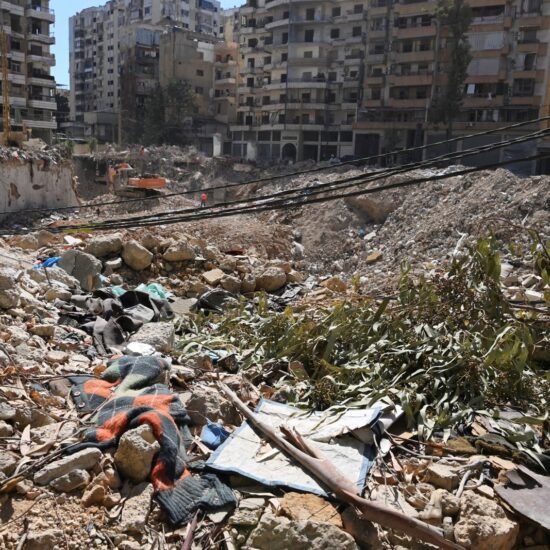
And if Israel expands strikes preemptively to degrade Hezbollah capabilities, Lebanese infrastructure may again become collateral.
What’s at stake
Lebanon’s economy remains fragile after years of collapse. Its banking system is hollowed out. Reconstruction capacity is limited. Public fatigue is deep.
The United Nations’ special coordinator warned Saturday that “Lebanon cannot afford another crisis.”
That is likely true.
But Lebanon’s exposure is structural, not rhetorical.
As long as Hezbollah operates as part of Iran’s regional military architecture, Lebanon will be perceived — by Israel, Washington and Tehran alike — as part of the battlefield ecosystem.
Neutrality cannot be declared. It must be enforced.
Bottom line
Lebanon’s leaders are right to stress protection of sovereignty and stability.
But rhetoric alone will not shield the country.
If escalation between Israel and Iran deepens, Lebanon will not be spared simply because Beirut says it wants neutrality. The decisive variable is not presidential messaging — it is whether the Lebanese state controls the decision of war and peace.
Until that question is resolved, Lebanon remains exposed
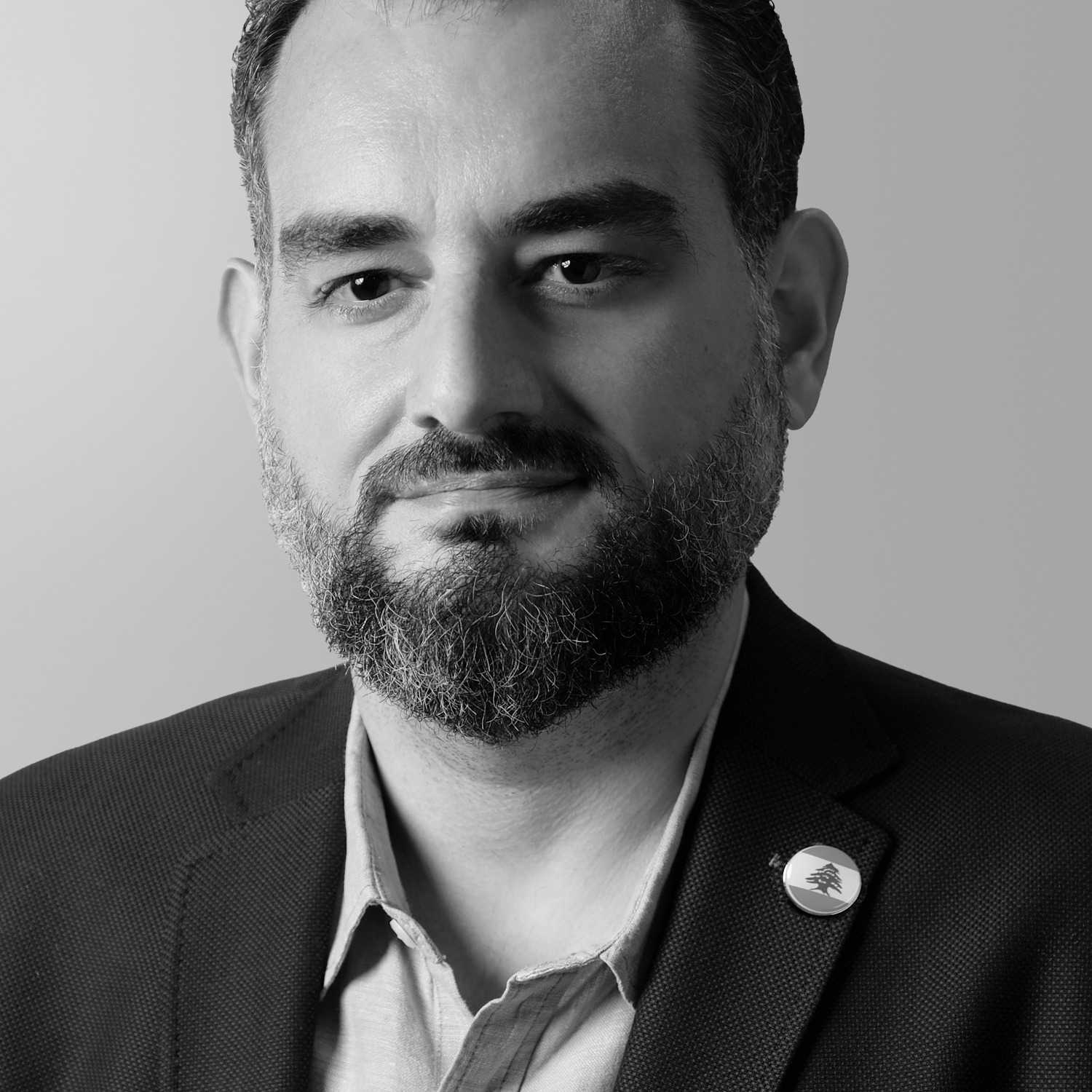
Makram Rabah is the managing editor at Now Lebanon and an Assistant Professor at the American University of Beirut, Department of History. His book Conflict on Mount Lebanon: The Druze, the Maronites and Collective Memory (Edinburgh University Press) covers collective identities and the Lebanese Civil War. He tweets at @makramrabah