Lebanon is not in a civil war. Not yet.
But for the first time in years, it is no longer protected from the possibility of one.
This distinction matters. Because Lebanon has survived not through stability, but through avoidance, a delicate system built on ambiguity, denial, and the continuous postponement of confrontation. What we are witnessing today is not the collapse of that system, but something perhaps more dangerous: its gradual erosion under pressure.
The current war has done what internal politics has long failed to do; it has forced clarity.
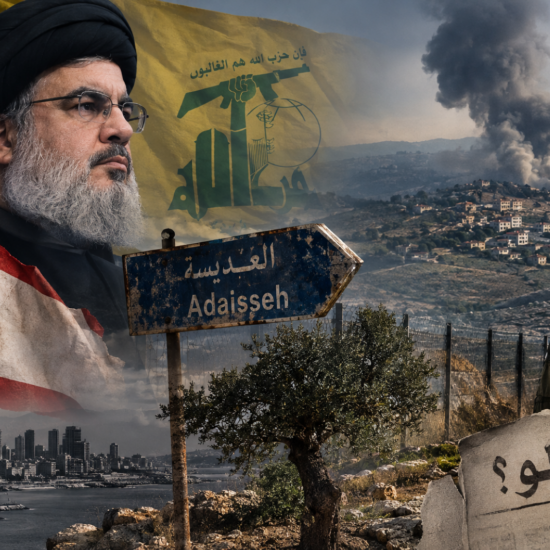
For years, Lebanon has operated under a carefully sustained contradiction: a state that claims sovereignty, and an armed actor that operates beyond it. This contradiction was manageable as long as it remained abstract, negotiated, and, most importantly, untested. Today, it is none of those things.
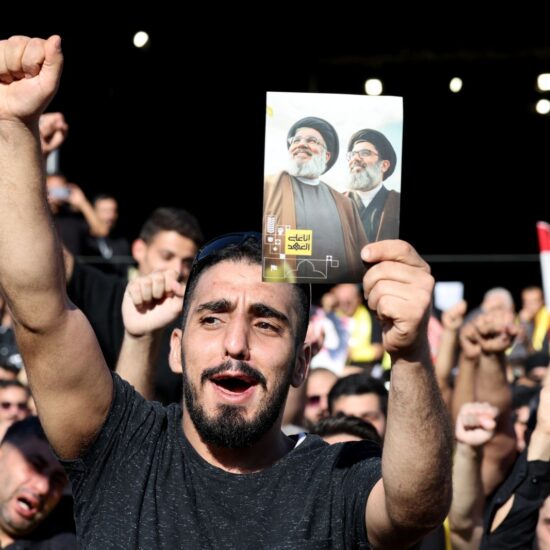
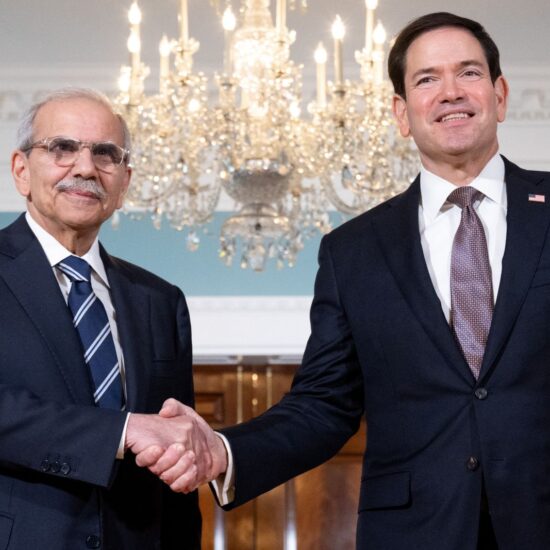
When the Lebanese state expels Iran’s ambassador, it is not merely a diplomatic gesture. It is a symbolic assertion of sovereignty, an attempt, however limited, to draw a line. When Hezbollah continues to engage in a regional war aligned with Iran, it is not merely resistance. It is a competing claim to authority.
This is no longer ambiguity. This is contradiction in motion.
And contradiction, under conditions of war, becomes unstable.
War does not just destroy infrastructure. It destroys ambiguity. It forces actors to take positions, to clarify loyalties, to define enemies and allies in ways that domestic systems like Lebanon’s are structurally unequipped to absorb. The very mechanisms that have historically prevented internal conflict, power-sharing, strategic silence, and the avoidance of decisive questions, begin to break down under the weight of external pressure.
But we must be precise. The presence of tension does not mean the inevitability of conflict.
Lebanon is not on the brink of civil war because the essential ingredients of such a conflict are still missing. There is no mass sectarian mobilization. There are no militias forming in the streets. There is no widespread civilian readiness to translate political disagreement into violence. The memory of the civil war still functions, for now, as a restraint.
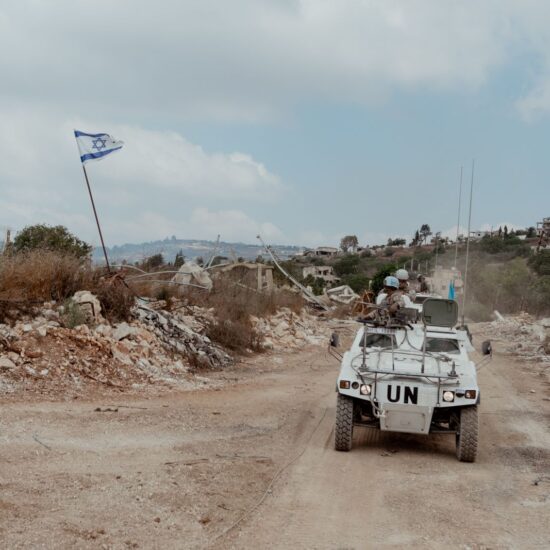
More importantly, no major actor currently wants internal confrontation. Hezbollah cannot afford to fragment internally while engaged in an external war. The Lebanese state, even if it wished to assert full sovereignty, lacks the capacity to do so by force. What exists, then, is not a march toward conflict, but a tense equilibrium, one where both sides push, but neither crosses the threshold.
This is precisely what makes the current moment dangerous.
Lebanon is entering a phase best described as pre-conflict tension, a condition where the structural foundations of stability are weakening, but the triggers of conflict have not yet been activated. It is a phase defined not by violence, but by the increasing plausibility of violence.
In such contexts, escalation rarely comes from decisions. It comes from events.
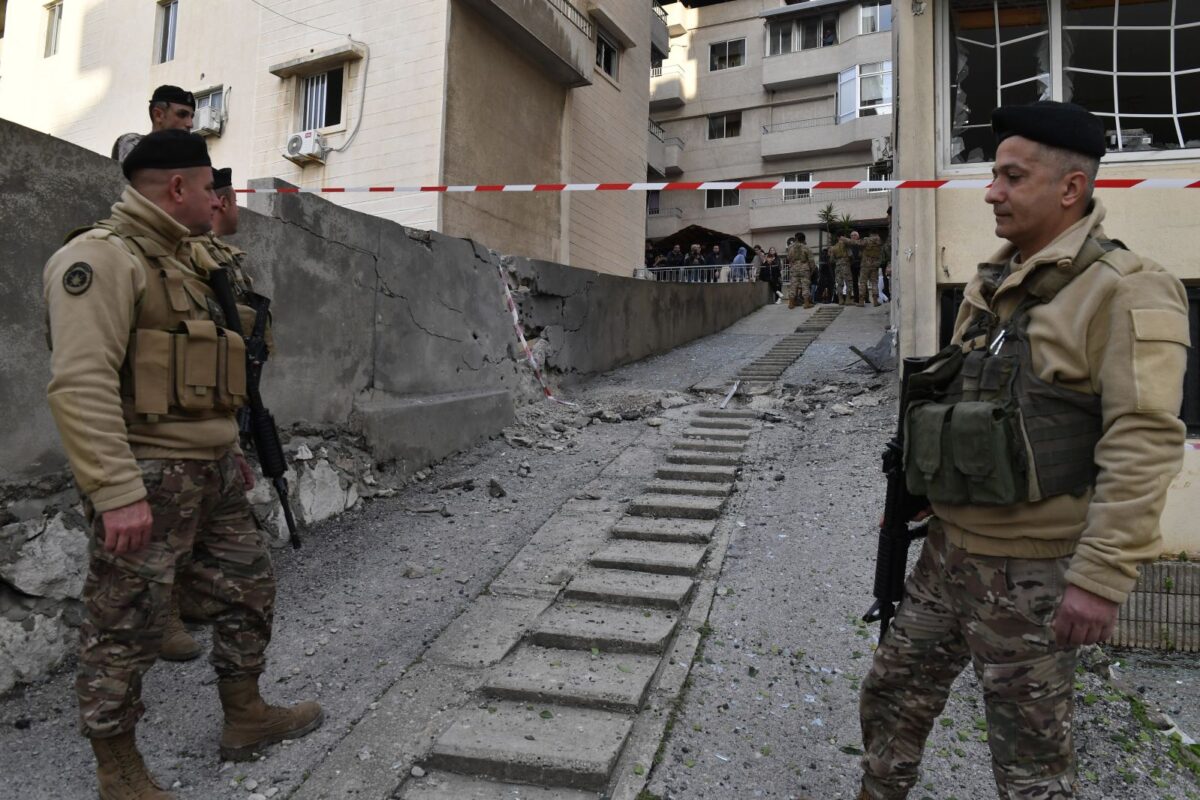
A confrontation at a checkpoint. A miscalculation in the south. A moment where political signaling is misread as operational intent. Lebanon’s history does not move from stability to war through formal declarations. It slips into it through accumulation, misinterpretation, and the gradual normalization of risk.
What we are witnessing today is the normalization of risk. The idea of internal conflict in Lebanon, once unthinkable, is now discussable. And what becomes discussable, over time, becomes possible. This does not mean that Lebanon is destined for another civil war. It means that the psychological and structural barriers that once made such a scenario inconceivable are beginning to weaken.
And that, in itself, is a turning point. Lebanon is not at war with itself. But it is no longer safely distant from one.
Ramzi Abou Ismail is a Political Psychologist and Senior Research Fellow at the Institute for Social Justice and Conflict Resolution at the Lebanese American University.
The views in this story reflect those of the author alone and do not necessarily reflect the beliefs of NOW.