Why it matters:
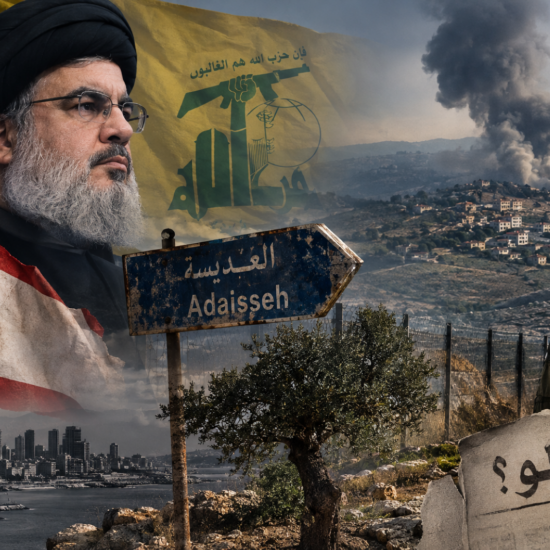
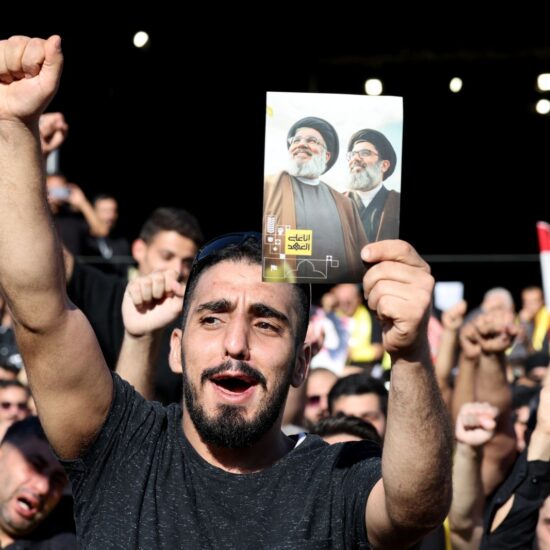
For years, Hezbollah and its defenders have sold the Lebanese public a fantasy: that the group’s weapons are the country’s last line of defense, that Iran’s patronage is a strategic asset, and that permanent confrontation with Israel is somehow safer than diplomacy. The opening of direct talks shatters that illusion. It reveals something many Lebanese already know but too few officials have dared to say clearly: Lebanon stands a better chance with negotiation, international guarantees, and the authority of the state than it ever did as an expendable front in Iran’s regional project.
What happened:
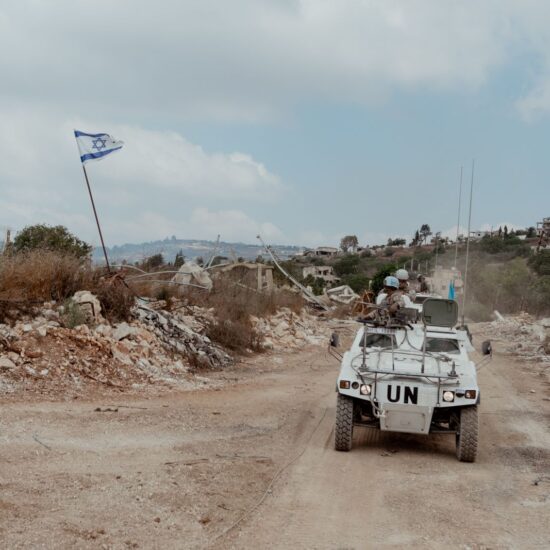
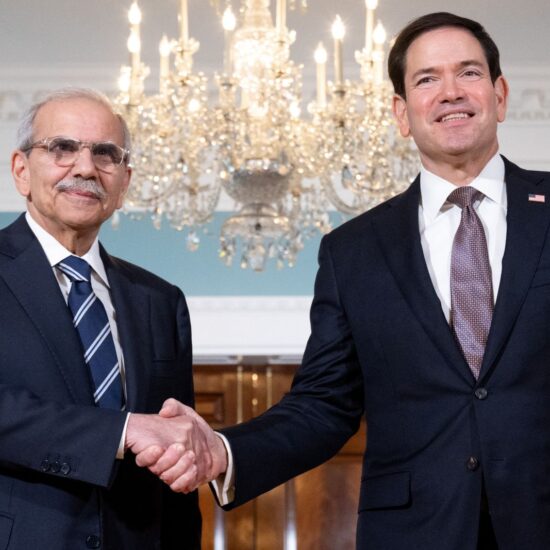
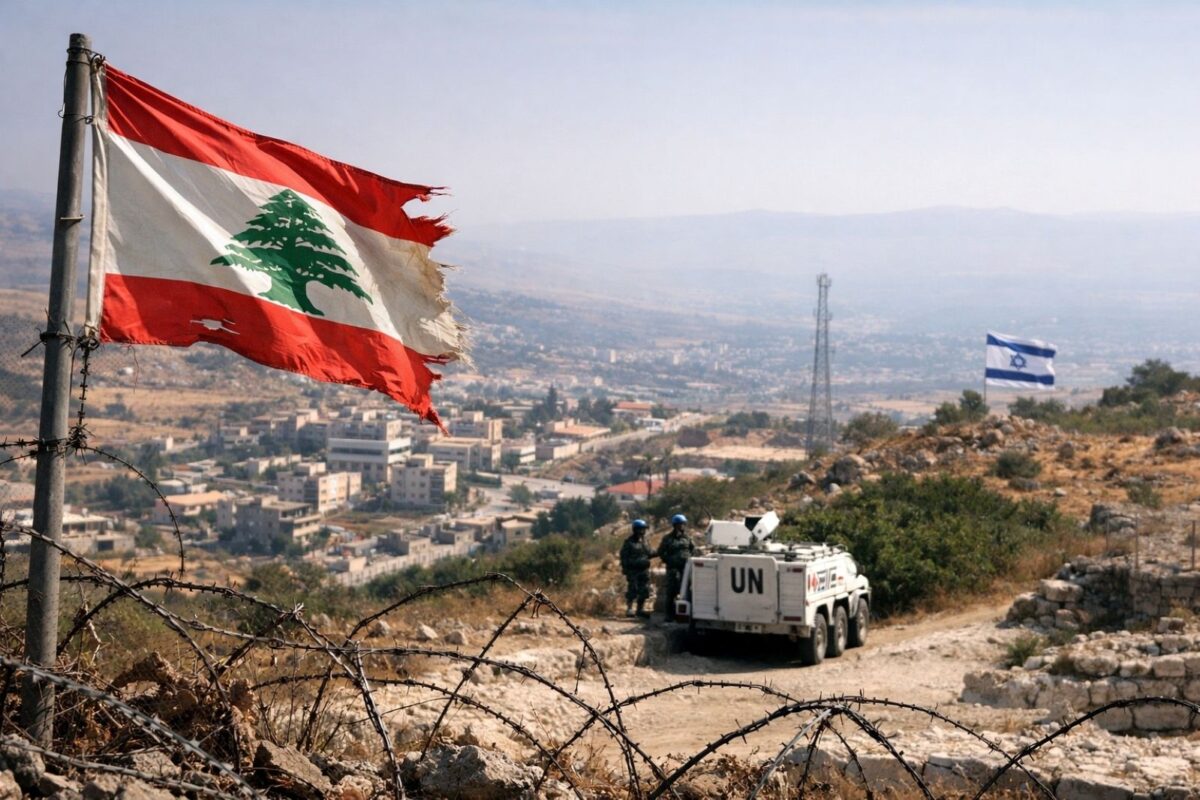
According to reports from Washington, direct negotiations between Lebanon and Israel are expected to begin next week in the U.S. capital. The Israeli side is reportedly to be represented by its ambassador in Washington, while Lebanon is expected to be represented by its ambassador to the United States. On the American side, Ambassador Michel Issa appears to be the central channel managing the file, especially as other familiar figures who once handled Lebanon have faded from view. At the same time, the message coming from Israel and Washington is blunt: diplomacy may be opening, but Israel intends to preserve freedom of military action as long as it believes Hezbollah remains a threat.
The big picture:
This is precisely why the talks matter. Not because they instantly end the war. Not because they guarantee calm. And certainly not because Israel has suddenly become benevolent. They matter because they expose the bankruptcy of Hezbollah’s doctrine.
The party’s core argument has always been that its arms deter war. But Lebanon today offers the exact opposite lesson. Hezbollah’s weapons have not protected Beirut, the south, or the suburbs. They have not shielded civilians. They have not created sovereignty. They have not imposed rules of engagement that spare Lebanon from destruction. Instead, they have ensured that every Lebanese home, neighborhood, and road remains hostage to a military calculus made outside the state.
This is the central obscenity of the so-called resistance model. It does not defend Lebanon. It uses Lebanon.
The IRGC does not see Lebanon as a republic with citizens, rights, and institutions. It sees Lebanon as a platform: a storage site, a launchpad, a pressure card, and a human shield. Hezbollah’s weapons are not a national defense strategy. They are the mechanism through which the country has been stripped of one.
What they’re really saying:
The opening of talks is also politically significant because it places the Lebanese state, however weak, back at the table. That alone is a profound rebuke to the entire mythology of parallel arms. If war and peace are discussed by diplomats, ambassadors, and governments, then the claim that Lebanon needs a party militia to “manage” its conflict collapses under its own weight.
This is what Hezbollah fears most: not an Israeli strike, but a Lebanese political moment in which the state begins to reclaim the file from the militia.
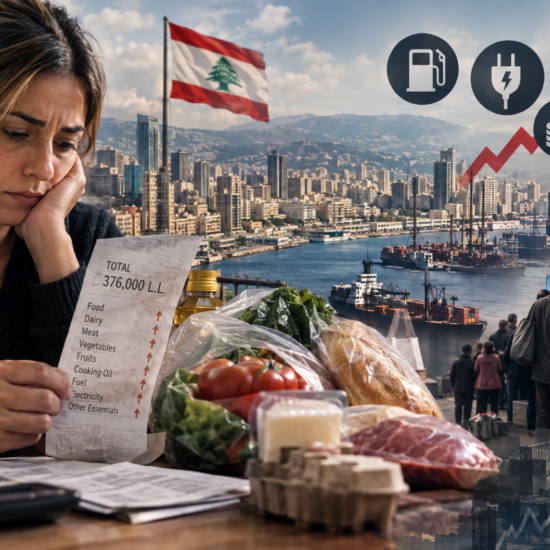
Because once Lebanon starts operating like a state, the questions become unavoidable. Who decides war? Who negotiates borders? Who guarantees security? Who speaks for the country? And why should any armed group retain an arsenal that has brought ruin, displacement, assassination, isolation, and economic collapse while claiming to offer protection?
Between the lines:
The defenders of Hezbollah will insist that talks are surrender. They will say diplomacy is normalization, that negotiations are betrayal, and that only arms preserve dignity. But this argument has long expired.
What dignity is left in a country permanently exposed to devastation because an Iranian-backed organization insists on monopolizing strategic decisions? What sovereignty survives when the state cannot control its own territory, its own diplomacy, or its own security doctrine? What exactly have these weapons delivered except funerals, fear, and the constant possibility that Lebanon will be incinerated for a conflict that is not truly its own?
Peace is not capitulation. In Lebanon’s case, peace is the first serious chance at national self-defense.
The bottom line:
Lebanon does not have to love Israel to understand a basic truth: it has a better fighting chance through diplomacy than through permanent service as Iran’s frontline bunker.
That is the real significance of these talks. They are not just a diplomatic development. They are an ideological test. Either Lebanon moves, however imperfectly, toward statehood, negotiations, and sovereign decision-making — or it remains what Hezbollah and the IRGC have made it: a country of hostages told to call their captivity protection.