
From a Five Guys lookalike in Jbeil to a McDonald’s double born out of boycott, near-identical American fast-food concepts are multiplying across Lebanon — each for very different reasons.
At first glance, it looks like an imitation. Look closer, and it starts to resemble something else entirely — a strategy shaped by absence, politics and persistence in Lebanon’s food economy. Across the country, American fast-food chains that never officially arrived, quietly left or no longer feel acceptable are resurfacing under different names, carrying familiar menus, formats, and rituals with them.
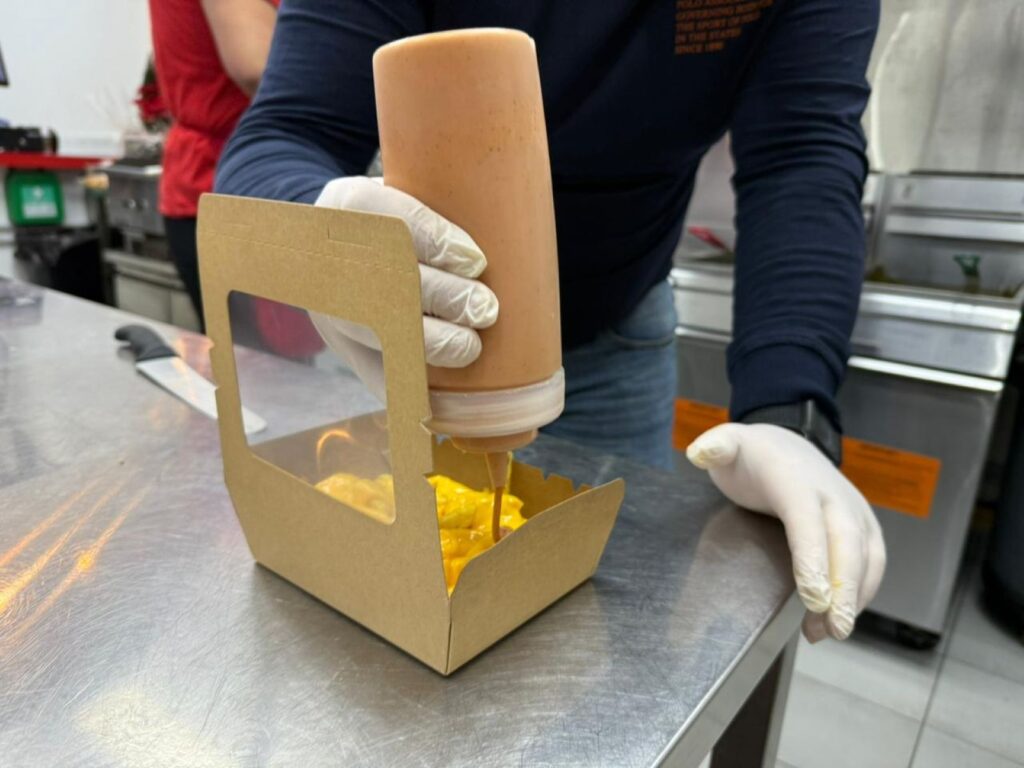
In Jbeil, Four Guys mirrors the experience of Five Guys almost down to the foil wrap. In Beirut, WeMac recreates McDonald’s at the height of a global boycott. And at SuperBowl, customizable burrito bowls inevitably draw comparisons to Chipotle. At face value, the similarities are hard to ignore. But speak to the people behind these places, and a more layered story begins to take shape — one driven not by shortcuts, but by very different motivations.
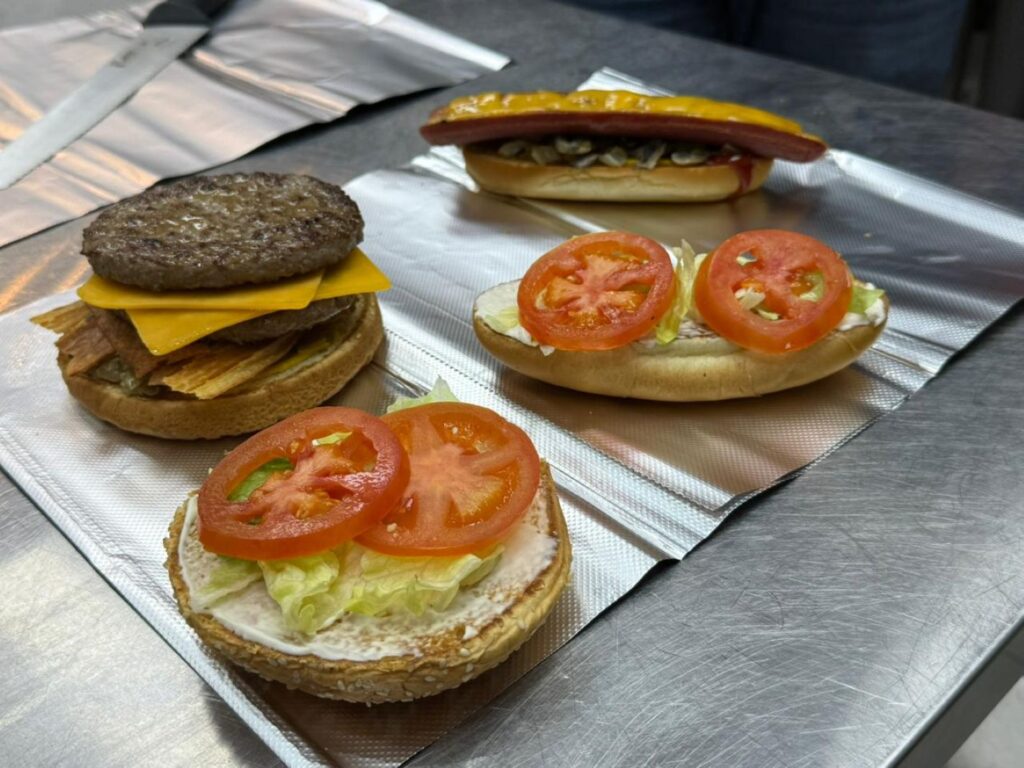
Photo: Rayanne Tawil, NOW
The copy that came from love
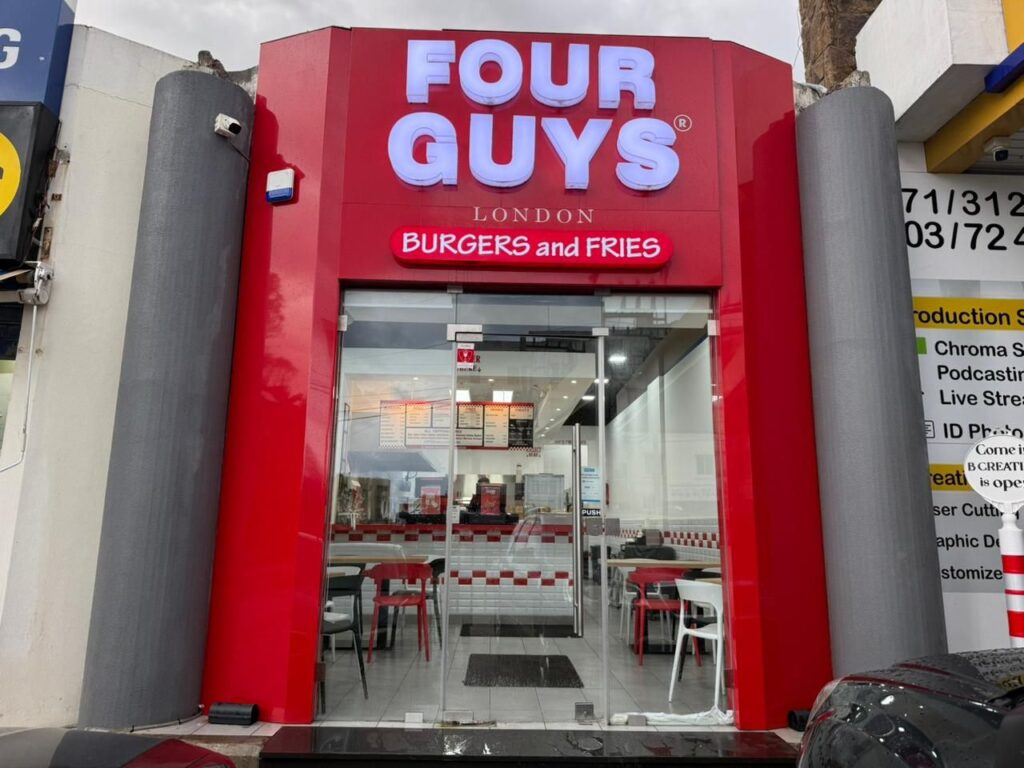
Photo: Rayanne Tawil, NOW
For George Nawfal, the owner of Four Guys, resemblance was never an accident — but it also wasn’t cynical. He worked at Five Guys in London, an experience he describes less like a job and more like joining a family. “I don’t think anyone goes to work happy,” he says, then pauses. “But I did, there it was different. They had nothing to hide. You learn everything.”
When he returned to Lebanon at the end of 2024, the idea was already formed. Five Guys had no franchise plans, not even a “slight chance,” as he puts it. So George decided to bring the experience himself, unchanged. “Identical,” he insists, when asked whether he localized the concept. Same taste, same operation, same simplicity. American products, American process.
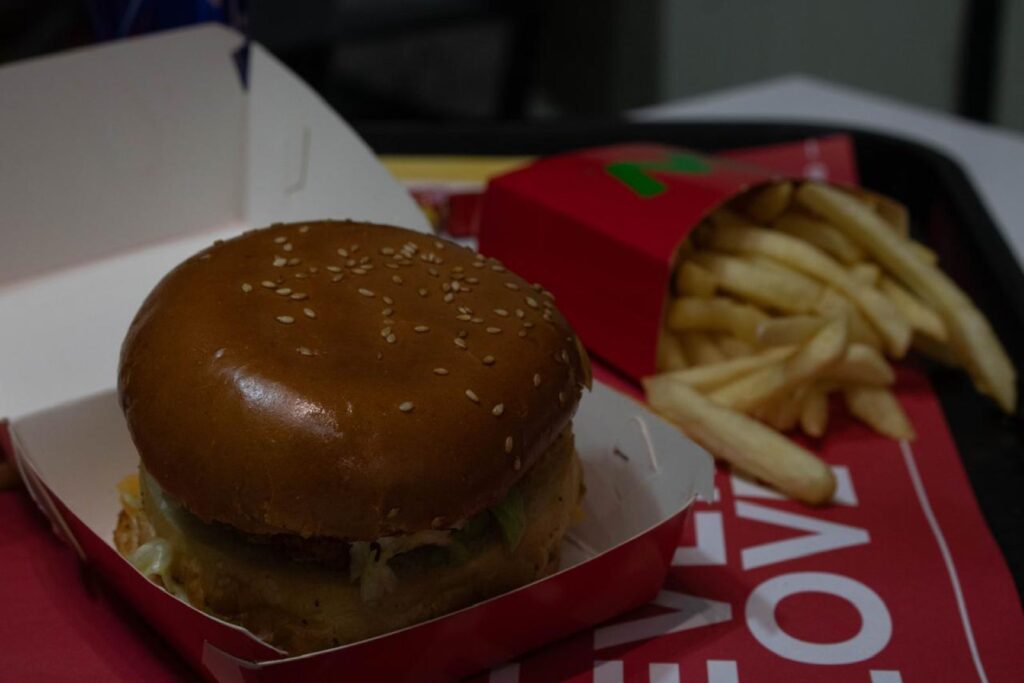
Photo: Nicholas Frakes, NOW
It wasn’t about competition, he explains, because there was no competition to begin with. “This thing doesn’t exist in Lebanon,” he says. “I want this experience to be present here.” Even the name was strategic. Open the same burgers under an unrelated brand, he believes, and no one would come. Familiarity, in this case, was the bridge.
Customers seem to agree. Many arrive already knowing what to expect, comparing it directly to the original. George doesn’t push back against that. “Four Guys is an experience,” he says simply. For him, the copy is an act of devotion — a way to recreate something he loved, almost exactly as he learned it.
The copy as a response
If Four Guys was born out of admiration, WeMac came out of resistance.
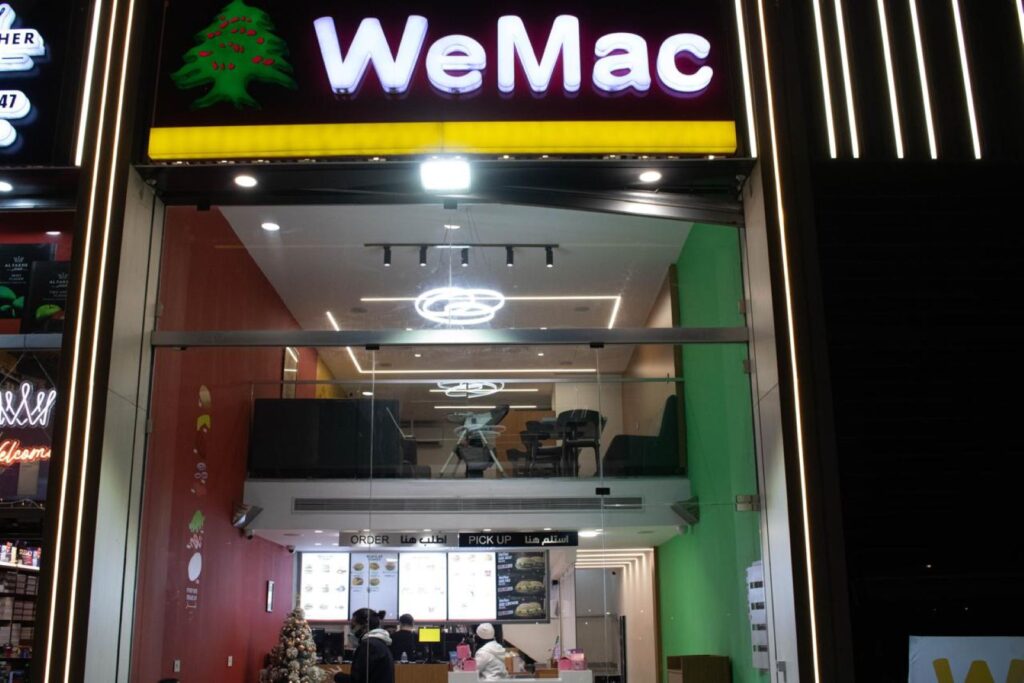
Photo: Nicholas Frakes, NOW
Ali, its founder, traces the idea directly to the war on Gaza and McDonald’s public associations during it. “We were harmed,” he says, repeatedly returning to the word. Not as one community or another, but “as Lebanese people.” From there, the concept became a statement: create a McDonald’s alternative that looks the same, tastes the same, costs the same — but is entirely local.
The similarities are deliberate. The logo echoes the golden arches, reworked in the colors of the Lebanese flag. The menu mirrors McDonald’s down to the pricing and combo offers. “We are the copy 100 percent,” Ali says openly.

Photo: Nicholas Frakes, NOW
And yet, beneath the surface, he insists on difference. “We have our own identity even our unique burgers that they dont have offering customers a new experience of american food style,” he explains. Everything is sourced locally. The burgers were developed through months of trials. Some items were briefly adapted to Lebanese tastes — mozzarella patties, garlic mayo — before he scaled back again to stay as close as possible to the original.
Customers, he says, arrive conflicted: drawn by nostalgia, politics, curiosity. Many still call it McDonald’s by mistake. Ali takes that as encouragement. “They order and say it’s delicious,” he says. “This is what makes you continue.”
For him, WeMac is both an alternative and an answer — a way to boycott without giving up a habit, and to redirect spending toward Lebanese producers. Competing with what he calls “the monster” of global food franchises is risky, but also, in his words, “a privilege.”
The copy that insists it isn’t one
SuperBowl’s owners are the most resistant to the label of knockoff — even as comparisons to Chipotle follow them everywhere. Yes, the format is similar: a fast line, customizable bowls, burritos built ingredient by ingredient. But Carl, one of the owners, is quick to draw boundaries.
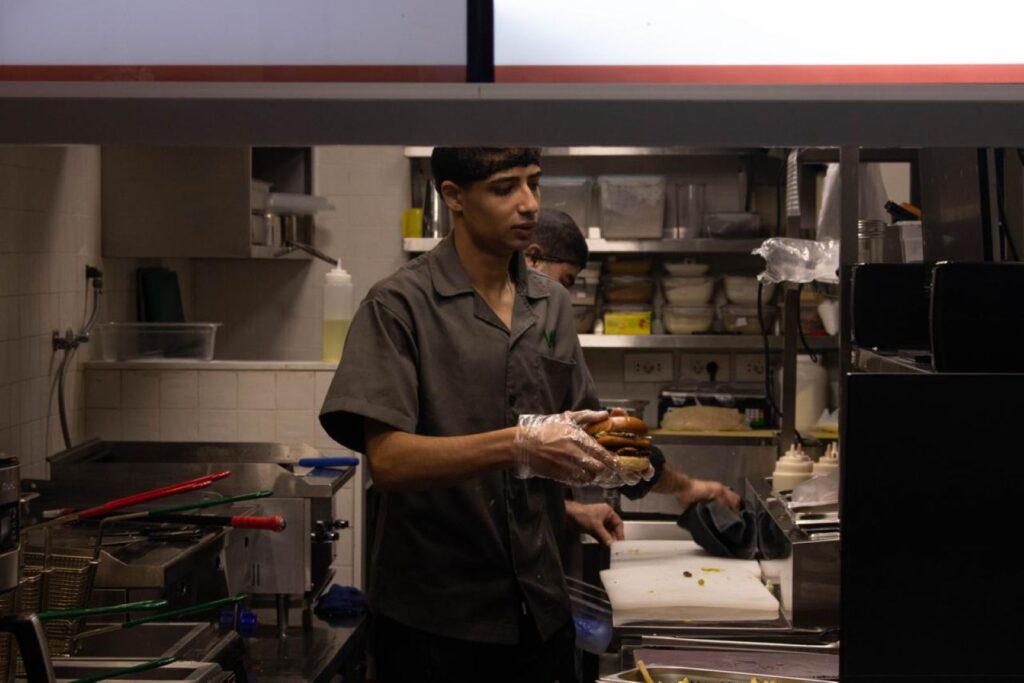
Photo: Nicholas Frakes, NOW
“We got inspired,” he says, “but we innovated upon what they started.”
His critique of Chipotle is detailed and unsparing: dry chicken, inconsistent seasoning, ingredients sitting too long. Super Bowl’s response was to upgrade everything — grilling proteins on demand, using chicken breast instead of drums, filet instead of faux filet, more toppings, bigger portions. Then came adaptation. Lebanese taste buds, he explains, demand sauces. They resist heat. They expect generosity.
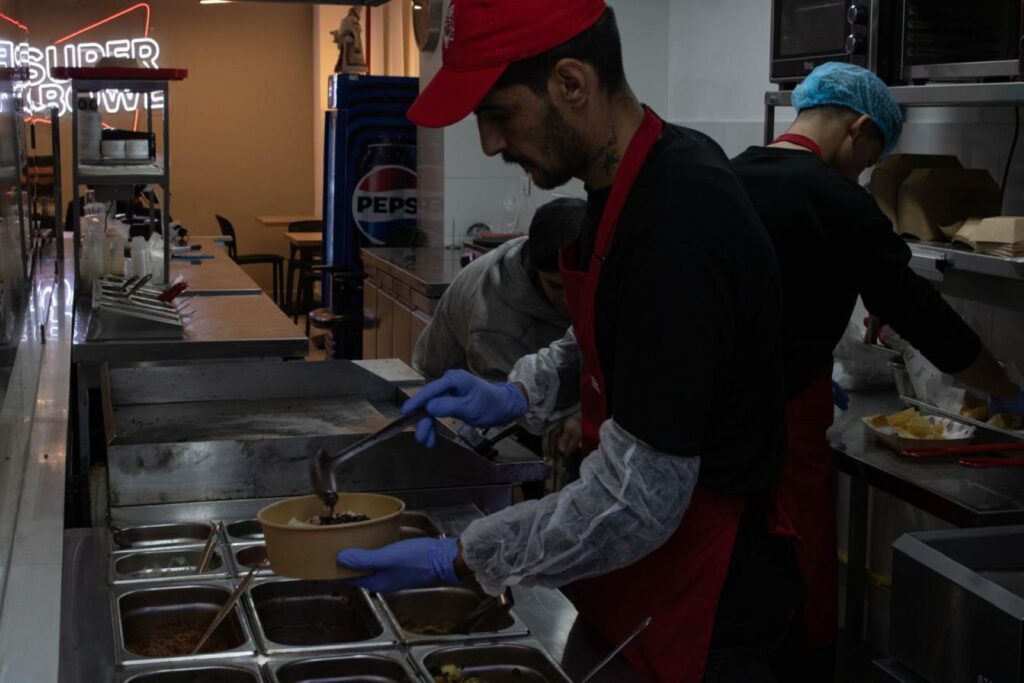
Photo: Nicholas Frakes, NOW
The result is a concept that borrows a structure but reshapes the substance. Carl describes it as fusion — Mexican, Lebanese and everything in between — run with what he calls “the good Lebanese way,” meaning hospitality without chaos.
Even the name came from wordplay rather than imitation. A bowl that’s “super,” inspired loosely by American pop culture, not a direct reference to food. The goal, he insists, was never to recreate Chipotle, but to fill a gap: affordable, customizable food that sits between greasy fast food and expensive “healthy” options.
Same form, different motives
What links these places isn’t just their resemblance to American chains, but the fact that each one answers a different absence. For George, it was the absence of a brand he loved and knew inside out. For Ali, it was the moral and emotional rupture left by a global chain he no longer wanted to support. For Super Bowl, it was a missing middle in Lebanon’s food market.
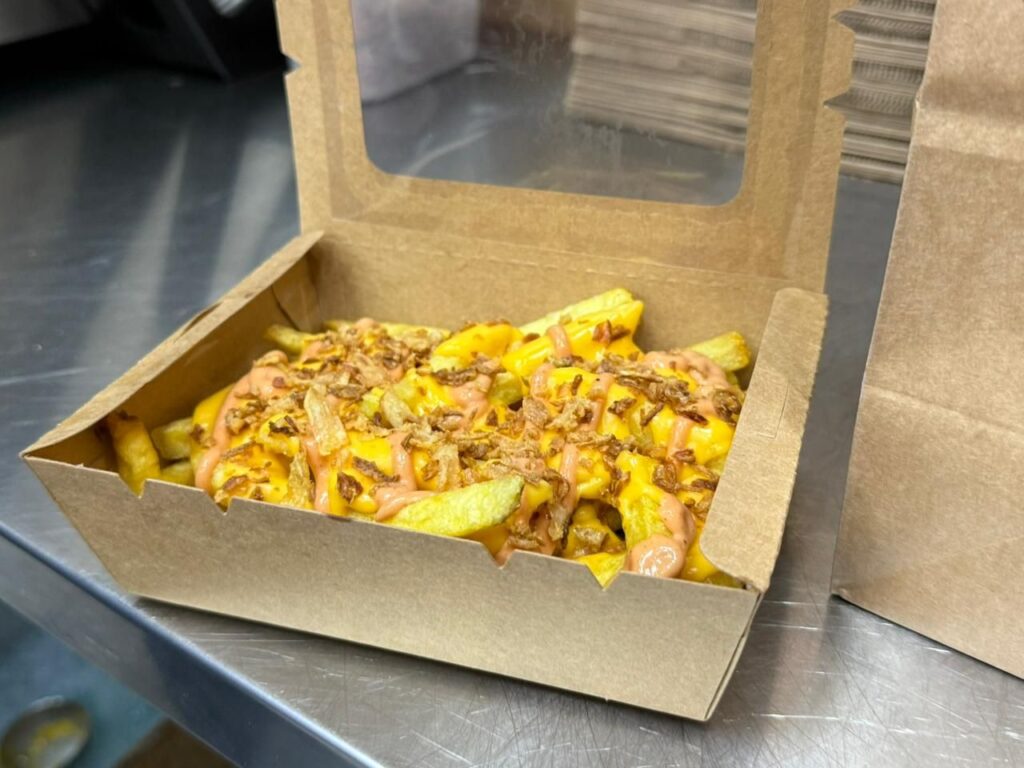
Photo: Rayanne Tawil, NOW
All three speak the language of passion more than profit. All three frame their projects as something done for Lebanese customers — whether that means access, conscience, or value. And all three exist because official versions never arrived, left, or no longer felt acceptable.
In a country where visas are hard, franchises are selective and crises reshape consumption overnight, imitation becomes less about copying and more about survival. These restaurants aren’t pretending to be American. They’re translating America — sometimes faithfully, sometimes critically — into a local reality that demands improvisation.
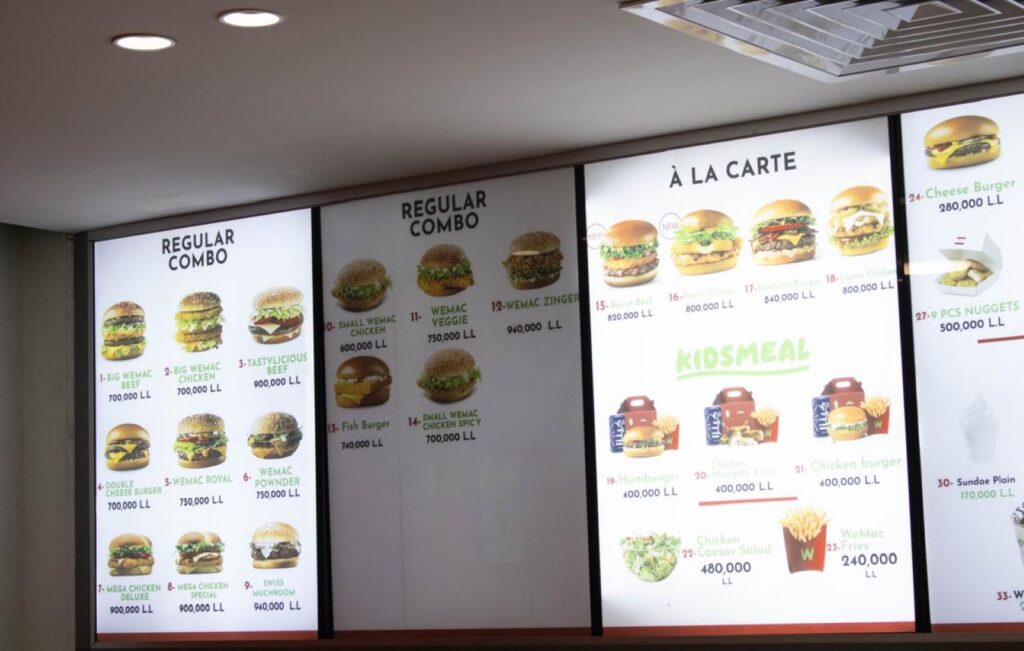
Photo: Nicholas Frakes, NOW
In the end, Four Guys, WeMac, and SuperBowl don’t tell one story, but three. Together, they sketch a portrait of a food scene that borrows openly, adapts unapologetically, and keeps moving — one familiar bite at a time. As Ali puts it, summing up a logic that extends far beyond one burger or one boycott: “If Lebanese people want to support me, I also have to support Lebanese people.”
The views in this story reflect those of the author alone and do not necessarily reflect the beliefs of NOW