Why it matters:
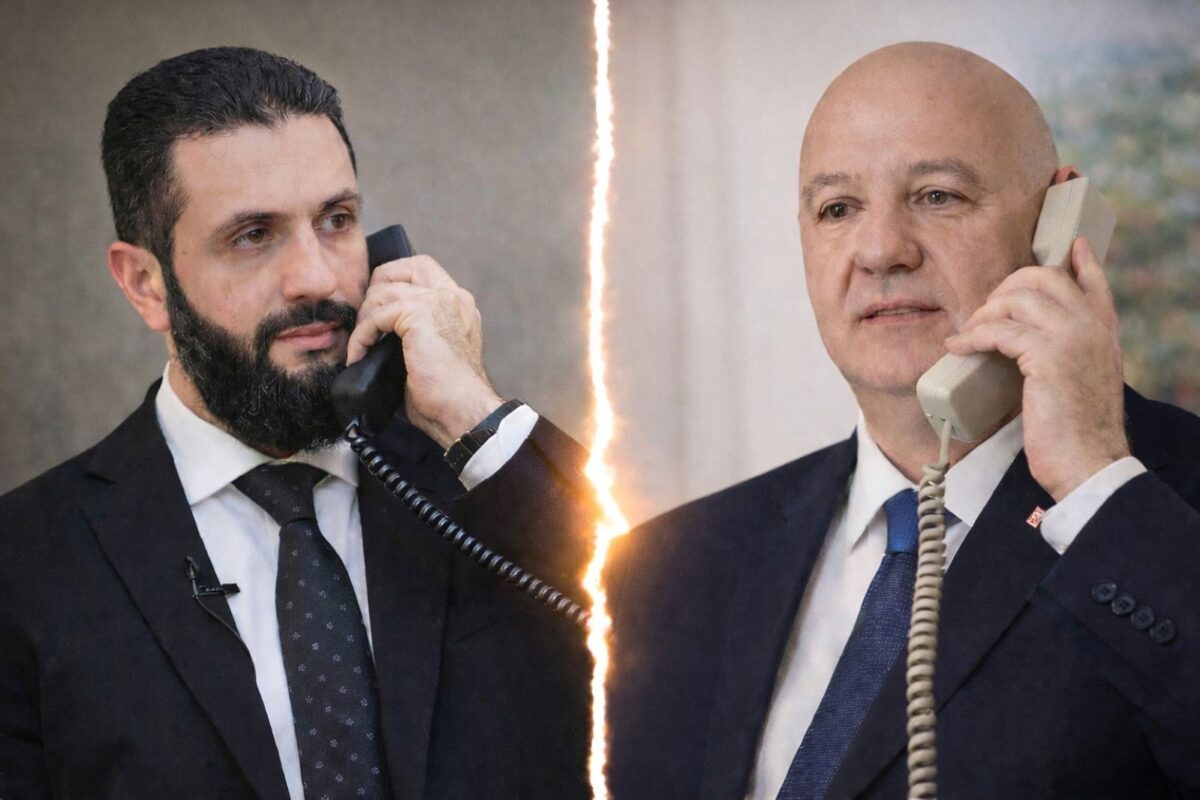
A phone call Monday between Lebanese President Joseph Aoun and Syrian President Ahmad al-Sharaa underscored a growing reality: Lebanon’s hesitation to normalize relations with Damascus is increasingly limiting Beirut’s ability to manage security, refugees, and Hezbollah’s arms along the Syrian border.
What happened:
The Lebanese presidency announced that Aoun received a call from Sharaa to discuss the latest regional developments.
Both leaders agreed that the current sensitive moment requires stronger coordination and consultation between Lebanon and Syria.
The discussion focused particularly on the need to control the shared border and prevent any security breaches from any side.
Between the lines:
The call highlights the strategic gap created by Lebanon’s slow and cautious approach to re-engaging Damascus after the political transition in Syria.
Without structured bilateral cooperation, Lebanon faces serious limitations in addressing cross-border challenges.
The big picture:
Failure to quickly normalize relations with Syria is affecting Lebanon in three key areas:
Border security:
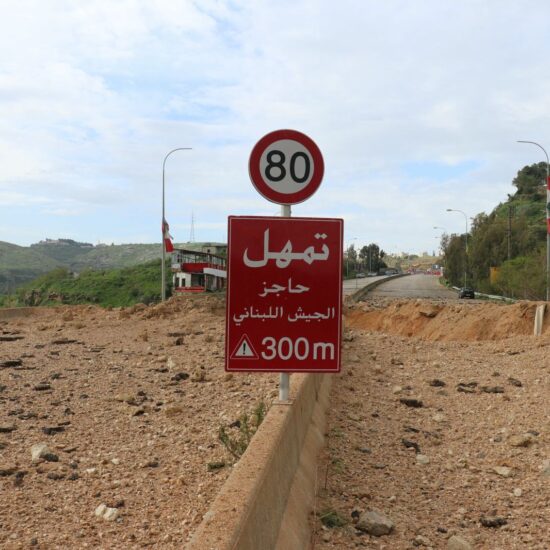
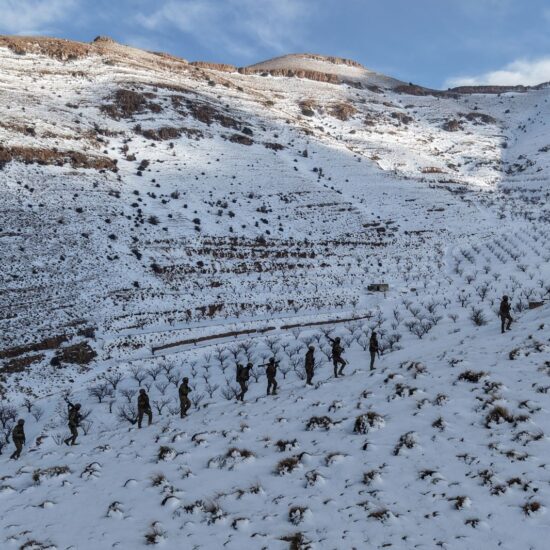
The 375-km Lebanese–Syrian frontier remains porous, enabling smuggling networks and armed groups to move across it. Effective policing requires coordination with Syrian authorities.
Hezbollah’s logistical routes:
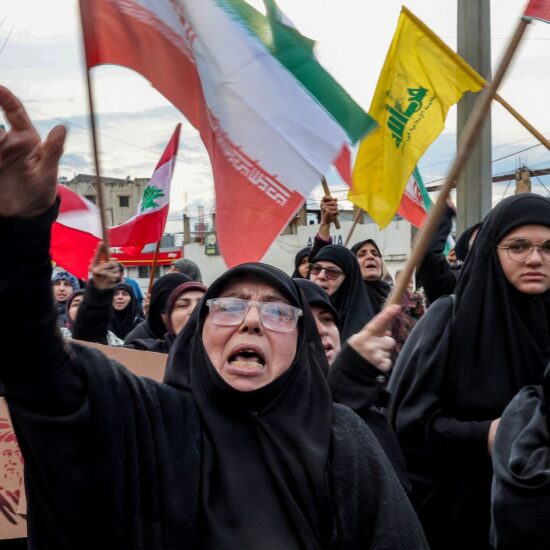
Much of Hezbollah’s weapons supply historically moved through Syria.
Any credible effort to limit or dismantle Hezbollah’s military infrastructure inevitably requires cooperation from Damascus.
The Syrian refugee crisis:
Lebanon hosts more than a million Syrian refugees. Sustainable return mechanisms or coordination over humanitarian management cannot happen without direct engagement with the Syrian state.
Reality check:
Lebanon often treats normalization with Syria as a controversial political issue, but in practice it is a matter of state capacity. A functioning relationship with Damascus is essential if Beirut hopes to manage borders, security, and refugee policy.
What to watch:
Whether the Aoun presidency will move from symbolic contacts like this call to formal institutional coordination.
Any joint Lebanese-Syrian mechanisms on border control or security.
Whether regional pressure pushes Beirut to rebuild a working diplomatic framework with Damascus.
Bottom line:
The phone call between Aoun and Sharaa signals recognition on both sides that cooperation is necessary. But until Lebanon moves toward practical normalization with Syria, its ability to control its borders, manage refugees, and confront Hezbollah’s armed networks will remain limited.