
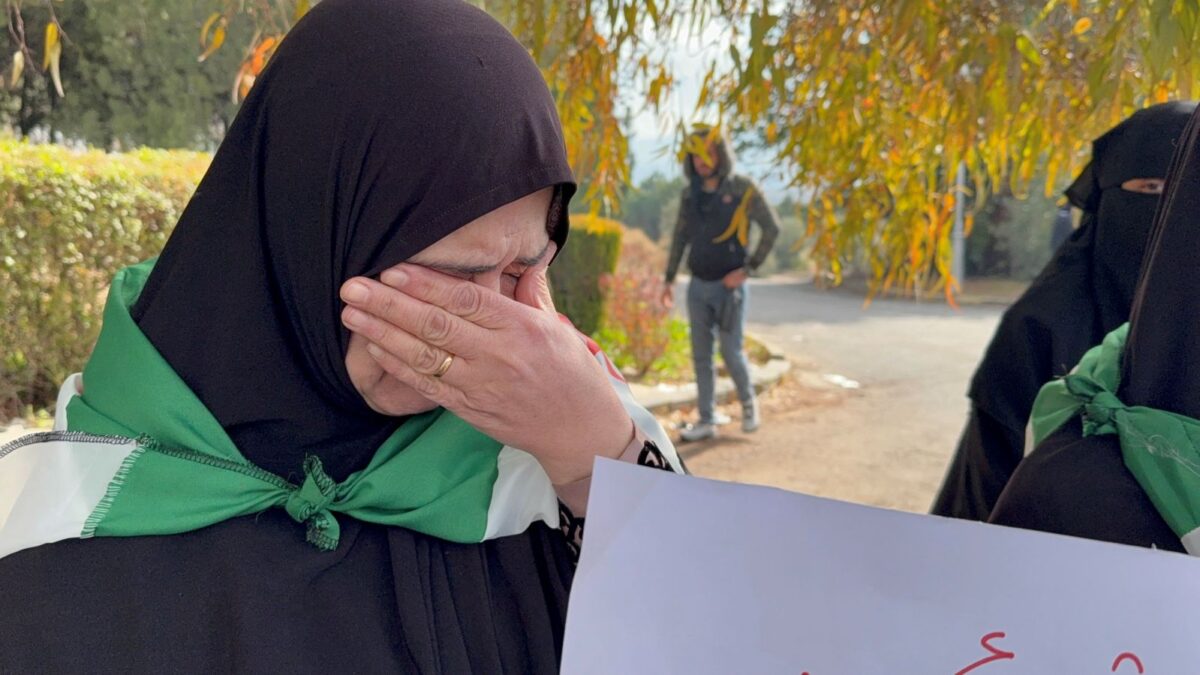
A cautious step forward
Lebanon and Syria appear to be moving closer to resolving one of their most sensitive bilateral issues: the status of Syrian prisoners in Lebanese prisons. Recent judicial talks held in Beirut marked a noticeable improvement in tone and substance compared to earlier failed negotiations.
Sources familiar with the discussions described the latest meeting as positive, reflecting a renewed commitment to addressing the file through formal legal frameworks that respect the sovereignty of both states.
Reviewing the draft agreement
During the Beirut talks, both sides examined in detail the Syrian delegation’s comments on the draft agreement. Discussions focused on legal and procedural mechanisms needed to ensure smooth implementation while remaining compatible with Lebanese law.
According to Alia Mansour, Syrian Lebanese political activist who has been following the file closely, recent meetings between Lebanese and Syrian officials represent a shift from symbolic engagement to substantive negotiations. While earlier rounds failed to produce results, she said the current phase involves what she described as “real discussions.”
Mansour noted that Lebanese authorities are now clearly distinguishing between sentenced detainees and those held without trial, a category that includes individuals who have spent ten years or more in detention without ever appearing to a judge.
Who would the agreement cover?
According to figures cited by Mansour, around 360 Syrian detainees fall under the current agreement and approximately 131 are linked to the Syrian uprising while roughly 30 cases remain unresolved or legally problematic
She noted that Lebanon holds more than 2,600 Syrian detainees in total, many convicted of theft, rape, or criminal murder and therefore excluded from the process.
Many of the remaining convicted prisoners would not be included because they are close to completing their sentences or are serving terms of less than five years. Under Lebanese law, they would be released once their sentences end.
Mansour explained that the agreement excludes cases involving rape and criminal murder, though it does not include combat-related killings.
She added that detainees convicted on terrorism-related charges who have served more than ten years may be eligible for transfer under the agreement.
The unresolved detainee issue
The agreement does not address the status of roughly 1,650 Syrian detainees who are still awaiting trial or final verdicts. This remains the most legally and politically sensitive part of the file.
Some detainees have been held for more than a decade with no final rulings. “Some detainees have been imprisoned for 10 to 13 years without a single sentence,” one Syrian detainee in Roumieh prison who goes by the name “Abou Sham” told NOW “Is this justice, or revenge?”
Delays and political responsibility
Mansour attributed the prolonged delay in resolving the detainees’ file to political hesitation rather than legal constraints, particularly in the period following the fall of the Assad regime.
“The delay was not legal, it was political,” she said, arguing that legal justifications were repeatedly used to avoid responsibility despite the issue being “fundamentally political.”
The state of Roumieh Prison
Lebanon’s largest detention facility, Roumieh Prison, is severely overcrowded and under-resourced, straining the country’s already fragile justice system.
“The situation is not bad, it is catastrophic,” said the Abou Sham, who has been imprisoned since 2016 on terrorism-related charges based largely on intelligence reports. “No healthcare, no medicine, no food, no dignity.”
According to Abou Sham, 44 prisoners died in Roumieh in 2025 alone, an average of three to four deaths per month—underscoring the humanitarian toll of prolonged detention.
Human rights groups and lawyers say these conditions have contributed to prolonged pre-trial detention, heightened tensions among inmates, and widespread criticism that the Lebanese penal system fails to meet minimum humanitarian standards. The situation adds urgency to efforts to resolve the Syrian prisoner file, particularly the status of those still awaiting trial, whose cases have been delayed amid systemic challenges in the prison system.
Changes in court practice
Sources pointed to stricter enforcement of Article 108 of Lebanon’s Code of Criminal Procedure in recent months. The article requires the release of felony detainees after six months if no verdict is issued, and misdemeanour detainees after two months if proceedings stall.
While the rule applies to all detainees, Syrian prisoners are among those most affected due to long delays in their cases.
While the current talks focus only on convicted prisoners, many detainees say years of uncertainty have eroded their trust in Lebanese authorities. “We trust the new Syrian state,” he added, “but we have lost trust in Lebanon.” Abou Sham told NOW.
From tension to compromise
Last month’s meeting in Damascus had ended without progress, after Syria rejected much of the draft agreement. In Beirut, however, Lebanese officials reportedly agreed to incorporate around 70 percent of the Syrian delegation’s remarks into the revised text.
Remaining disagreements are described as limited and potentially solvable, especially given the shared interest in closing the prisoner file.
While officials insist the revised draft meets most Syrian demands without compromising Lebanese judicial authority, detainees say the issue is no longer political. “Our case is humanitarian,” Abou Sham said. “We have families waiting for us. We just want to go home.”
What comes next
The Lebanese judicial committee is expected to submit the outcome of the talks to President Joseph Aoun, Prime Minister Nawaf Salam, Deputy Prime Minister Tarek Mitri, and Justice Minister Adel Nassar. The report will outline progress made and highlight remaining points of contention.
Mansour said the Syrian state is pressing to resolve the detainees’ file and considers it a prerequisite for meaningful political and economic cooperation with Lebanon.
Once detainees are transferred, she added, their fate—release, amnesty, or continued detention—becomes Syria’s responsibility.
While the revised draft is said to meet most Syrian demands without undermining Lebanese judicial authority, broader legal and humanitarian questions remain. Still, the latest talks suggest Beirut and Damascus are cautiously edging toward resolving one of their most contentious issues—possibly opening the door to cooperation on other unresolved files as well.