Driving the news:
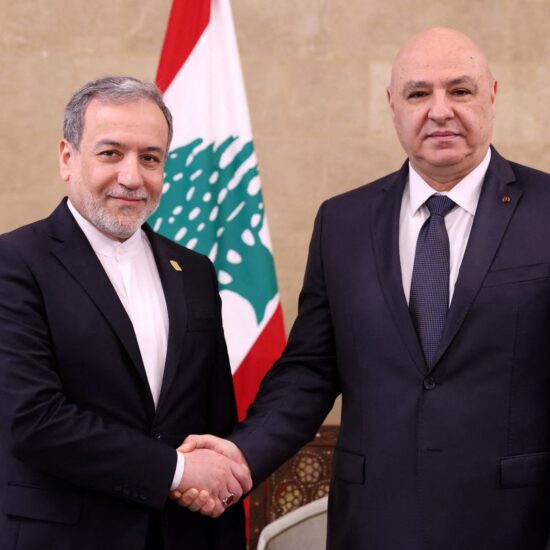
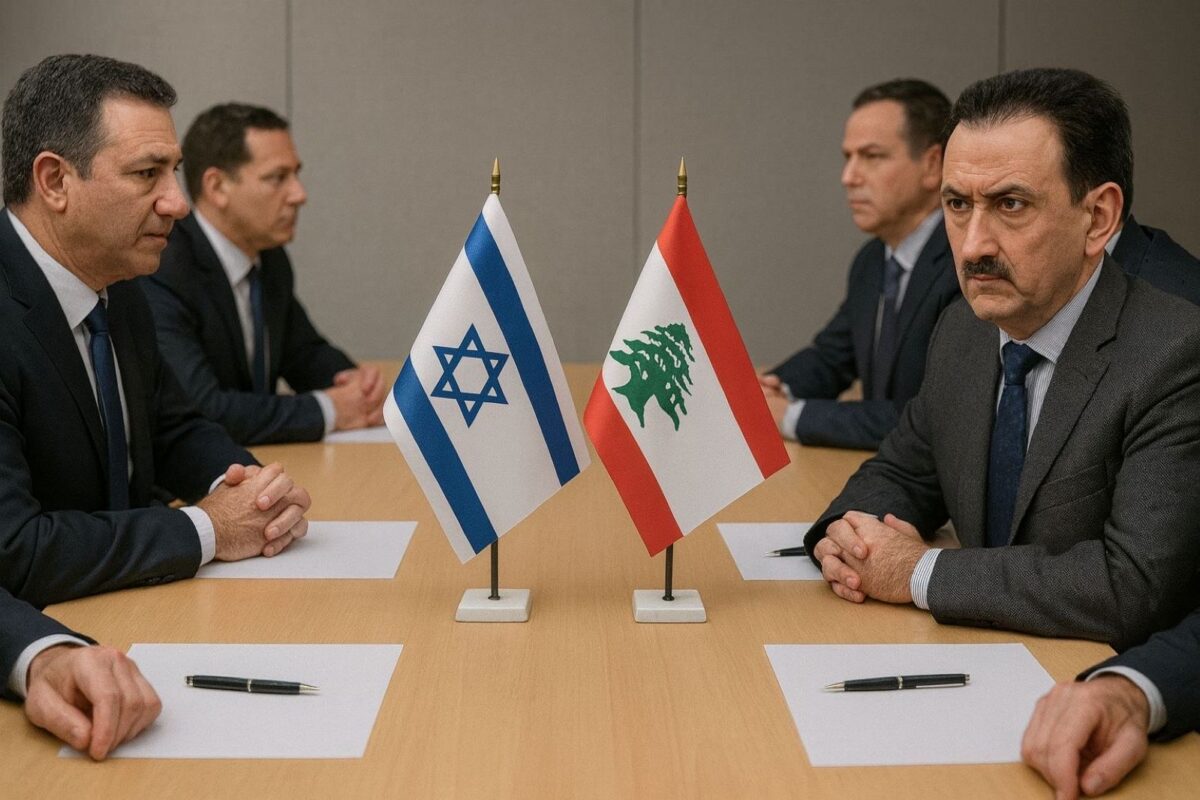
For the first time since the Lebanon–Israel ceasefire took effect, civilians will formally participate in the “ceasefire-mechanism” meeting convening Lebanese, Israeli, UN, and international representatives.
- Lebanon is sending former ambassador Simon Karam as its civilian delegate.
- Israel is sending Uri Resnick from the National Security Council.
The meeting falls under the Cessation of Hostilities Implementation Mechanism, established to monitor and enforce the ceasefire that ended more than a year of cross-border warfare between Israel and Hezbollah.
Why it matters
- Shift beyond military-only talks: Until now, meetings surrounding the ceasefire were dominated by uniformed officers and intelligence officials. The inclusion of civilian diplomats signals a shift toward a more political and regulatory approach to managing the truce rather than treating it purely as a security deconfliction channel.
- A test of Lebanese state ownership: Beirut’s choice of Simon Karam — a career diplomat known for defending state sovereignty and publicly opposing militia dominance — carries political weight. His participation underscores that Lebanon, at least formally, is asserting a civilian and state-centered role in managing the ceasefire rather than leaving the file to military intermediaries alone.
- A fragile truce under pressure: The meeting comes amid continuous accusations of violations along the southern border. International mediators are racing to prevent renewed escalation as localized clashes and tit-for-tat strikes threaten to destabilize the ceasefire.
The big picture
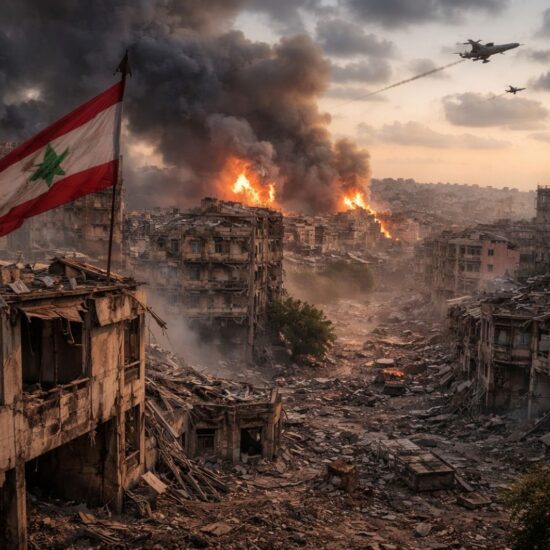
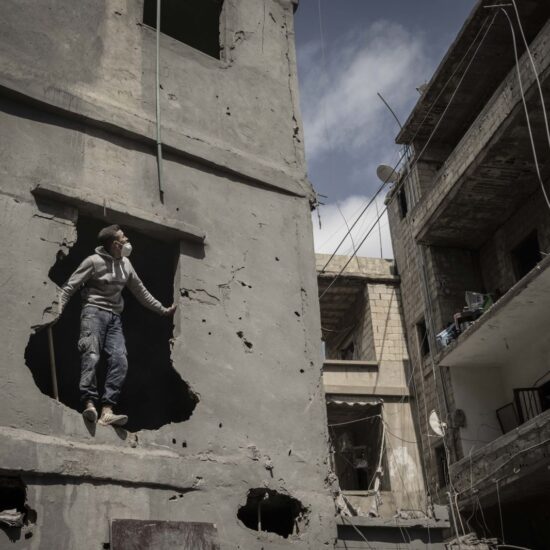
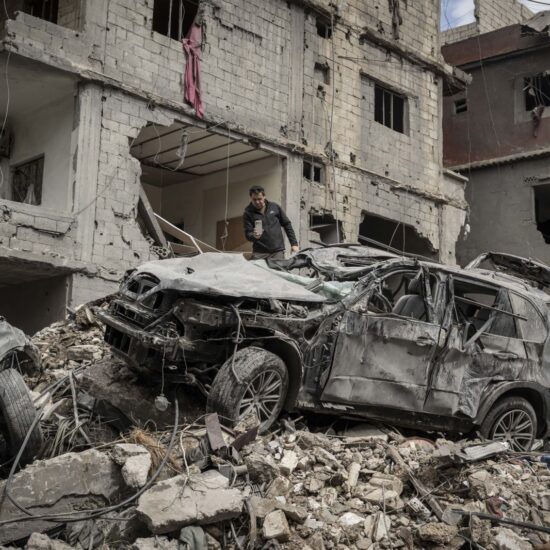
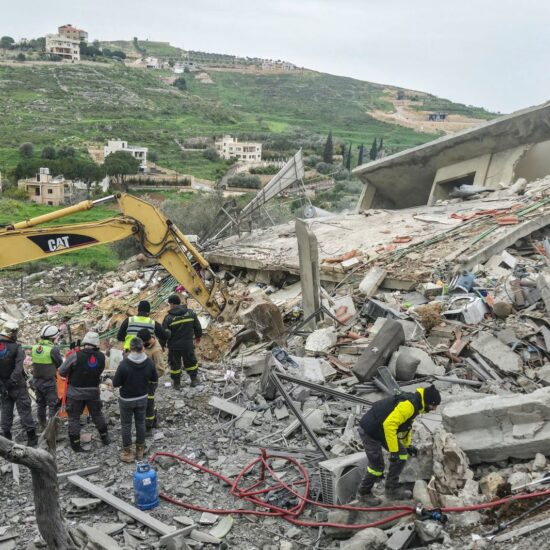
- In November 2024, Israel and Lebanon reached an internationally brokered ceasefire following more than a year of conflict between Israel and Hezbollah. The fighting devastated large areas of southern Lebanon, displaced tens of thousands of civilians, and deepened the erosion of Lebanese state authority in the border regions.
- The ceasefire mechanism brings together UNIFIL, Lebanese and Israeli officials, and international interlocutors — notably the United States and France — to verify incidents, mediate disputes, and establish technical understandings aimed at preventing renewed fighting.
- Washington has pushed for stricter implementation of the ceasefire, including expanded monitoring and more intrusive verification measures in areas believed to house Hezbollah military infrastructure — proposals that remain politically explosive inside Lebanon.
Between the lines
Who speaks for Lebanon?
Sending a civilian diplomat highlights a long-running contradiction: the Lebanese state formally signs agreements and hosts mediation processes, while Hezbollah maintains an independent military decision-making structure operating outside full state control. Karam’s presence at the table symbolically challenges the notion that war-and-peace decisions are dictated solely by one armed faction.
Israel’s calibrated move:
Appointing a senior civilian official from the National Security Council, rather than a military officer, suggests Israel also seeks to frame the mechanism as part of a broader political process rather than a strictly tactical security dialogue. It aligns with wider international efforts to translate the ceasefire into a durable border arrangement rather than a temporary lull.
Domestic fault lines:
Any move toward tighter inspections or enhanced international oversight inside southern Lebanon provokes immediate backlash from Hezbollah and its allies, who portray such measures as foreign interference or attempts to dismantle the “resistance.” Yet many Lebanese view expanded monitoring as one of the last remaining tools to restrain unilateral militia action and reduce the risk of another destructive war.
Zoom in: the U.S. role
American envoys remain closely involved in the talks, pressing for:
- More robust verification of ceasefire violations.
- Expanded inspection authority in sensitive locations.
- Clearer enforcement mechanisms linking diplomatic engagement to tangible security outcomes.
These demands place the Lebanese government and army in a politically precarious position — balancing international expectations with domestic pressure from armed factions resistant to external oversight.
What to watch
- Hezbollah’s response: Public condemnation is likely if the talks translate into tighter monitoring on the ground. Behind the scenes, the key question remains whether the party will tolerate gradual constraints on its freedom of movement in exchange for preserving the truce — or opt for escalation instead.
- State leverage: Whether Karam’s participation produces a more coherent Lebanese state position inside the mechanism — one anchored in civilian diplomacy rather than militia red lines — will be an early test of Beirut’s capacity to reclaim political agency over its own borders.
- Border stability: Any technical breakthroughs on surveillance coordination, patrol movements, or incident reporting will serve as indicators of how much political capital remains invested in sustaining the ceasefire.
Bottom line:
Civilians at the table will not resolve Lebanon’s structural crisis — a state negotiating commitments it does not fully control — but the shift reintroduces diplomatic language into a file long monopolized by armed actors. Whether this symbolic opening evolves into real Lebanese state authority remains uncertain.