BEIRUT —A French diplomatic initiative aimed at stopping the escalating war in Lebanon has quickly collapsed after Hezbollah rejected the proposal, underscoring once again the stark gap between the Lebanese state’s diplomacy and the militia’s control over the country’s war decisions.
Why it matters
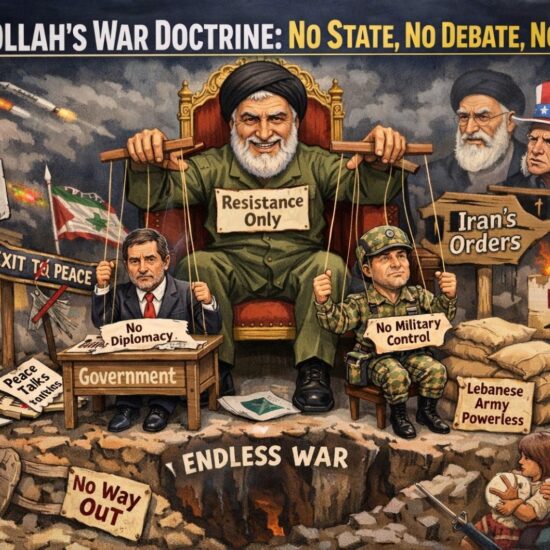
Lebanon is once again confronting the structural reality that its government is attempting to stop a war that it does not fully control. While President Joseph Aoun has launched urgent diplomatic contacts with international capitals, Hezbollah — not the state — ultimately determines whether the fighting continues.
The big picture
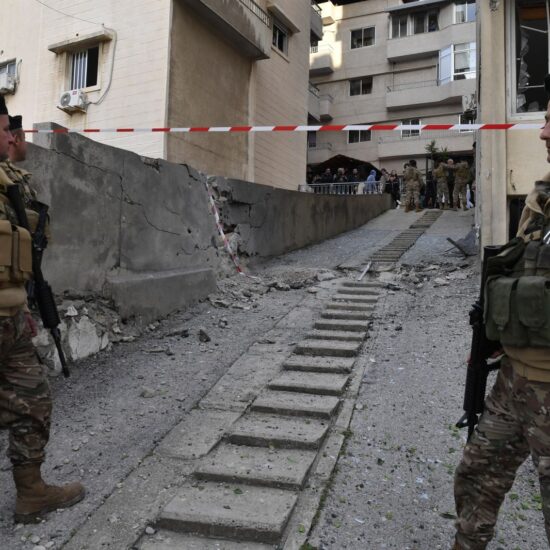
As Israeli airstrikes and military operations expand across Lebanon, Aoun has intensified communications with Washington and Paris in an effort to halt the escalation.
According to government sources:
- Aoun asked the United States to intervene with Israel to stop military operations.
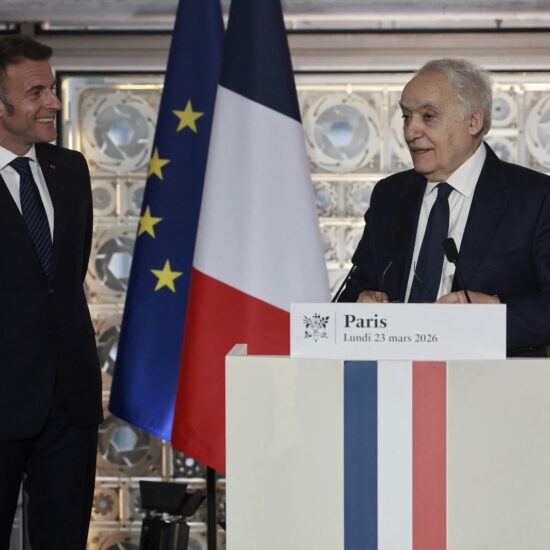
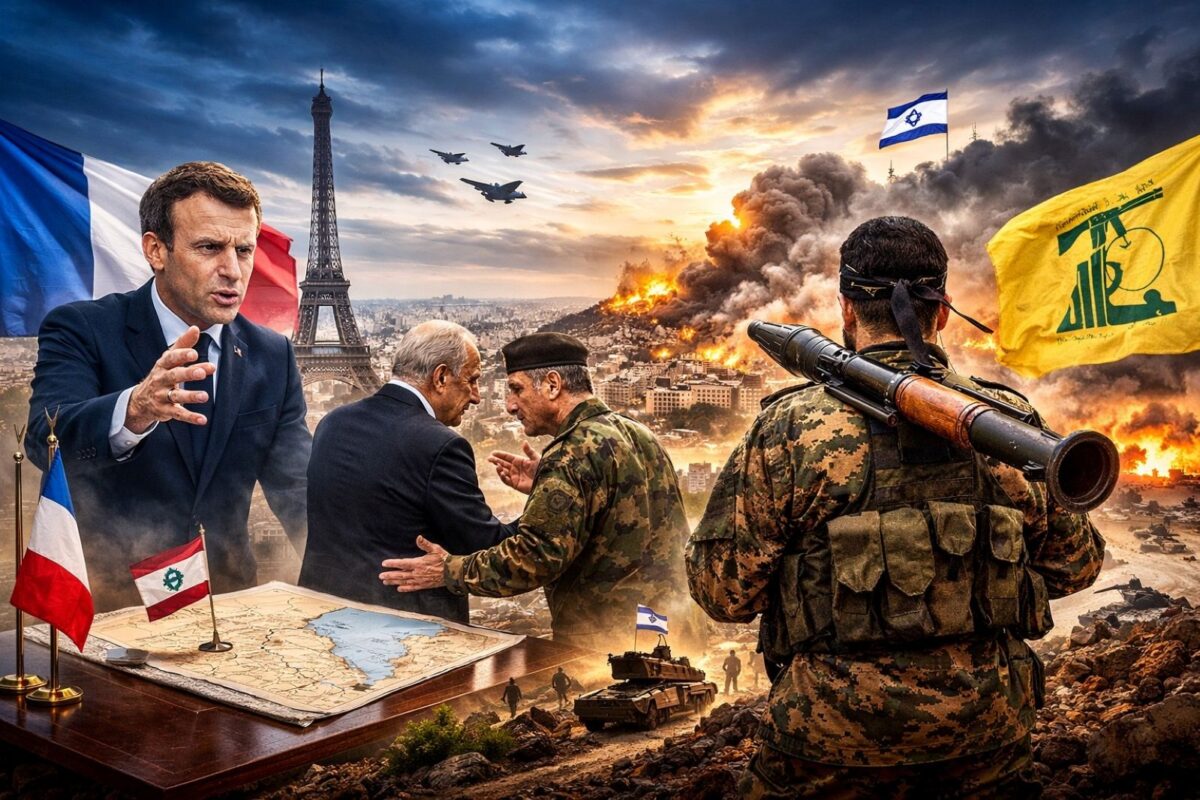
- At the same time, he maintained contact with French President Emmanuel Macron, who attempted to revive France’s traditional role as a diplomatic intermediary in Lebanon.
France proposed that Hezbollah publicly reaffirm its commitment to a ceasefire similar to the arrangement reached after the November 27, 2024 cessation of hostilities.
The idea was simple — at least on paper.
If Hezbollah announced its commitment to a ceasefire, France would then approach Washington and Israel to push for a halt to Israeli operations.
In theory, this would create a diplomatic pathway toward de-escalation.
In practice, it resembled a classic exercise in French diplomatic optimism.
Behind the scenes
Even delivering the proposal proved complicated.
Because Hezbollah’s leadership operates under strict security measures to avoid Israeli assassinations, direct communication channels are limited.
According to the same sources:
- Presidential adviser Brig. Gen. André Rahal attempted to transmit the proposal through indirect channels.
- Parliament Speaker Nabih Berri was also informed of the initiative in the hope that he could pass the message to Hezbollah’s leadership.
This labyrinth of intermediaries is itself a reminder of Lebanon’s unusual political architecture — where the state often negotiates with an armed actor that exists outside its authority.
What Hezbollah said
Hezbollah rejected the French proposal.
The group reportedly argued that:
- The current moment is not suitable for negotiations.
- The priority is to continue the confrontation while Israeli military operations persist.
In other words, Hezbollah sees the war as ongoing leverage rather than something to be quickly frozen through diplomacy.
The reality check
The episode exposes a structural contradiction inside Lebanon.
On one side:
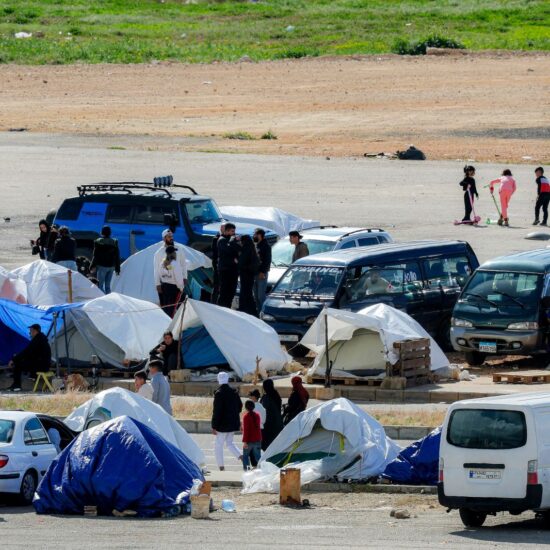
- The Lebanese state is attempting to stop the war through diplomatic channels to prevent further destruction, displacement, and economic collapse.
On the other:
- Hezbollah continues to treat the conflict as a strategic battlefield in which military escalation can reshape the balance of power.
This divergence leaves Lebanon in a familiar position — a country whose official government is seeking de-escalation while a powerful armed organization insists that the fighting must continue.
The French illusion
The failure of the initiative also highlights a recurring pattern in French diplomacy toward Lebanon.
Paris continues to behave as though Lebanon’s crises can be solved through carefully crafted diplomatic proposals and political mediation.
But the reality is far less elegant.
Lebanon’s central problem is not a shortage of diplomatic initiatives. It is the existence of a heavily armed organization capable of overriding the state’s decisions on war and peace.
Until that structural imbalance changes, proposals like the French one risk becoming little more than diplomatic theater.
France proposes.
Beirut relays.
Hezbollah refuses.
And the war goes on.