BEIRUT — Evacuation orders issued by the Israel Defense Forces on Thursday pushed the war’s displacement map from southern Lebanon into the heart of Beirut’s southern suburbs, forcing thousands of residents to flee neighborhoods across Dahiyeh.
Why it matters
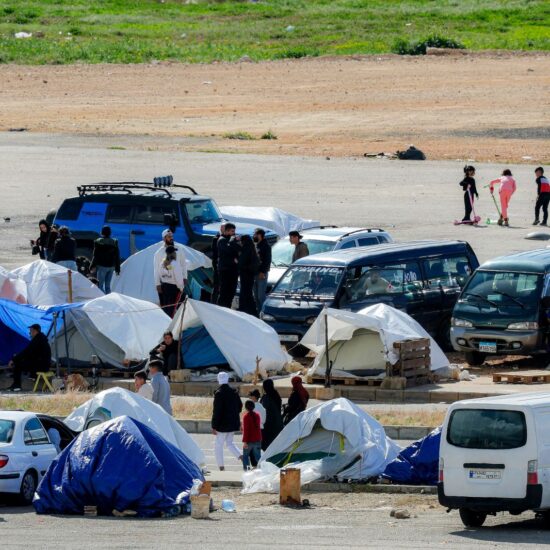
For months, evacuation orders and displacement were largely confined to villages south of the Litani River. The latest warning shows the conflict is now reaching deep into Beirut itself, placing one of Lebanon’s most densely populated urban areas under the same wartime logic that emptied much of the south.
What happened
- On Thursday afternoon, IDF Arabic spokesperson Avichay Adraee issued a sweeping evacuation warning on X.
- Unlike previous warnings targeting individual buildings, the message covered entire neighborhoods in Beirut’s southern suburbs.
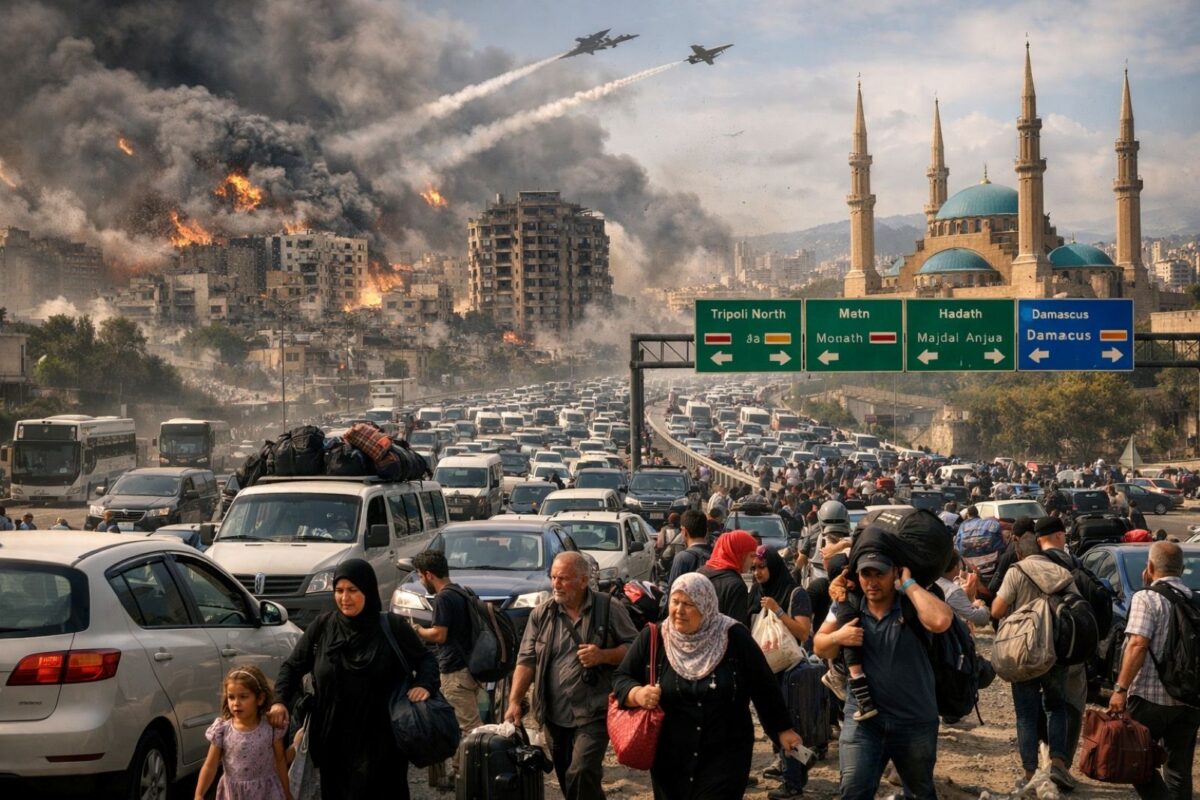
- Residents of Bourj al-Barajneh and Hadath were told to move east toward Mount Lebanon via the Beirut-Damascus highway.
- Residents of Haret Hreik and Chiyah were instructed to move north toward Tripoli or east toward Mount Lebanon via the Metn highway.
- The warning explicitly prohibited movement southward, stating that doing so could endanger civilians.
The message urged residents to “save your lives and evacuate your homes immediately,” adding that they would be notified when it would be safe to return.
On the ground
The warning triggered immediate panic across Dahiyeh and surrounding areas.
Within minutes, roads leading out of the southern suburbs became gridlocked as thousands attempted to leave simultaneously. Many residents who had previously stayed in their homes until the start of bombardment chose to evacuate immediately after the warning.
The scale of the evacuation order — covering entire districts rather than specific buildings — signaled the possibility of a far broader air campaign.
The context
The evacuation orders came after Hezbollah launched six rockets toward Israel earlier in the day.
Militarily insignificant, the attack nonetheless provided the trigger for a sharp Israeli escalation.
Because Hezbollah operates from densely populated neighborhoods, Israeli warnings often translate into displacement orders affecting large civilian populations.
The big picture
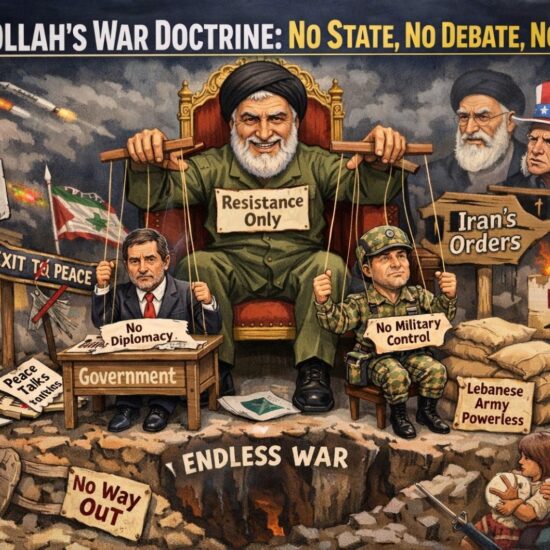
The evacuation of Beirut’s southern suburbs highlights a recurring pattern in Lebanon’s wars with Israel: Hezbollah initiates hostilities while embedding its military infrastructure within civilian areas, leaving entire communities exposed to retaliation.
What began as the emptying of villages in southern Lebanon now risks becoming the displacement of neighborhoods in the capital itself.
For many Lebanese civilians, the equation remains painfully familiar: decisions made by armed actors quickly translate into evacuation orders for the population.
Makram Rabah is the managing editor at Now Lebanon and a lecturer at the American University of Beirut, Department of History. His book Conflict on Mount Lebanon: The Druze, the Maronites and Collective Memory (Edinburgh University Press) cover collective identities and the Lebanese Civil War. He tweets at @makramrabah.