The question everyone is asking about Iran is the wrong one.
“Will the regime fall?” assumes that collapse is the natural endpoint of mass protest. History tells us otherwise. Regimes do not fall because people are brave. They fall when power breaks.
What is unfolding in Iran today sits precisely in that uncomfortable space between resistance and rupture, not collapse, but something more dangerous: the slow unraveling of a system that can no longer rule normally.
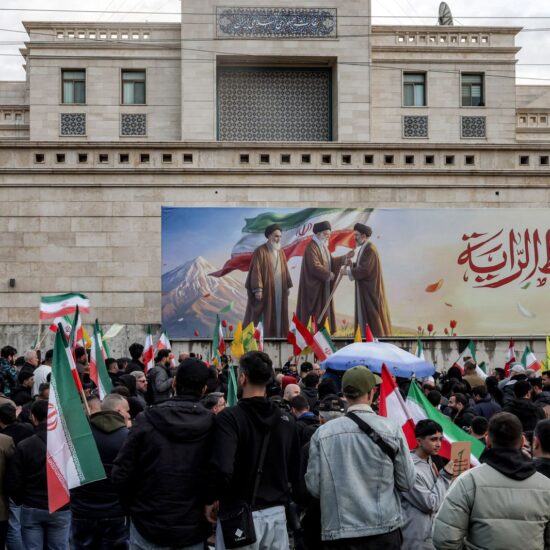
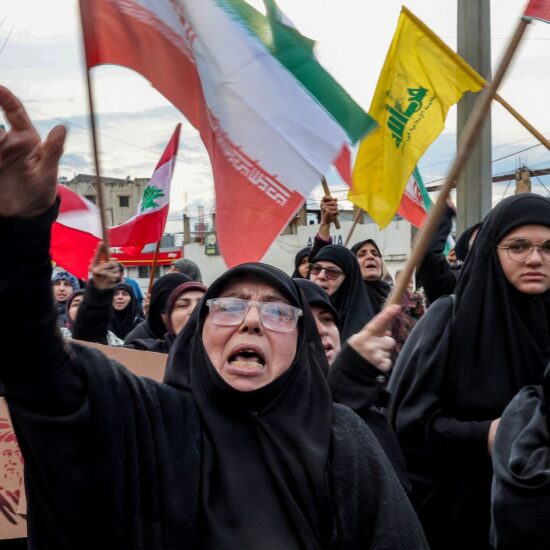
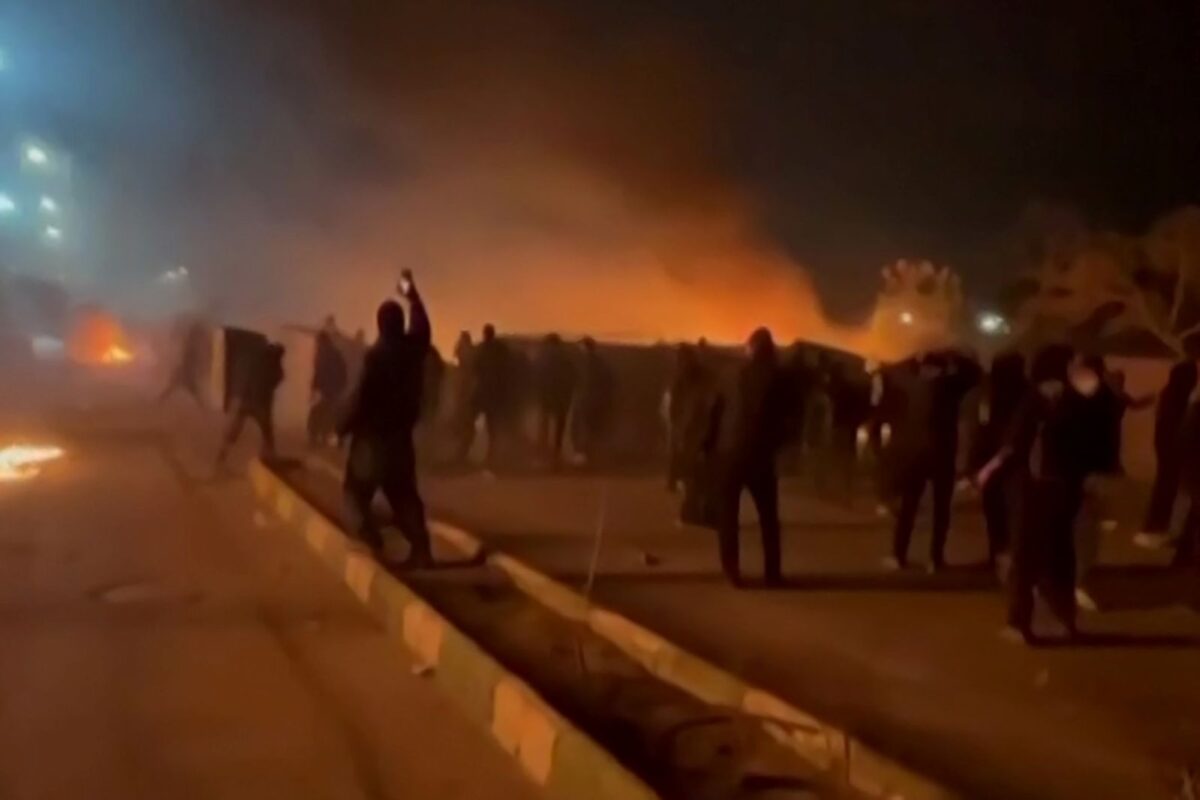
There is no denying the scale or courage of what is happening. Resistance inside Iran is nationwide, sustained, and costly. Protest has spread across cities, classes, and generations. Women, students, workers, minorities, all have paid a price. Any analysis that minimizes this courage is dishonest.
But courage alone does not topple regimes.
The Islamic Republic has shown, repeatedly, that it is willing to kill to survive. It has done so openly, systematically, and without apology. This matters because it forces us to confront an uncomfortable reality: repression is not a sign of weakness. It is often the final tool of regimes that still retain control over the instruments of power.
And for now, those instruments largely remain intact.
Security forces have not fractured at scale. Elite cohesion, while strained, has not yet collapsed. Information remains tightly controlled, limiting coordination and isolating protest pockets. In other words, the regime is wounded but not broken.
This is where many external observers misread the situation. Protest is often mistaken for power. It isn’t. Protest reveals illegitimacy; it does not automatically translate into regime change.
Regime change becomes real only when three things begin to happen simultaneously: when strikes spread beyond symbolic protest into sustained economic disruption; when security forces begin to fracture, defect, or refuse orders; and when coordination survives repression long enough to link resistance across space and time.
Iran is not fully there, at least not yet.
The opposition, for its part, is both heroic and constrained. It is brave, but fragmented. Leaderless by force, not by choice. And crucially, it lacks a shared “day after.” This is not a moral failure; it is the product of decades of repression designed precisely to prevent political organization. But the absence of a credible transition narrative remains a structural weakness.
This is why simplistic calls for regime change ring hollow. Revolutions are not won by slogans, nor by external endorsements, nor by nostalgic projections from exile. They are won when power blocs inside the system calculate that survival outside the regime has become more likely than survival within it.
That moment may come. Or it may not.
What makes the current moment historically significant is not that the regime is about to fall, but that legitimacy is cracking in ways that are difficult to reverse. Fear is spreading upward, not just downward. Obedience is thinning. The state still governs but increasingly through coercion alone, stripped of consent, persuasion, or credibility.
This is an unstable equilibrium.
In such moments, history does not move gradually. It moves in bursts. Systems that appear solid can unravel quickly once key thresholds are crossed. Equally, movements that seem unstoppable can be crushed if isolation deepens and coordination fails.
This is why predictions are cheap and certainty is irresponsible.
Regime change in Iran is possible. It is not inevitable. It is not immediate. But Iran has crossed a point of no return in a deeper sense: the Islamic Republic can no longer rule as it once did. Normal governance has given way to permanent crisis management. Repression has replaced legitimacy as the system’s core operating logic.
That is not stability. It is turbulence.
Those watching Iran should prepare for that turbulence. politically, regionally, and morally. Not because collapse is guaranteed, but because prolonged unraveling is often more volatile, more violent, and more unpredictable than clean regime change.
The future of Iran will not be decided by hope alone. It will be decided by fractures within power, within coercion, and within the regime’s ability to command obedience.
That battle is still unfolding.
Ramzi Abou Ismail is a Political Psychologist and Senior Research Fellow at the Institute for Social Justice and Conflict Resolution at the Lebanese American University.
The views in this story reflect those of the author alone and do not necessarily reflect the beliefs of NOW