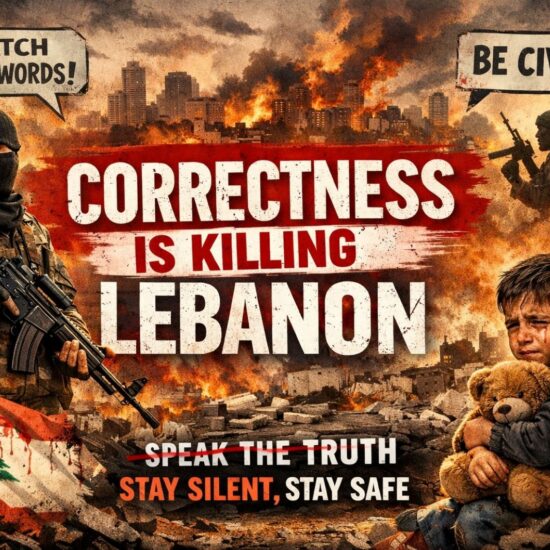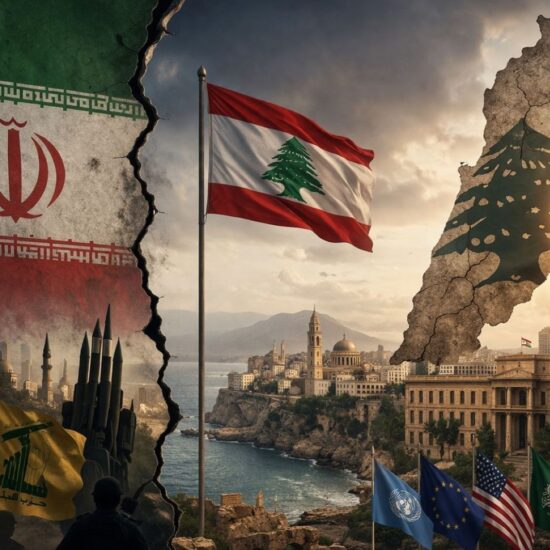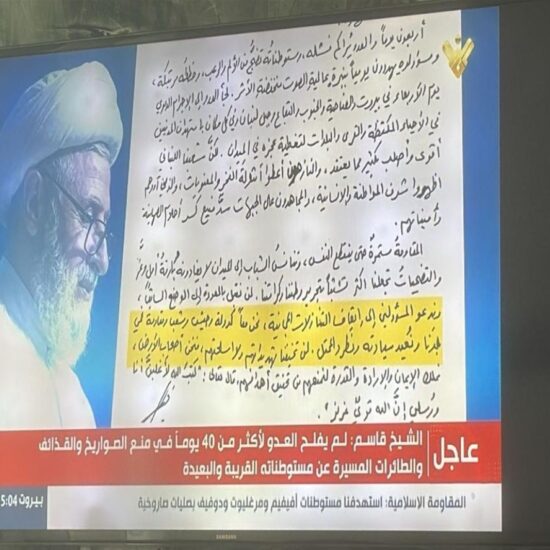
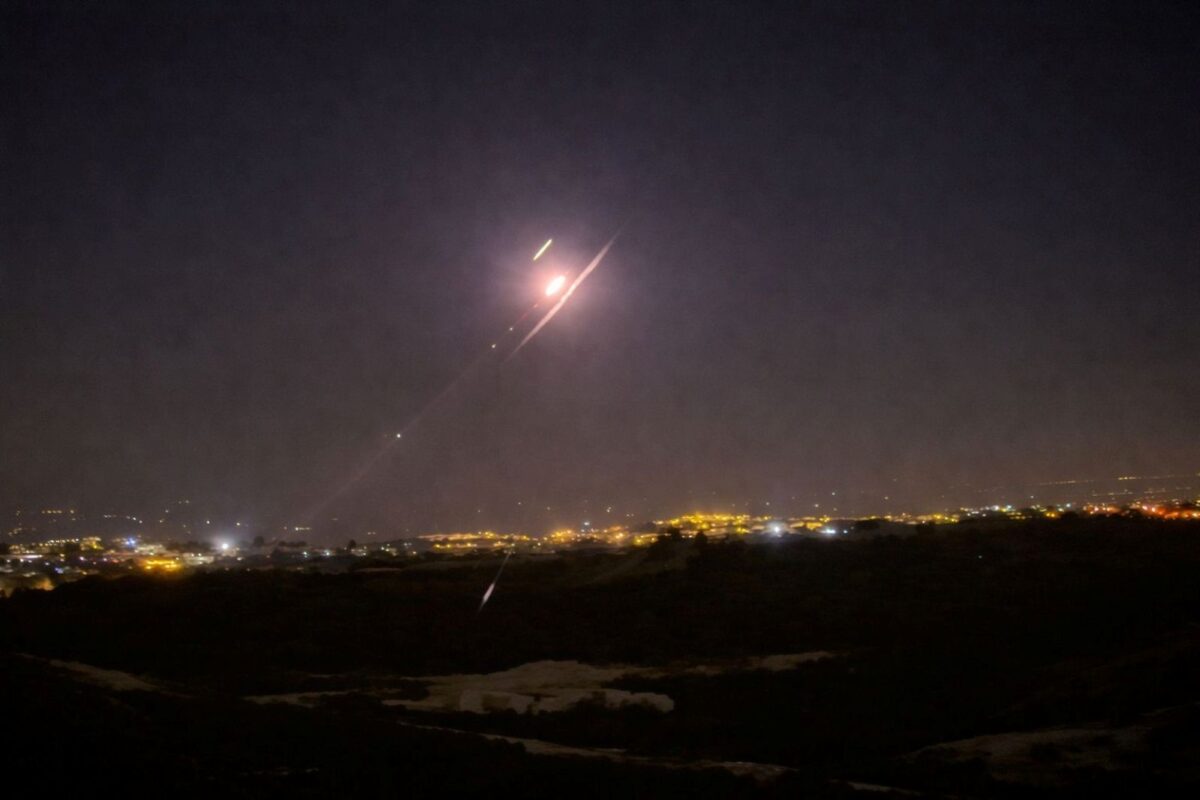
BEIRUT — Sirens wailed across northern Israel on Monday morning after projectiles were launched from Lebanon toward Haifa and surrounding areas.
The alarms were activated in Haifa, nearby towns, and several locations across the Upper Galilee. The IDF said details remain under investigation.
It is not yet officially confirmed who launched the rockets. However, Hebrew media reports attribute the barrage to Hezbollah, which has not formally claimed responsibility.
If confirmed, the attack would mark a major escalation.
Mass exodus of civilians from southern Lebanon is reported paving the way for a possible Israeli response.
Why this matters
This would be the first time Hezbollah has directly joined Iran’s current confrontation with Israel. Notably, during the previous Israel–Iran exchange in June, Hezbollah refrained from entering the fight.
It would also mark the first rocket fire from Lebanon since the U.S.-brokered Israel–Lebanon ceasefire that took effect in November 2024.
In other words: this would represent the collapse of the post-ceasefire status quo.
Even more consequential is where the rockets were reportedly launched — south of the Litani River. That zone was meant to remain free of armed militant activity under post-2006 arrangements. If verified, it strengthens Israel’s legal and military justification for broad retaliation.
The shift
For months, Hezbollah calibrated its involvement — signaling solidarity with Iran while avoiding direct escalation that could trigger full-scale war.
Firing toward Haifa changes that calculation.
Haifa is not a border outpost. It is one of Israel’s principal urban and economic centers. Striking it crosses from symbolic engagement into strategic confrontation.
The move also reinforces criticism inside Lebanon that Hezbollah’s military doctrine carries a self-destructive logic — one willing to expose Lebanon to devastating retaliation in pursuit of regional alignment.
What Israel is likely weighing
Israel has consistently warned that attacks on major cities would invite expanded military action. The IDF’s initial statement signals assessment mode — but precedent suggests restraint becomes harder once central urban areas are targeted.
If Israel determines the launches originated south of the Litani, the operational response could widen significantly.
The political equation inside Israel also shifts: sustained rocket fire on Haifa cannot be treated as routine border friction.
What to watch
Whether Hezbollah formally claims responsibility.
Whether Israel expands strikes deeper into Lebanese territory.
Whether Beirut distances the state from the launches.
Whether Washington intervenes to prevent the northern front from fully igniting.
Bottom line
If confirmed, this barrage marks Hezbollah’s formal entry into the war alongside Iran — and the effective end of the November ceasefire framework.
The immediate impact may be limited — no reported injuries, investigation ongoing.
The strategic consequences, however, could be profound.
The question is no longer whether the southern front is active.
It is whether it is about to widen dramatically