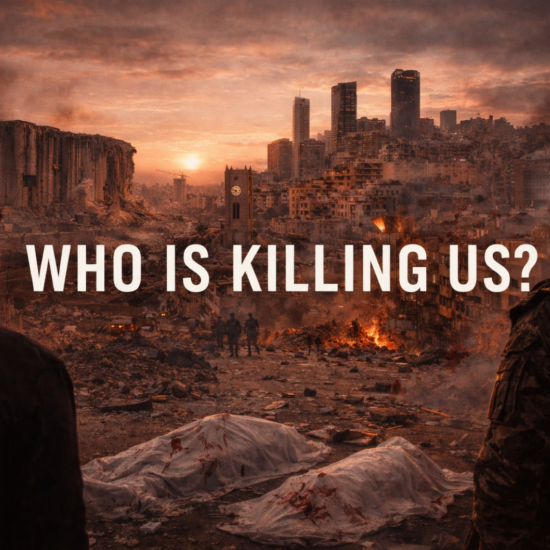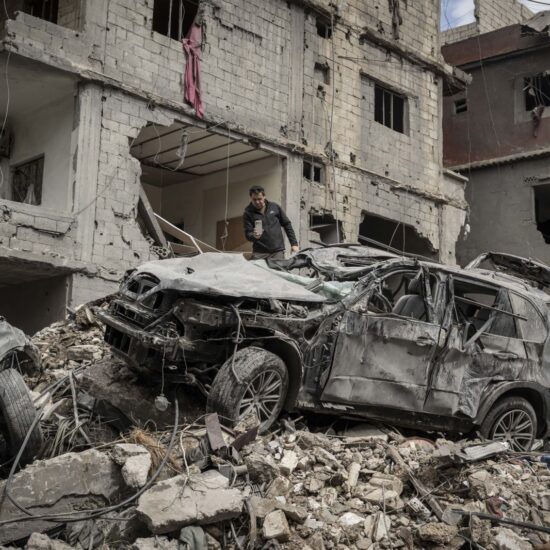
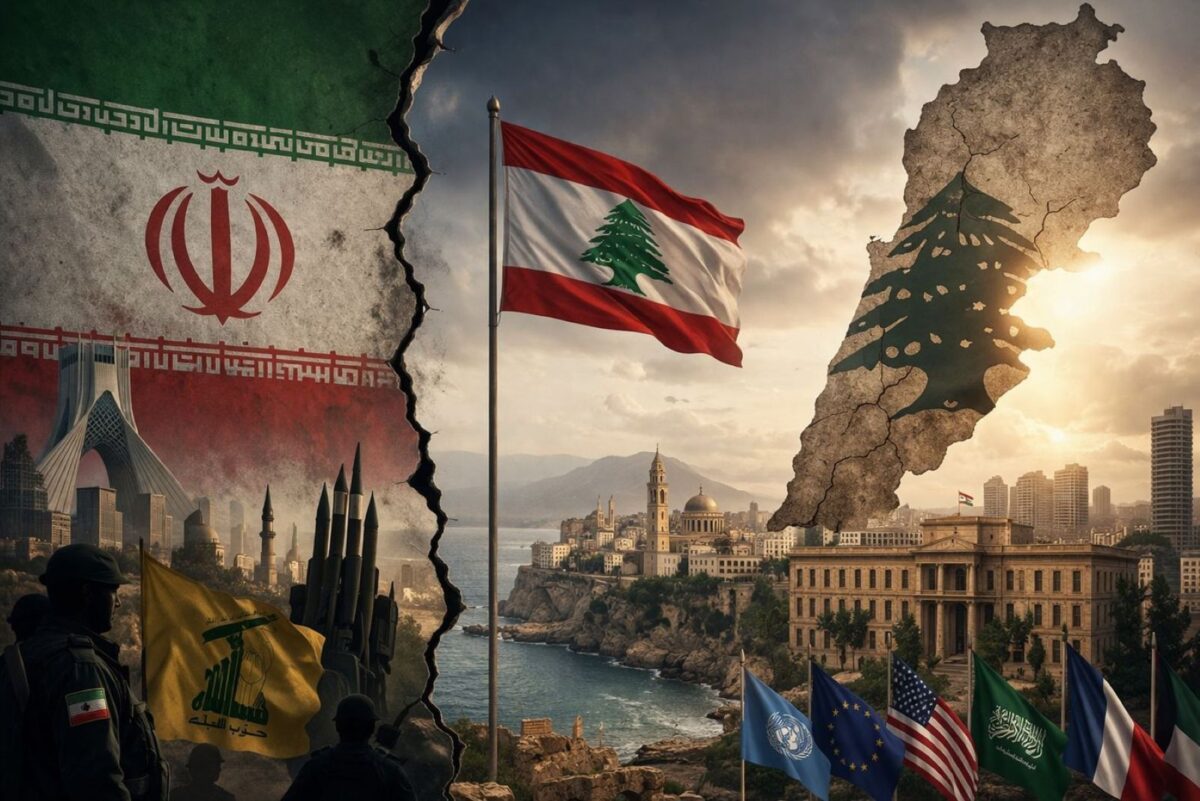
In recent months, relations between the Islamic Republic of Iran and Lebanon have entered a new and increasingly tense phase, one that could reshape not only Lebanon’s internal dynamics but also the broader geopolitical balance of the Eastern Mediterranean and the wider Middle East. A series of military, diplomatic, and administrative measures taken by the Lebanese government, alongside efforts to curb the influence of non-state actors aligned with Tehran, point to a deliberate attempt by Beirut to redefine its position amid a rapidly evolving regional crisis.
Notably, even in the midst of the ongoing conflict between the United States-Israel coalition and Iran, Tehran has reportedly signaled its unwillingness to accept a ceasefire that does not include Lebanon and an end to hostilities against Hezbollah. This underscores Lebanon’s centrality to Iran’s broader regional strategy.
Toward Multilateral Pressure and Internal Rebalancing
One of the most consequential recent developments has been Lebanon’s shift in visa policy toward Iranian nationals. By revoking visa-free entry and requiring prior authorization, particularly for individuals suspected of ties to military or security institutions, the Lebanese government has taken a significant step toward tightening control over external influence within its borders. This move, together with other recent measures, has been widely interpreted as part of a broader effort to reassert state sovereignty over the country’s fragmented security landscape.
At the same time, curbing the activities of Hezbollah, widely regarded as Iran’s closest ally in Lebanon, has become a central axis of domestic policy. This shift coincides with mounting international and domestic pressure to fully implement United Nations Security Council resolutions, including provisions mandating the disarmament of armed groups operating outside state authority. Under these resolutions, Hezbollah is required to redeploy its forces north of the Litani River and refrain from military activity along the Israeli border, commitments that have remained only partially fulfilled.
Hanin Ghaddar, a researcher specializing in Lebanese affairs, argues that “Lebanon’s core challenge is not merely Hezbollah’s presence, but the system it has built over time, one in which the economy, politics, and security sectors are deeply intertwined under its influence.” She adds that any meaningful effort to curb this influence will require sustained external backing alongside deep internal reforms. Otherwise, unilateral pressure risks accelerating institutional collapse.
Escalation, Diplomatic Rupture, and Security Risks
Diplomatic tensions have also intensified, reaching an unprecedented level with the expulsion of Iran’s ambassador from Lebanon. Despite Tehran’s efforts to maintain its foothold in Beirut, the move signals the Lebanese government’s intention to recalibrate its foreign relations and reduce its dependence on the regional axis aligned with Iran.
On the security front, reports of destabilizing activities attributed to Iranian-linked networks inside Lebanon have heightened concern. Among them, the reported crash of a missile, allegedly en route to targets in Israel but landing on Lebanese territory, has reinforced fears that Lebanon could increasingly become a theater of proxy confrontation. Analysts warn that such incidents significantly raise the risk of the country being drawn into an unintended war.
In parallel, some assessments suggest that Tehran may be seeking to replicate in Lebanon the proxy model it has developed in Yemen and Iraq, potentially drawing Hezbollah more directly into ongoing hostilities with the United States and Israel. The Lebanese government, however, has openly opposed such a trajectory, emphasizing the importance of neutrality and the need to shield the country from escalation.
A Narrowing Security Margin and New Strategic Openings
Israel, citing Hezbollah’s military activities and rocket fire toward its northern territories, has conducted operations in parts of southern Lebanon and continues to call for the group’s disarmament. These developments have heightened the risk of escalation along the Lebanon-Israel border and renewed international attention to the enforcement of UN resolutions.
Against this backdrop, some regional analysts argue that a relative weakening of Iran’s influence in Lebanon may create new openings for other actors.
Paul Salem, a political analyst and researcher, describes Lebanon as standing at a historic crossroads. “If Lebanon can break out of its dependence on opaque economic systems and armed networks, it has the potential to re-emerge as a financial and economic hub in the Eastern Mediterranean,” he notes. However, he emphasizes that such a transition would require a genuine commitment to reform, transparency, and coordinated international support.
Redefining External Alignments
Within this evolving landscape, the roles of Saudi Arabia and Western countries are gaining renewed significance. Riyadh, which in recent years adopted a more cautious approach toward Lebanon, now has an opportunity to re-engage through financial and political support aimed at stabilizing the country’s crisis-stricken economy.
At the same time, Western actors, by prioritizing structural reforms, institutional strengthening, and greater transparency in governance, are seeking to steer Lebanon toward a more stable and sustainable trajectory.
A Delicate Balance Between Risk and Opportunity
Taken together, recent developments suggest that Lebanon stands at a critical juncture in its modern history. The gradual reduction of non-state actors’ influence, coupled with a redefinition of foreign relations, may, despite heightened security tensions, open pathways toward reconstruction and economic recovery.
Lebanon’s future will depend largely on the state’s ability to manage this complex transition: balancing internal reform with external support, containing security risks while seizing emerging opportunities, and ultimately redefining its role within a rapidly shifting regional order.
Armin Soleimani is a Middle East reporter.
The views in this story reflect those of the author alone and do not necessarily reflect the beliefs of NOW.