Driving the news:
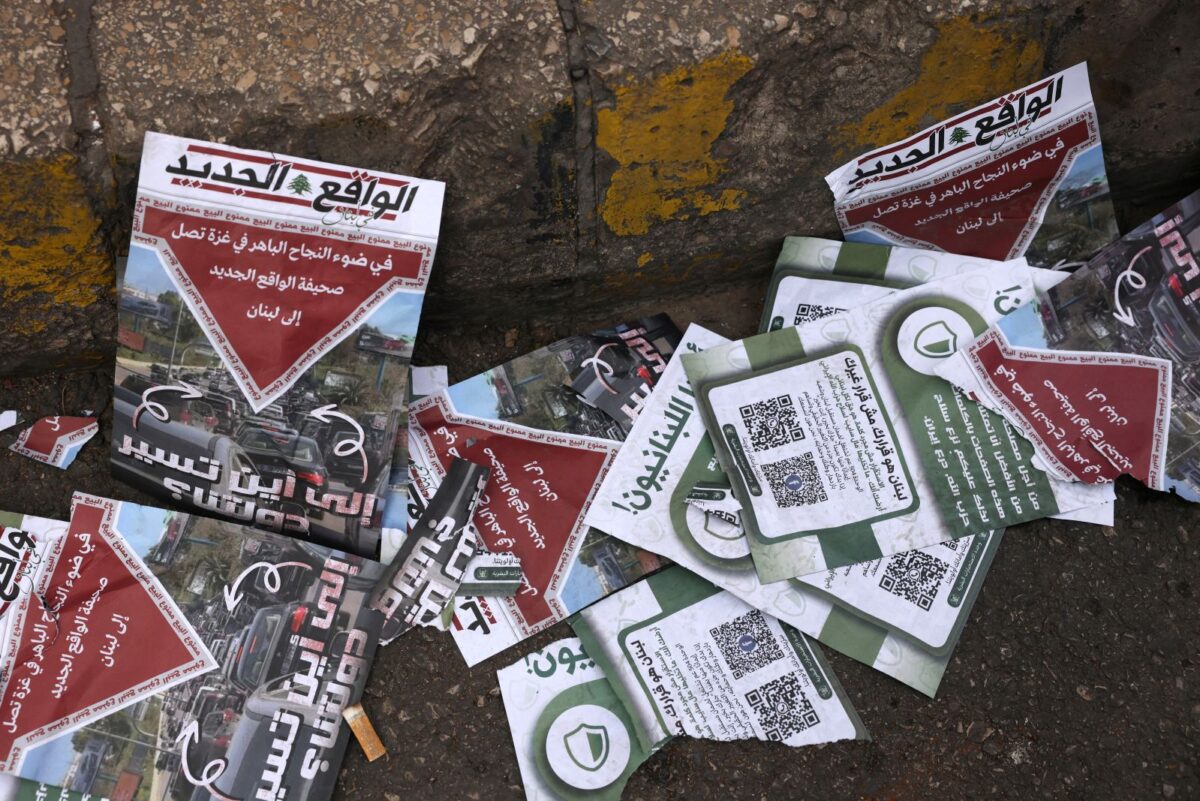
On Friday afternoon, Israel dropped thousands of leaflets over the capital Beirut — calling on the Lebanese population to pressure for the disarmament of Hezbollah. Many leaflets landed in Hamra, where thousands of Lebanese are currently sheltering, after being displaced from their homes.
“Lebanon is your decision, not someone else’s,” one leaflet circulating online reads. Through this campaign, Israel is actively seeking to recruit agents from their northern neighbor. QR codes printed on the widely distributed papers lead to WhatsApp and Facebook contacts with Israel’s special military intelligence unit 504, which specializes in human intelligence.
The Lebanese military promptly warned its citizens not to scan these QR codes. The organization pointed to “the legal liability and security risks involved, as well as the potential for hackers to gain access to cell phones and personal data.”
Why it matters:
This week, Hezbollah and Iran claimed a major success in the war with Israel. Both allies launched about 200 rockets at Israel on Wednesday night. Israel’s military reacted promptly, launching massive air strikes across Lebanon. The Israeli armed forces bombed locations beyond the usual targets in Dahieh, the Bekaa region and southern Lebanon — causing panic nationwide.
Israel’s government has issued an ultimatum to Beirut. Israeli Prime Minister Benjamin Netanyahu demands Lebanon to disarm Hezbollah. Otherwise Israel will continue its military actions. “It would be better if the Lebanese government handled” the issue, Netanyahu said on Thursday. Regardless of whether Lebanon’s government acts, the militia would pay a high price, he added.
Zoom in:
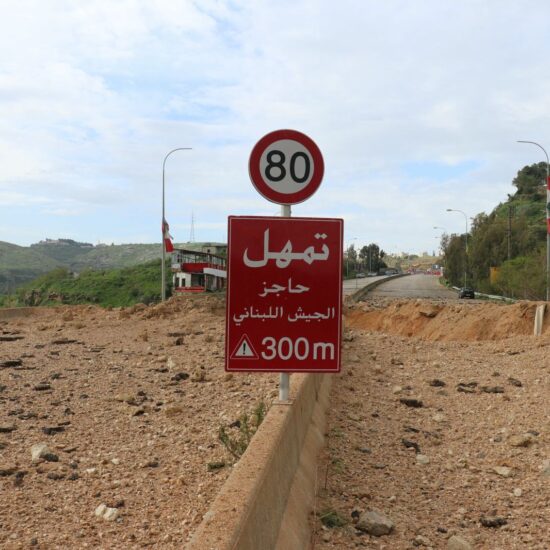
On Thursday, the Israeli military issued an evacuation order for the area south of the Zahrani River — another major escalation. Since the onset of the war, which started about two weeks ago, nearly a million people in Lebanon have already been displaced.
With south Lebanon increasingly being emptied by Israeli evacuation orders, the question is whether Israel plans to expand its already existent ground offensive. Netanyahu did not explicitly rule this out yesterday, but said he does not want to reveal more details.
However, the Israeli military’s Chief of Staff, Eyal Zamir, withdrew the Golani Brigades from Gaza — moving them to Israel’s northern border on Wednesday. The unit specializes in offensive ground operations. Zamir also indicated that the current war is an “opportunity”.
Between the lines:
The Lebanese government faces two major problems. Israel’s demand that the Lebanese Armed Forces disarm Hezbollah implies that the army has enough capacity to do so. However, after the first phase of the government’s disarmament plan, Israel declared Beirut’s effort as “far from sufficient”. It is therefore questionable whether Israel would be satisfied with future steps by Lebanon to go against the Iran-backed militia.
If Israel significantly expands its ground invasion in southern Lebanon, this would give Hezbollah further reason to support its resistance narrative for its armed battle against Israel. Simultaneously, a large-scale military incursion would weaken the government’s position, as it would underline the inability to protect the sovereignty of Lebanon’s territory.
The bottom line:
Lebanon’s government — with limited power at its disposal — has to walk a tightrope. Lebanese President Joseph Aoun has condemned Israel’s ground invasion in the south, saying that Tel Aviv shows “no respect for the laws of war, nor for international laws.” He has called for a ceasefire between Hezbollah and Israel.
At the same time, Aoun wants to present the Lebanese government as capable of dealing with the situation itself. This week Aoun offered direct negotiation with Israel, going as far as raising the possibility of normalized relations.
But his efforts in deescalating the war seem to fall on deaf ears. During a meeting with United Nations Secretary-General António Guterres on Friday, Aoun said he has not received a response from Israel.
What’s next:
With the escalating war between Hezbollah and Israel, the question is what will happen in southern Lebanon. While most analysts are certain that Israel wants to establish a buffer zone on its northern border with Lebanon, the question that remains open is whether Israel is preparing for a large-scale incursion in Lebanon.