Raouche attack, Bekaa raids, and renewed rocket fire underscore the fragile balance between escalation and state authority
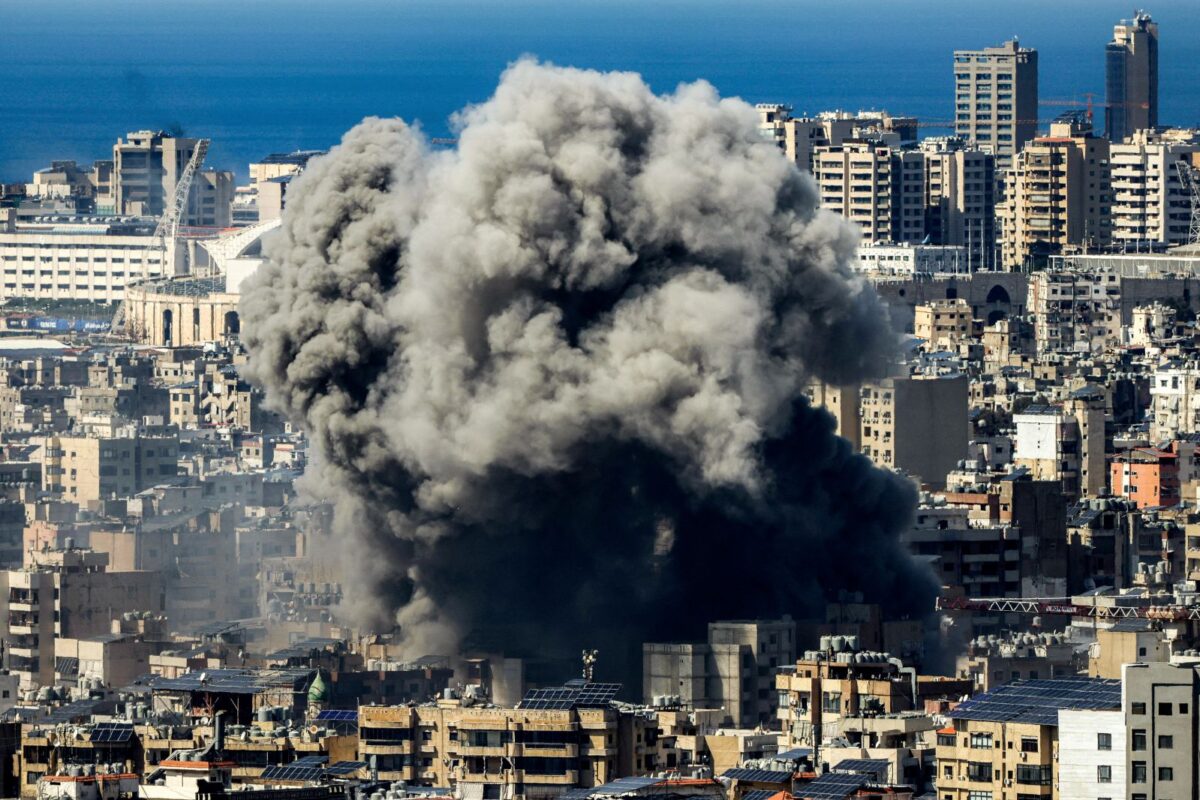
An Israeli strike on a building near the Ramada hotel in Beirut’s Raouche district on Sunday underscored the widening scope of the confrontation between Israel and Hezbollah, bringing the conflict into the heart of the Lebanese capital.
The attack, carried out by a drone, struck a residential building overlooking the Mediterranean in one of Beirut’s busiest coastal neighborhoods. Several people were killed and others wounded, according to health authorities, while emergency crews rushed to the scene as residents gathered around the damaged structure.
The strike was notable not only for its location but also for what it signals. Israeli operations in recent months have largely focused on southern border areas and Hezbollah strongholds, yet the Raouche strike suggests a willingness to target individuals or networks believed to be operating deeper inside Lebanon.
Israeli officials said the strike targeted figures linked to Iran’s regional network, claiming those killed were connected to logistical and intelligence operations supporting Hezbollah. Lebanese authorities have not publicly confirmed those claims.
The attack came as Israeli strikes intensified across several parts of Lebanon over the past week. Bombardment in the Bekaa Valley and southern regions has targeted what Israel says are weapons depots, launch sites, and command infrastructure belonging to Hezbollah.
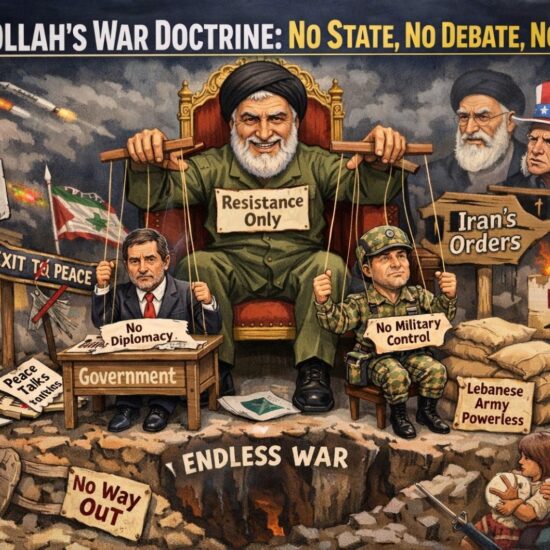
For the Lebanese government, the escalation highlights the increasingly difficult task of maintaining stability while navigating pressure from multiple fronts. Israeli officials have repeatedly warned that continued attacks from Lebanese territory will draw further retaliation, while domestic political divisions continue to complicate efforts to address Hezbollah’s military role.
In Lebanon:
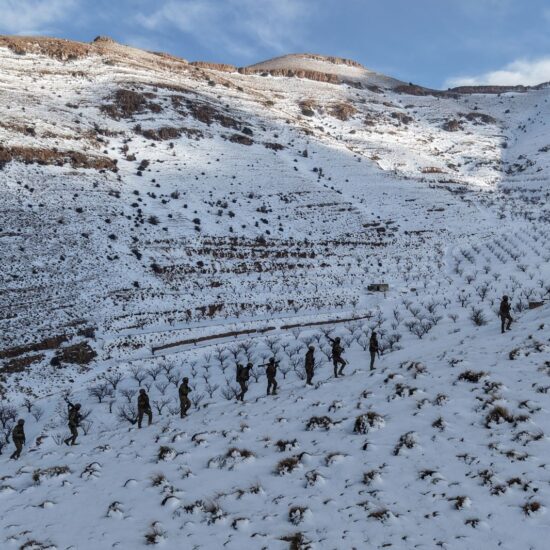
Israeli bombardment intensifies in the Bekaa: Israeli airstrikes struck several areas in the Bekaa Valley during the week, including the town of Nabi Chit and nearby villages. The attacks followed reports of an Israeli special forces operation in the area and were among the heaviest strikes recorded in eastern Lebanon in recent months.
Southern villages continue to face daily strikes: Israeli aircraft carried out repeated strikes across southern Lebanon, targeting towns and rural areas near the border. The attacks were aimed at locations Israel says are used by Hezbollah to store weapons or launch projectiles toward Israeli territory.
Hezbollah launches new cross-border attacks: Hezbollah said it carried out a series of rocket and drone attacks targeting northern Israel during the week. The group described the attacks as retaliation for Israeli strikes in Lebanon and part of its ongoing confrontation with Israel.
Government reiterates state authority over war decisions: Lebanese officials renewed calls for military actions to remain under the authority of the state, stressing that decisions of war and peace cannot be made outside official institutions. The statements come amid growing domestic and international scrutiny of Hezbollah’s role in the conflict.
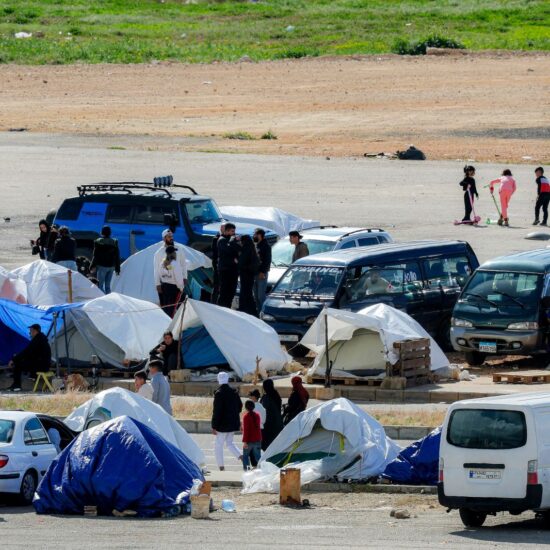
Humanitarian impact continues to grow: The ongoing escalation has continued to take a toll on civilians. Hundreds of people have been reported killed since the latest phase of fighting began, while large numbers of residents in southern border communities have been displaced as strikes and shelling persist.
Parliament debates postponing municipal and parliamentary elections: Lebanon’s political leaders are discussing whether upcoming elections should be postponed as the ongoing war continues to disrupt daily life across the country. With thousands displaced from southern villages and security concerns growing, officials say it may be difficult to organize voting safely in the current circumstances. The possibility of delaying the elections has sparked debate, with some warning it could weaken democratic processes, while others argue that holding a nationwide vote during a time of war may simply not be realistic.
Syrian President Ahmad al-Sharaa holds calls with Lebanese political leaders amid regional tensions: Syrian President Ahmad al-Sharaa held a series of phone calls with Lebanese officials and political leaders, including Prime Minister Nawaf Salam, former Progressive Socialist Party leader Walid Jumblatt, and Kataeb Party chief Sami Gemayel. During his call with Salam, Sharaa expressed solidarity with the Lebanese people amid ongoing Israeli attacks and displacement. His conversation with Jumblatt focused on regional developments and the need for coordination between Beirut and Damascus to address security challenges. With Sami Gemayel the phone call focused on regional tensions and the future of Lebanese-Syrian relations with a focus on the security along Lebanon’s northern and eastern borders where it was confirmed that Syrian forces have no intention of entering Lebanese territory and that their deployment near the frontier is solely aimed at securing Syria’s borders.
Israeli escalation in Dahye: Israel carried out new strikes in Beirut’s southern suburbs, including a raid targeting a branch of the Hezbollah-linked financial institution Al-Qard Al-Hassan Association in the Sfeir area. The attack is part of Israel’s continued targeting of Hezbollah-affiliated infrastructure in Lebanon amid the ongoing war.
In The Region
Iran expands retaliation across the Gulf: Regional tensions escalated sharply as Iran launched missile and drone attacks targeting several Gulf countries, including the UAE, Bahrain, and Kuwait. Most of the projectiles were intercepted by air defenses, but the incidents heightened fears that the confrontation could spread beyond the immediate Israel–Iran theater.
Gulf states tighten security and air defenses: Governments across the Gulf moved quickly to reinforce security measures and activate air defense systems following the attacks. Airports and key infrastructure were placed on heightened alert as authorities warned of potential further strikes.
Syria sees renewed Israeli strikes: Israeli aircraft carried out additional strikes in Syria targeting sites believed to be linked to Iranian-backed groups. The attacks reflect Israel’s broader effort to disrupt Iranian military networks operating across the region.
Saudi Arabia pushes regional diplomacy amid rising tensions: Saudi Arabia has stepped up diplomatic efforts as tensions across the Middle East continue to rise. Saudi officials have held talks with regional and international partners in an effort to prevent the conflict from spreading further as it warned Iran not to target its territory or energy infrastructure and signaled it could retaliate if attacks continue.
What we’re reading:
A test of sovereignty: Can Lebanon’s government enforce its decision on Hezbollah? In her analysis piece for NOW Lebanon, Rodayna Raydan examines whether the Lebanese government can realistically enforce its pledge to restrict military activity to the state and curb Hezbollah’s operations. The situation, the article suggests, represents a critical test of Lebanon’s sovereignty and the credibility of its institutions amid the ongoing war.
From “Shoe Shiners” to War Refugees: The Lie That Captured Lebanon’s Shiites: In this opinion piece, Makram Rabah, NOW Lebanon’s managing editor argues that Hezbollah built much of its support among Lebanon’s Shiite community by framing itself as a force that lifted marginalized Shiites from poverty and humiliation. The article argues that decades of conflict and political control have instead left many Shiite communities facing displacement, economic hardship, and growing uncertainty.