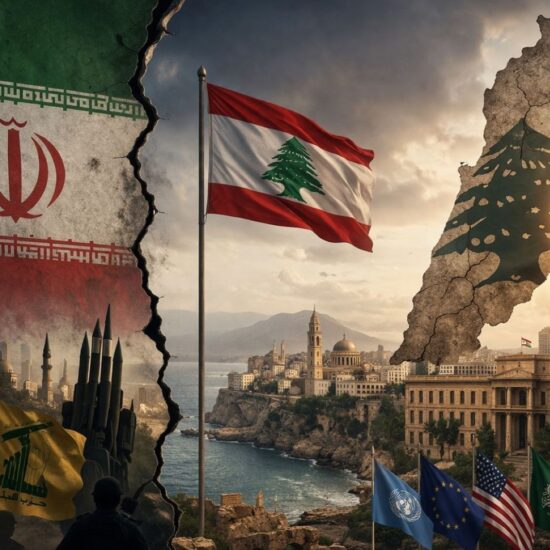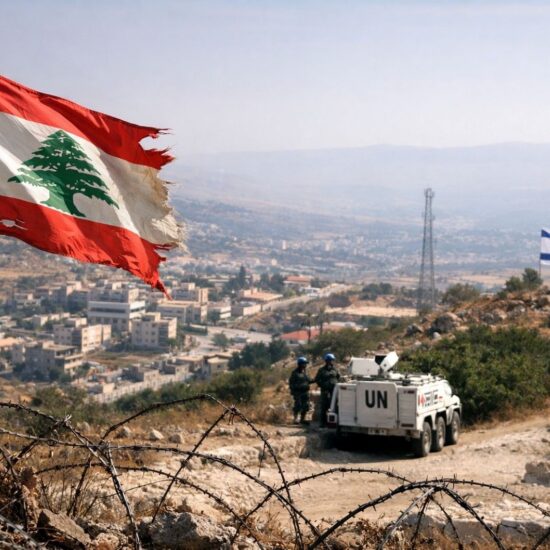
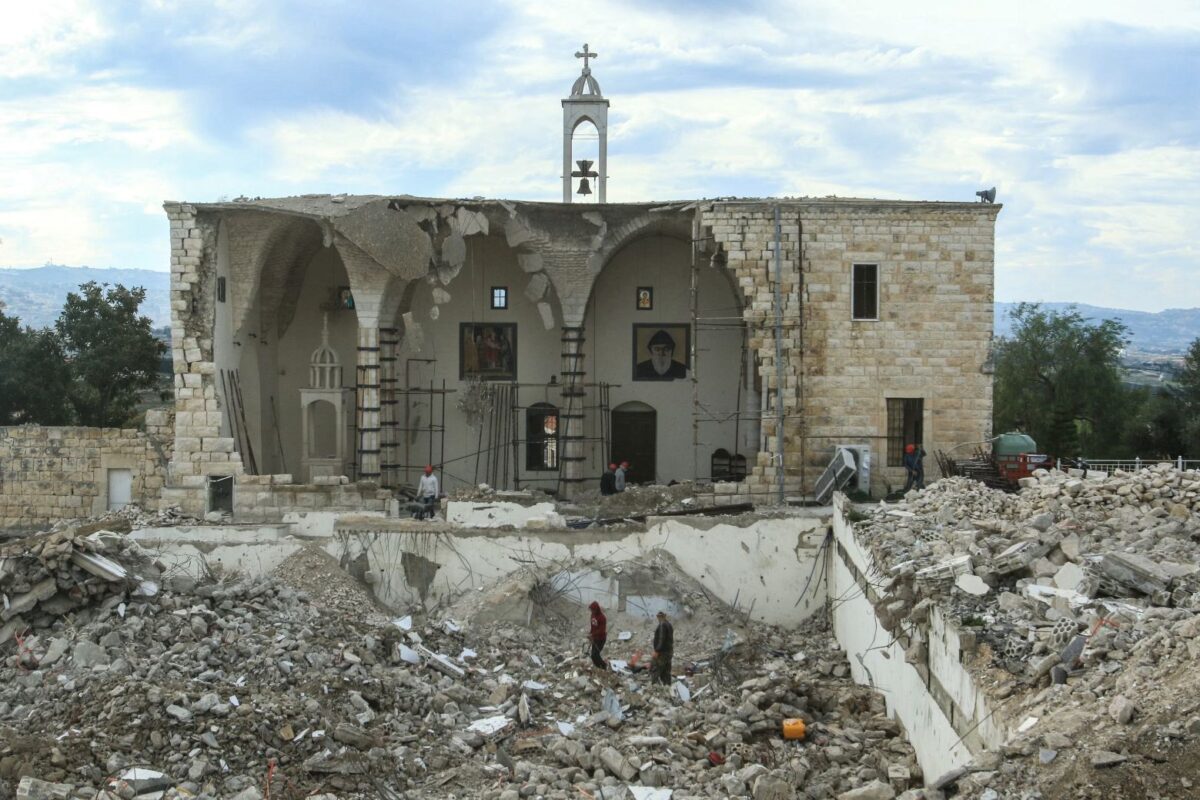
Lebanon moved closer to one of the most consequential commitments of the 2024 ceasefire with Israel, after Prime Minister Nawaf Salam announced that the first phase of disarming Hezbollah south of the Litani River is just “days away” from completion under a government-led security plan. The step marks a key deadline in the U.S.-backed ceasefire framework and comes amid continued regional tensions, mounting diplomatic pressure from Washington, Paris and Riyadh, and ongoing Israeli strikes accusing Hezbollah of breaching the truce. If completed, the milestone could significantly reshape Lebanon’s security balance and strengthen state authority over armed groups.
Lebanon has pushed forward with a government-mandated plan to disarm Hezbollah’s military presence south of the Litani River, a key condition of the 2024 ceasefire with Israel. Prime Minister Nawaf Salam said late last week that the first phase of the weapons consolidation plan, specifically in the area south of the Litani is “only days away” from completion, reflecting accelerated efforts by the Lebanese state and army to implement one of the most sensitive elements of the truce.
Salam made the remarks after receiving Simon Karam, head of the Lebanese delegation to the Mechanism Committee overseeing ceasefire arrangements, and stressed the need to give full political and logistical support to the Lebanese Armed Forces (LAF) so they can carry out their national duties. The government has made it clear that once this phase ends, it intends to move to a second phase focused on areas north of the Litani River, based on a comprehensive plan developed by the LAF under a formal government mandate.
Implementation has involved a gradual increase of the Lebanese Army’s presence in southern Lebanon as part of its broader “state monopoly on arms” strategy, which was endorsed by the cabinet earlier this year. Officials say that the army has even uncovered an underground military facility belonging to Hezbollah in Kafra village, containing weapons and equipment that are being transferred under coordinated efforts with the Mechanism Committee, though Hezbollah has not officially commented on the discovery. Observers and government sources describe the operation as a tangible test of state capacity to assert authority in areas long dominated by non-state armed actors.
The drive comes amid persistent external pressures, particularly from the United States, France and Saudi Arabia, which have been urging Beirut to fulfill ceasefire commitments before the year-end deadline.
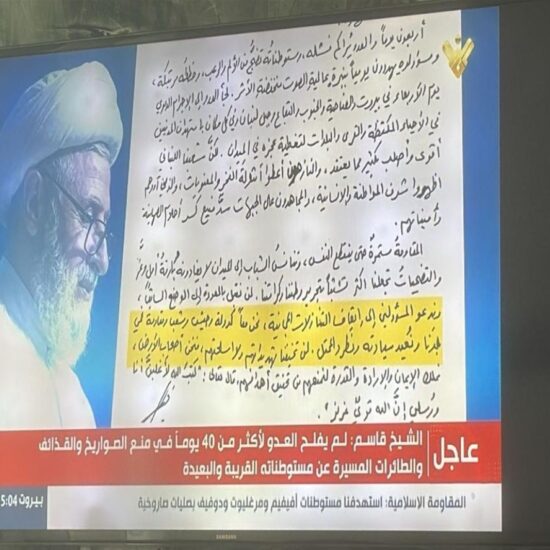
Lebanon’s leadership, including President Joseph Aoun has backed the army’s expanded role and highlighted this moment as central to restoring state control over territory and reducing the likelihood of renewed conflict with Israel. However, the effort remains diplomatically and politically complex: while the government and its international partners frame the process as a step toward stability and sovereignty, tensions continue along the border with Israel, which has carried out strikes it says target Hezbollah positions, and Hezbollah itself has resisted relinquishing its arsenal, arguing that disarmament amid ongoing Israeli military pressure would jeopardize Lebanese security.
In Lebanon
Lebanon nears key ceasefire deadline – Hezbollah disarmament: Lebanon appears to be edging toward one of the most critical milestones of the 2024 ceasefire agreement with Israel, after Prime Minister Nawaf Salam announced that the first phase of consolidating and removing Hezbollah’s weapons south of the Litani River is “only days away” from completion. The implementation is being led by the Lebanese Army under a government-approved security plan designed to gradually place all weapons under state authority. This comes as mediation efforts intensify, with U.S., French and Saudi diplomats pressing Beirut to meet the end-of-year ceasefire commitments and stabilize the border.
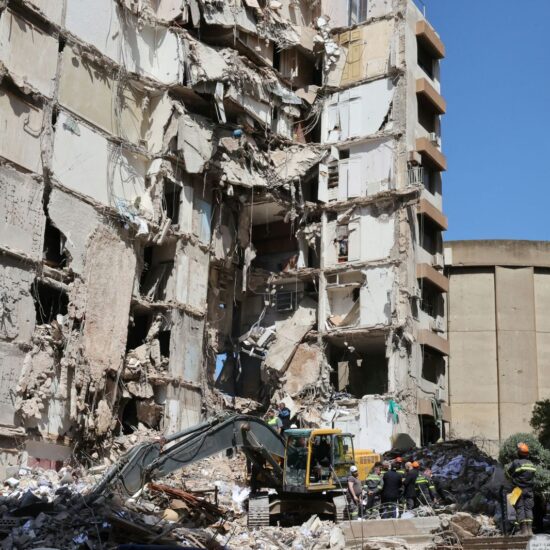
Continued cross-border tensions and airstrikes: Despite the ceasefire framework and ongoing diplomatic negotiations, tensions along the Lebanese-Israeli border remained high this week. Israeli strikes hit several areas in southern and eastern Lebanon, targeting what Israel claims are Hezbollah sites and infrastructure. Lebanese authorities reported casualties and injuries, including among civilian sectors such as employees of the state electricity company. These incidents have heightened concerns domestically that the fragile calm could escalate, complicating efforts to advance the disarmament roadmap and raising fears that renewed escalation could undermine months of political and security negotiations.
Economy – draft financial law and accountability moves: On the economic front, the government introduced a new draft financial recovery law aimed at addressing the devastating banking crisis that has crippled Lebanon since 2019. The proposal reportedly focuses on mechanisms for gradual repayment of deposits, restructuring remaining losses, and strengthening oversight, including an emphasis on auditing Central Bank assets. The move is seen as critical to restoring confidence, unlocking further engagement with the International Monetary Fund, and showing progress on long-stalled reforms. At the same time, legal developments continued to ripple through Lebanon’s political sphere as former Economy Minister Amin Salam was released on bail in connection with a financial crime case, a development that underscores both ongoing accountability efforts and the controversy surrounding responsibility for Lebanon’s economic collapse.
Parliamentary and institutional developments: Parliament Speaker Nabih Berri called joint sessions for key parliamentary committees during the week, signaling renewed movement within Lebanon’s stalled political institutions. The planned meetings are expected to tackle priority legislation tied to governance, financial policy and reform measures, as the country continues to face pressure domestically and internationally to demonstrate institutional functionality and credible legislative progress.
Social and public life – A Christmas like no other: Amid the ongoing political, economic and security uncertainty, Beirut and several Lebanese cities have continued to mark the holiday season, with Christmas events, festivals and public gatherings bringing much-needed moments of normalcy and celebration. Seasonal attractions, including family-oriented festivities such as Elf Town have drawn large crowds, reflecting both resilience and a public desire for relief in a year dominated by crisis, tension and uncertainty.
In The Region
Gaza & West Bank: Ceasefire tension and renewed casualties: Across the region, Israel–Palestine tensions remained volatile, with reports of continued Israeli ceasefire violations leading to renewed casualties in both Gaza and parts of the West Bank. Despite ongoing international mediation and diplomatic pressure to preserve fragile truce arrangements, humanitarian conditions remain dire, and fears persist that renewed escalation could derail political efforts and deepen instability.
Syria’s security and attacks against ISIS: Meanwhile in Syria, the United States carried out major retaliatory strikes against ISIS positions following attacks targeting U.S. forces. The strikes reaffirm Washington’s continued military footprint in Syria and highlight that ISIS remains an active security threat, reigniting debate over the future of U.S. deployments and the broader security landscape in eastern Syria.
Gulf economic strengthen amid oil gains and rate-cut hopes: In the Gulf, regional markets recorded notable gains over the weekend, supported by rising oil prices and expectations of potential U.S. interest rate cuts, which helped lift investor sentiment. The movement reflects how closely Gulf economies continue to track global financial shifts and energy market dynamics. The developments come as Gulf states continue pushing diversification agendas while still remaining highly sensitive to global economic momentum.
Yemen: Southern Transitional Council expands influence In Yemen, tensions escalated as the Southern Transitional Council (STC) expanded its military and political presence across key areas in southern and eastern Yemen. The developments heightened friction with the internationally recognized government, threatening to complicate already fragile political negotiations. The escalation risks undermining mediation efforts and deepening instability in one of the region’s most protracted conflicts.
Sudan Crisis: Egyty warns against fragmentation amid ongoing conflict: Egypt has stepped up its diplomatic messaging over the ongoing conflict in Sudan, warning that any attempt to fragment the country would be unacceptable and pose a direct threat to regional stability. During high-level talks in Cairo between Sudanese army chief Gen. Abdel Fattah Al Burhan and President Abdel Fattah El Sisi, both sides emphasized the importance of preserving Sudan’s territorial integrity and strengthening its sovereign institutions.
What We’re Reading
In his latest NOW Lebanon column, Makram Rabah, NOW’s managing editor argues that Lebanon’s involvement in the Naqoura process marks a necessary shift from militarized ceasefire management toward political and state-led engagement. He explains that for years the country’s dealings with Israel were dominated by opaque security mechanisms that sidelined civilian oversight and weakened state authority. By introducing a civilian diplomatic role into the talks, Rabah says Lebanon is reasserting sovereignty and normal international practice, where governments negotiate and militaries implement.
In her latest analysis piece for NOW Lebanon, Rodayna Raydan outlines why Lebanon’s draft seed law has stirred deep concern among farmers, environmental activists, and food sovereignty advocates. The proposed legislation, intended to regulate the trade in seeds and plant material, risks privileging commercial, hybrid seeds and corporate interests over traditional “baladi” seeds that are central to Lebanese agriculture, rural culture, and resilience to climate stress.
In his NOW Lebanon opinion piece, Ramzi Abou Ismail uses Ali Hijazi’s political recalibration to explore a broader shift in Lebanese politics, where staying relevant has become more important than holding firm to ideology. Hijazi, a marginal figure leading Lebanon’s Ba’th party, recently tried to soften his ties to regional projects and emphasize Lebanese symbols like the cedar to boost local legitimacy, an adjustment, the author argues, driven less by conviction than by political survival.