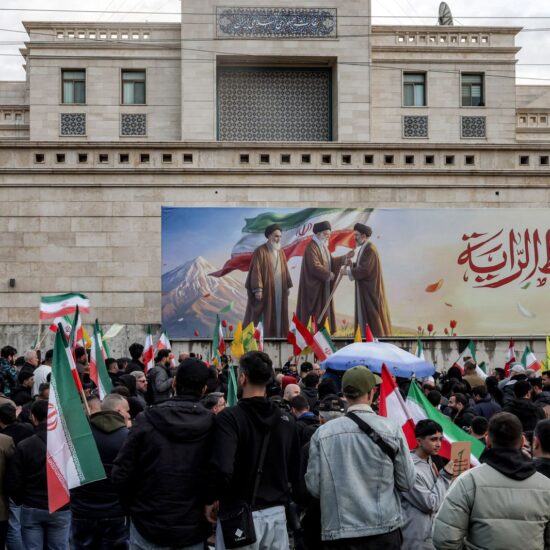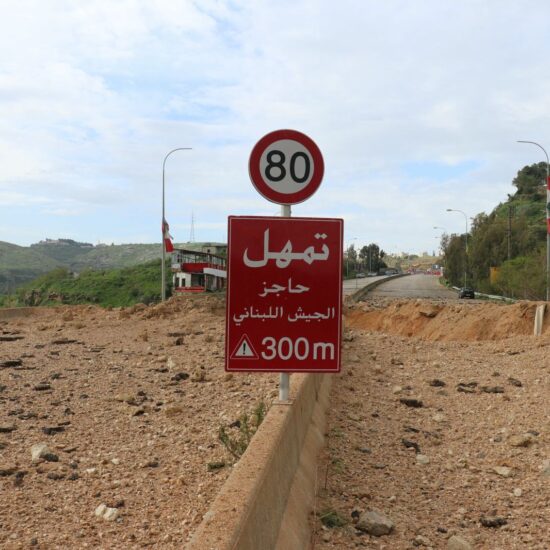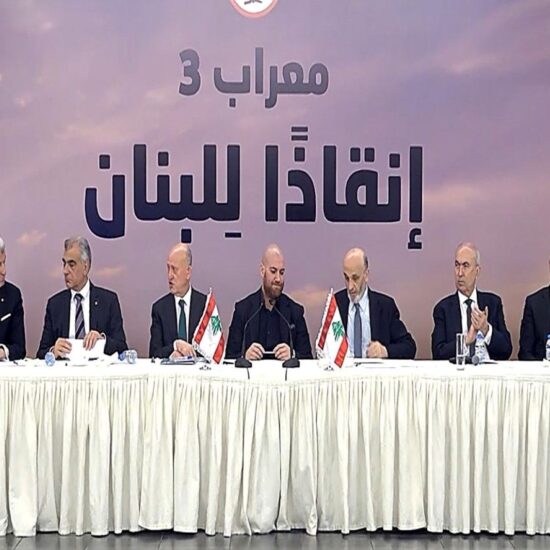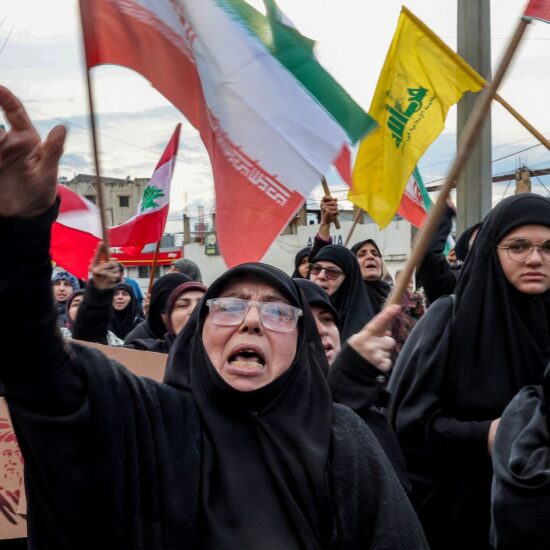
The Gulf countries are rethinking how to finance Lebanon’s reconstruction as the war between Hezbollah and Israel devastates the country, experts told NOW. Future payments will likely hinge on the outcome of the war and Hezbollah’s role within the state.
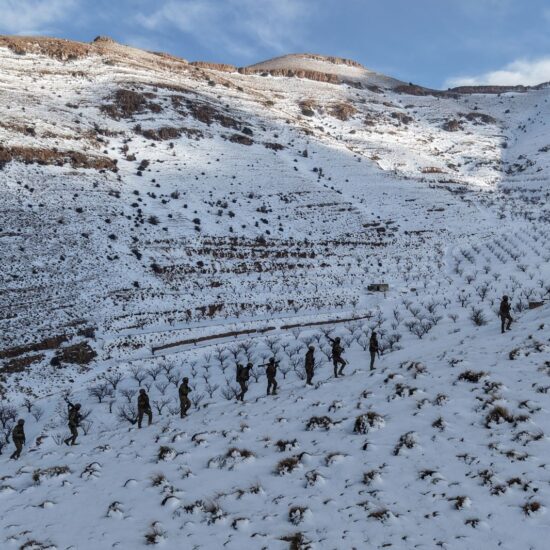
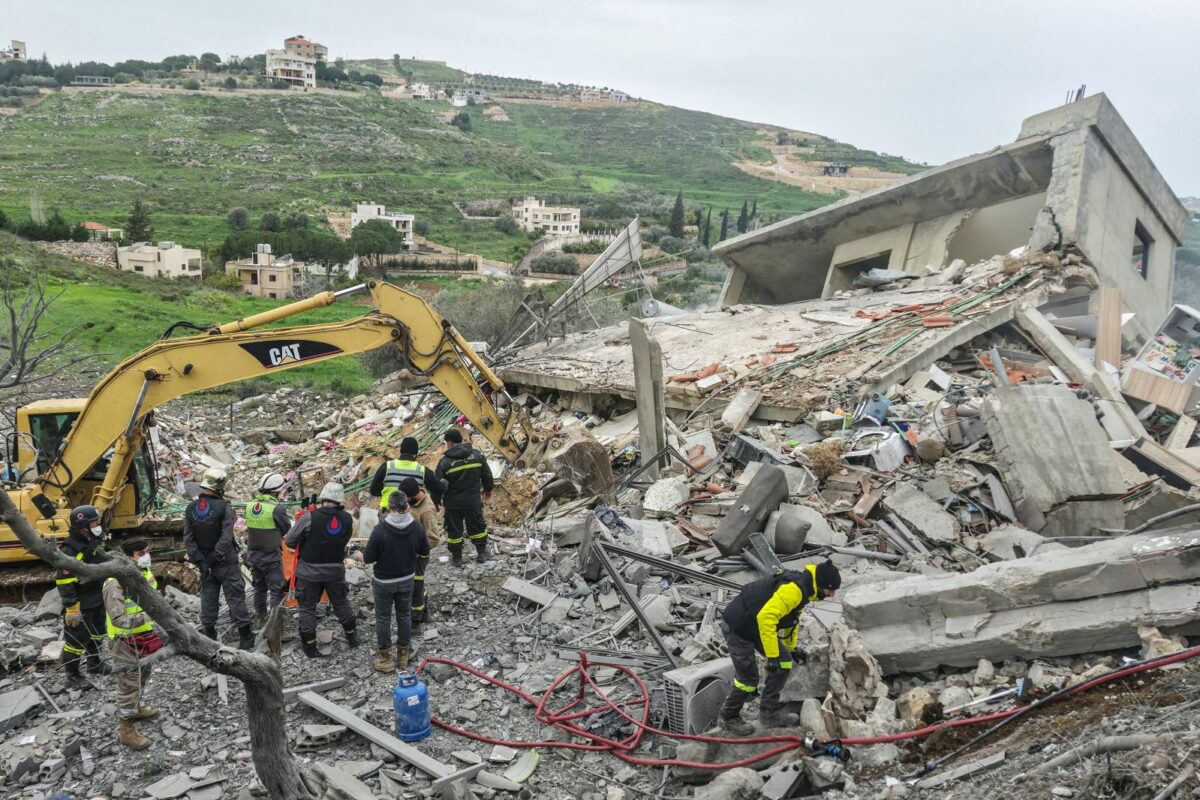
For more than a month, Lebanon finds itself in the middle of a war between Hezbollah and the Israeli army. The fighting caused widespread destruction and displacement, with no clear end in sight. The future of Lebanon’s reconstruction “depends on how the war ends,” Lebanese researcher Nazih Darwish told NOW.
At the end of the war, Lebanon will face a reconstruction bill running into billions of dollars. But the era of unconditional Gulf support appears to be over.
At the end of the war, Lebanon will face a reconstruction bill running into billions of dollars. But the era of unconditional Gulf support appears to be over. The financial context has changed. “The whole world is in an economic crisis, not only here. The future is uncertain,” Mona Fayad, professor at the Lebanese University, said.
For regional powers seeking stability, the question is no longer simply how to rebuild — but under what conditions and with what goal. A central concern is Hezbollah’s continued influence. If the militia retains significant power after the war, Gulf states may hold back, experts say.
External support will be based on whether the Lebanese state can assert full sovereignty. “Since our state has not met these conditions, the Arab countries will under these circumstances not provide aid,” Fayad said. By contrast, if Iran and its proxy Hezbollah severely suffer in the war, there is a high likelihood of Arab states massively funding the reconstruction in Lebanon, Darwish argued.
Development with strings attached
“The Arab community will not put a penny into Lebanon, if that money is used by Hezbollah,” TV presenter Nadim Koteich told NOW. But another option is that the Gulf countries use their reconstruction funds as a political tool — to diminish Hezbollah’s support base.
“For Hezbollah, resistance is the brand, but services are the product,” Koteich said. The militia provides health care, education, cash payments and even infrastructure in its areas of control. Through this system, Hezbollah has maintained its support in the south.
Gulf-backed reconstruction efforts may seek to dismantle this model. According to Koteich, rebuilding could begin in southern towns less dominated by Hezbollah, creating rifts designed to shift local opinions. “They will start asking: ‘Why is my village not rebuilt? The answer is obvious: because Hezbollah controls it.”
The approach relies on peer pressure, Koteich said. “You begin gradually, in small steps, using hardship as leverage.” With more and more villages being rebuilt, people in towns which are Hezbollah strongholds will also want to profit from the rebuilding efforts. But for them to benefit, they would have to turn their back on Hezbollah.
“The naive post 2006 war approaches are over”
This approach would mark a shift from the aftermath of the 2006 war between Hezbollah and Israel. At the time Gulf states including Saudi Arabia, Qatar and Kuwait funded rebuilding in southern Lebanon.
The objective was “either to alleviate suffering or gain leverage over the warring parties,” Koteich claimed. This time, funding will be structured to strengthen state institutions and weaken Hezbollah’s support base. “No one will do charity work anymore. The naive post 2006 war approaches are over,” he added.
After the 2006 war reconstruction took between three and five years, Darwish explained. While housing damage today may be more severe in parts of the south, “the extent of damage to infrastructure throughout Lebanon is still less than it was in the 2006 war.” 20 years ago Israel destroyed not only bridges over the Litani River, but also parts of the airport in Beirut and Lebanese energy infrastructure.
Building a national identity
Through this new approach, the Gulf seeks to break Hezbollah’s social contract, and offer real economic alternatives. “You make your choice, and it comes with a price — you carry the responsibility for supporting Hezbollah,” Koteich said.
Instead of Hezbollah flags everywhere, the state would have to heavily rely on symbolism like the Lebanese flag and the army to help build the national identity among all Lebanese, he said. “Such symbols are non-negotiable and act as a counter-narrative to Hezbollah,” he argued.
Like this, “reconstruction follows a de-radicalization framework,” Koteich said.
A fragile state under pressure
For Gulf states, this war has caused a deeper reassessment, Koteich argues. Past reconstruction efforts have failed to deliver lasting stability in Lebanon. “They can’t just give money and then rebuild Lebanon all over again a few years later,“ said Mona Fayad. Their objective now is more ambitious: to push Lebanon toward a functioning government. “They want Lebanon to be a normal country.”
Lebanon’s government remains too weak to manage the crisis alone. It lacks both the resources to support displaced populations fully and the capacity to bring the war to an end.
Lebanon’s government remains too weak to manage the crisis alone. It lacks both the resources to support displaced populations fully and the capacity to bring the war to an end. With thousands of homes destroyed, reconstruction needs will be vast. After the war, “the state must continue to disarm Hezbollah with international help and stop corruption,” Fayad said.
But the obstacles are significant. The Lebanese state has struggled to implement its own decisions during the war, from confronting Hezbollah militarily to curbing Iranian influence. Efforts to enforce control south of the Litani River have faltered, as fighting continues.
Against that backdrop, Fayad sees a growing dependence on external intervention. According to her, to international donors — at the UN level and elsewhere — the government must say, “come help us contain Hezbollah’s weapons, otherwise Lebanon will be destroyed.”