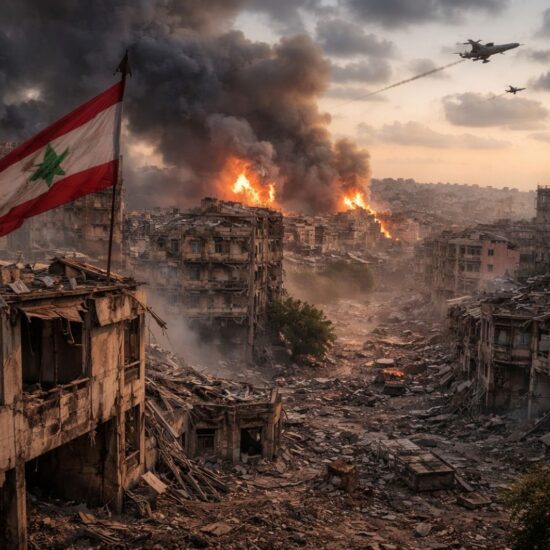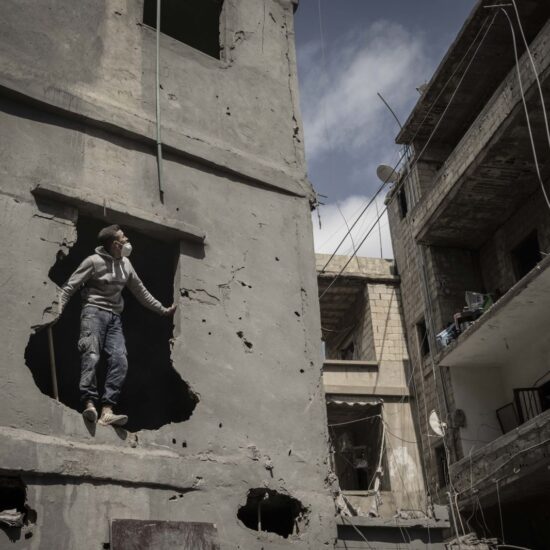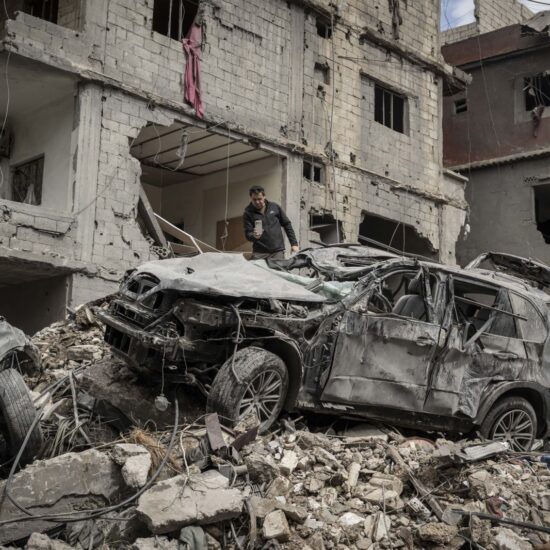
Lebanon today acts like an ostrich burying its head in the sand, while simultaneously invoking the patience of Ayoub ( Job) waiting for crises to resolve themselves without decisive action. The country behaves as if history is a storm that passes, not one that redraws maps. Yet the storm is approaching, and the state’s habitual inaction risks turning inevitability into catastrophe.
If a direct clash involving Iran, Israel, or the United States ignites a wider war, what is Lebanon’s plan? Not the rhetoric. Not the reassurances. The actual plan.
After the worst financial collapse in its modern history, an implosion that erased savings, shrank the economy by more than half since 2019, and hollowed out state capacity, Lebanon can ill afford strategic ambiguity. And yet ambiguity is precisely what defines it. There is no clearly articulated national security doctrine. No transparent crisis command structure. No undisputed authority over the decision of war and peace.
Lebanon survives by waiting. Waiting for mediation. Waiting for de-escalation. Waiting for external actors to calibrate their red lines. But waiting is not neutrality. It is abdication disguised as prudence.
Internationally, Lebanon is not treated as a strategic architect. It is viewed through a narrow prism: a security frontline and a platform for Hezbollah; a humanitarian liability; a state to be contained rather than empowered. Sovereignty, in practice, is measured by who controls the use of force. On that measure, Lebanon remains contested terrain.
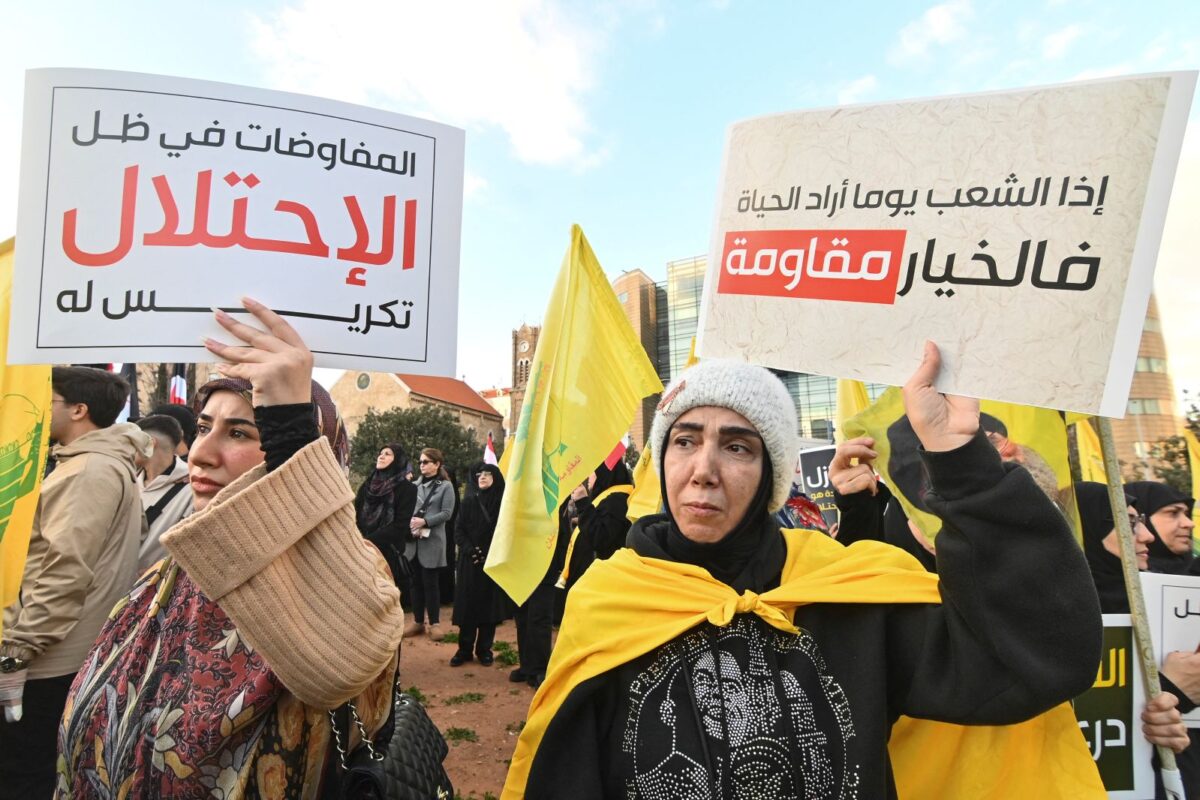
Hezbollah describes its posture as deterrence. Critics argue it binds Lebanon to Iranian strategic calculations. Supporters insist it prevents Israeli aggression. Both arguments may contain elements of truth. But neither resolves the central question: who ultimately decides whether Lebanon enters a regional war?
When Speaker of Parliament Nabih Berri reportedly conveyed that Lebanon would not officially support Iran in the event of a strike, while acknowledging Israel might target Lebanon regardless, he exposed the state’s dilemma. Lebanon may be dragged into war whether it consents or not. That is not strategic depth. That is strategic vulnerability.
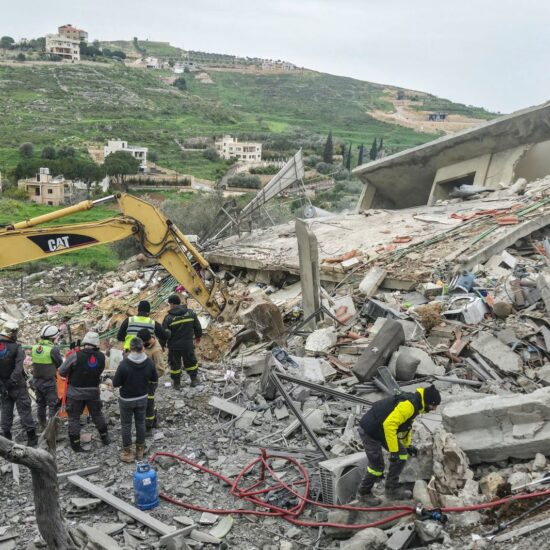
War is not inevitable. But paralysis increases probability. Divided authority invites miscalculation. Economic fragility magnifies every external shock. A country without financial resilience or unified command cannot absorb prolonged confrontation without catastrophic consequences.
Lebanon often invokes two metaphors: the ostrich and the patience of job. The ostrich buries its head. Job endures suffering with faith. But job endured trials he did not choose. States are not prophets. They are meant to govern, decide, and prevent preventable disasters.
Patience is a virtue when hardship is unavoidable. But patience as policy is just negligence.
When endurance becomes doctrine and waiting replaces planning, faith turns into fatalism.
The danger today is not only missiles or militias. It is the normalization of passivity.
Three futures are conceivable. A contained escalation. A destructive war that devastates already fragile infrastructure. Or a regional deal that spares Lebanon by coincidence rather than competence. In each case, Lebanon’s trajectory is shaped largely by decisions taken elsewhere.
That is the uncomfortable truth, the absence of a clear Lebanese doctrine makes the country a theater, not an actor.
The remedy is not grand speeches or performative neutrality. It is institutional clarity. A transparent declaration of who holds authority over war and peace. A unified crisis framework. A credible economic contingency plan. A message to allies and adversaries alike that Lebanon will not serve as an open arena for regional score-settling.
Lebanon’s leaders cannot continue invoking patience while outsourcing responsibility. History rarely punishes states for being cautious. It punishes them for being unprepared.
The region may soon be reshaped by confrontation. When that moment arrives, Lebanon will either demonstrate that it governs itself, or confirm that others govern it.
Storms do not wait for those who believe patience alone will part the clouds.
The question is no longer whether the region will change. It is whether Lebanon will decide to change with it, or continue waiting for others to decide on its behalf.
Elissa E Hachem is a journalist and political writer specializing in regional affairs and governance. Former Regional Media Advisor at the U.S. State Department’s Arabic Regional Media Hub, with broad experience in strategic communication across government and private sectors.
The views in this story reflect those of the author alone and do not necessarily reflect the beliefs of NOW.