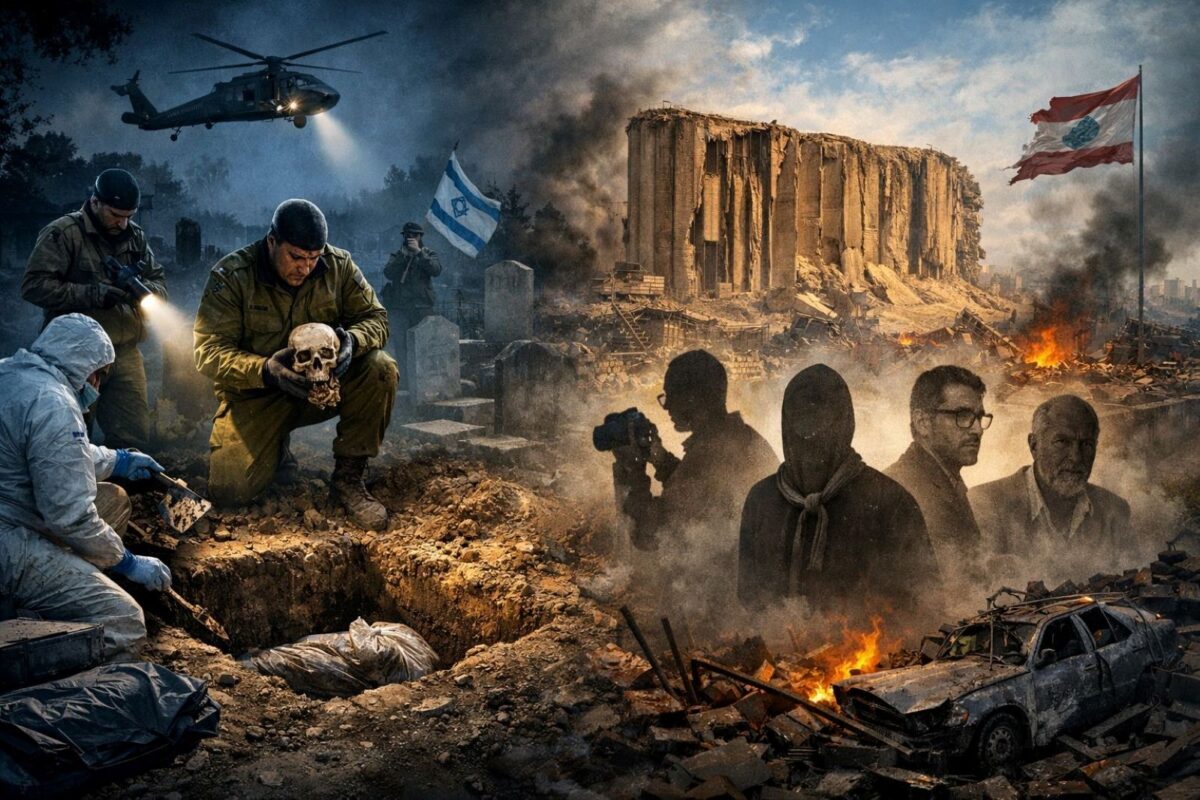
Forty years ago, Israeli pilot Ron Arad disappeared after his aircraft went down over Lebanon. From that moment, the Israeli state never stopped searching for him. Governments changed, wars came and went, and entire generations grew up, yet the file remained open. Israel mobilized intelligence agencies, opened archives, conducted operations across borders, and paid political and security costs simply to answer a basic question: What happened to him?
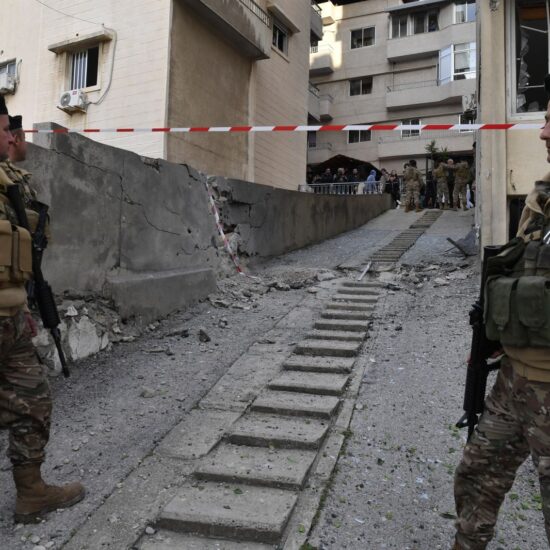
The night raid of the Israeli special forces on the village of Nabi Shit was part of an effort to retrieve Arad’s remains.
The story is not remarkable because states search for their missing soldiers. Many do. What makes it striking is the contrast it exposes with Lebanon itself.
The story is not remarkable because states search for their missing soldiers. Many do. What makes it striking is the contrast it exposes with Lebanon itself.
For decades, the Lebanese state has shown little ability—or willingness—to pursue justice for its own victims.
Take the Beirut Port explosion of August 2020, one of the largest non-nuclear explosions in modern history. The blast destroyed large parts of the capital, killed more than 200 people, and injured thousands. Yet years later, the investigation remains obstructed by political interference and institutional paralysis.
Or consider the case of Joseph Sader, a Middle East Airlines employee abducted in Beirut in 2009 and never seen again.
Or the assassination of Lokman Slim, a prominent intellectual and critic of Hezbollah, murdered in southern Lebanon in 2021.
Or the killing of Joe Bejjani, shot outside his home in Kahaleh in 2020.
Or the murder of Elias Hasrouni, a Lebanese Forces official killed in 2023. The list of crimes most of which are related to Hezballah are endless to list here.
In each case, the outcome has been the same: silence, obstruction, and impunity.
The comparison is not meant to praise one country or condemn another. Rather, it highlights a fundamental principle: a functioning state defends the dignity of its citizens in life and in death. It searches for the missing. It investigates crimes. It confronts those responsible.
Lebanon increasingly does none of these things.
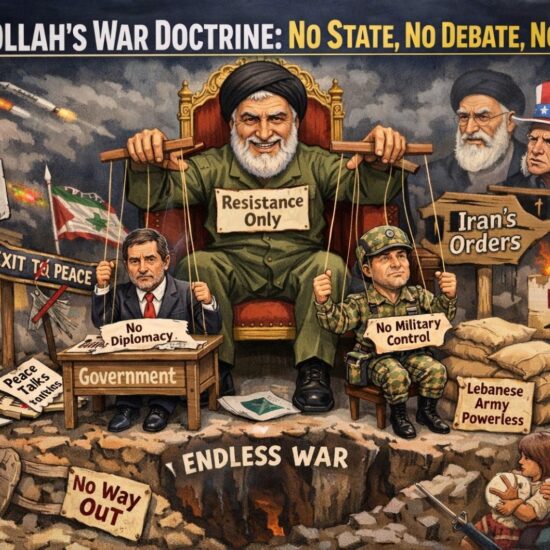
Instead, it has become a state in form but not in substance—a hollow structure where decisions of war and peace are made outside official institutions, and where justice for victims is routinely subordinated to political expediency.
The most troubling part is that many Lebanese are now urged to accept this reality in the name of stability. They are told that pursuing accountability risks provoking conflict. That demanding justice could reopen old wounds. That silence is the price of avoiding civil war.
But a society that is asked to abandon justice for the sake of “stability” is not preserving peace. It is merely institutionalizing impunity.
Today, Lebanon finds itself once again at the edge of a devastating regional confrontation—one that could drag the country into war not because of a national decision, but because of the calculations of a militia tied to Tehran.
At that point the question becomes unavoidable: what is a state worth if it cannot protect its citizens, defend their lives, or even seek the truth about their deaths?
Until Lebanon answers that question, the tragedy of its victims will not end with their deaths. It will continue in the indifference of the state that failed them