In recent days, talk of an imminent American strike on Iran has once again receded. Diplomatic channels reopened. Timelines stretched. Threats softened into negotiations. For many in Lebanon, this has triggered a familiar emotional cycle: disappointment for some, relief for others but for most, a quiet return to waiting. That reaction itself is the problem.
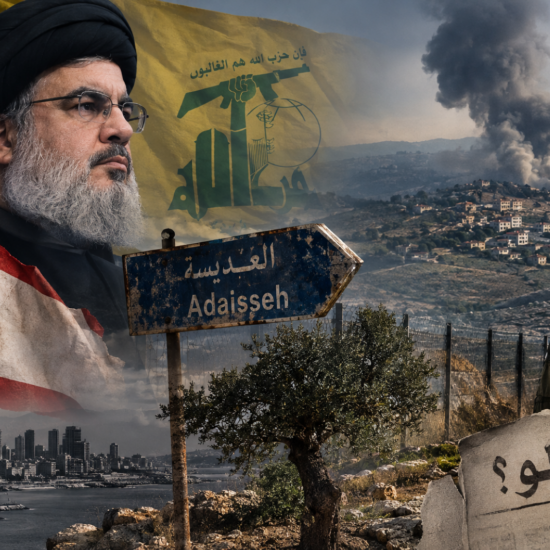
Lebanon has increasingly organized its political imagination around the hope that something external will eventually resolve what it has been unable – or unwilling – to confront internally. Whether framed as an American strike, a weakening of Tehran, or the eventual collapse of the Iranian regime, the underlying assumption remains the same: time and pressure will do our political work for us. They won’t.
The illusion of external salvation
The belief that a strike on Iran would weaken its regional influence and by extension loosen the grip of non-state actors in Lebanon misunderstands how political systems behave under threat. External pressure does not dissolve power structures automatically. More often, it reorganizes them.
In Iran, sustained threat has repeatedly produced regime consolidation rather than collapse: elite cohesion, repression justified through sovereignty narratives, and the marginalization of internal opposition under the language of national survival. A military strike without a credible political “day after” would almost certainly accelerate that dynamic, not reverse it.
But Lebanon’s problem runs deeper. Even if Iran were weakened. Even if its regime were destabilized; there is no automatic translation from stress in Tehran to sovereignty in Beirut.
States are not inherited by default. They are constructed through decision, consensus, and institutional authority. None of those can be outsourced to American firepower.
How escalation reshapes Lebanon, regardless of outcome
For Lebanon, regional escalation creates a different but equally damaging logic.
When threat levels rise, ambiguity becomes a liability. Political pluralism slows decision-making. Institutional weakness is exposed. In such moments, legitimacy does not flow from representation or constitutional process. It flows from perceived readiness.
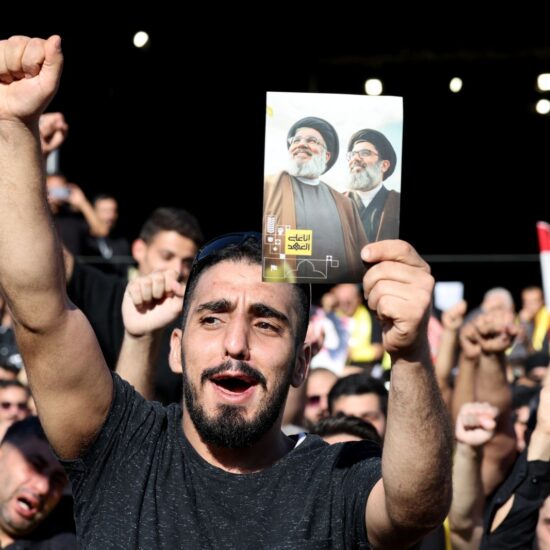
Actors that can decide quickly, act coherently, and signal control benefit structurally from escalation. Actors that rely on consensus, procedure, or delayed authority do not. This is not about ideology or intent; it is about organizational form.
Every escalation toward Iran compresses political time inside Lebanon. It forces the country to move from negotiation to alignment, from debate to binary survival. And Lebanon always loses in that compression, because the state is least equipped to function under it.
This is why escalation, even when it does not produce war, quietly reshapes internal power balances. And this is why waiting for Iran to weaken does not strengthen the Lebanese state; it further sidelines it.
The fantasy of the “clean strike”
Some Lebanese continue to imagine a scenario in which an American strike surgically weakens Iran, dismantles its regional networks, and leaves Lebanon freer by default. This fantasy ignores three basic realities.
First, military strikes degrade capabilities; they do not erase political networks. Regional influence is not a switch that turns off with airstrikes.
Second, even a weakened Iran does not generate a Lebanese state. No external actor can build internal legitimacy on Lebanon’s behalf.
Third, and most importantly, the absence of escalation does not mean stability. The “day after” problem applies not only to war, but also to non-war. Lebanon has no plan for either.
Everyone asks what happens the day after a strike on Iran. Almost no one asks what happens the day after nothing happens, after talks resume, threats fade, and Lebanon returns to suspension. That suspension is not neutral. It is corrosive.
Waiting as political decay
Waiting is often framed as caution, patience, or realism. In Lebanon’s case, it has become a strategy of avoidance.
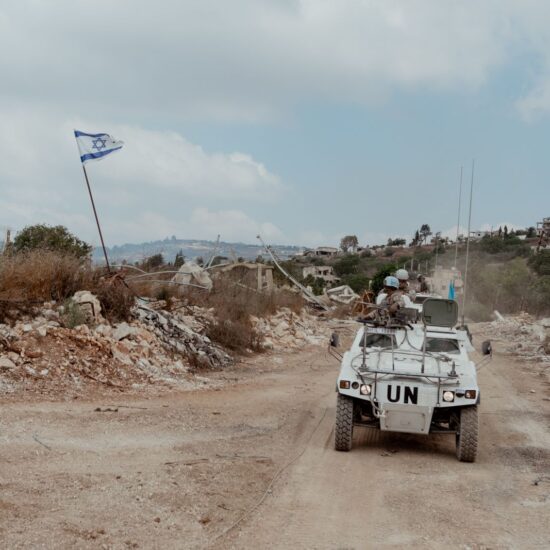
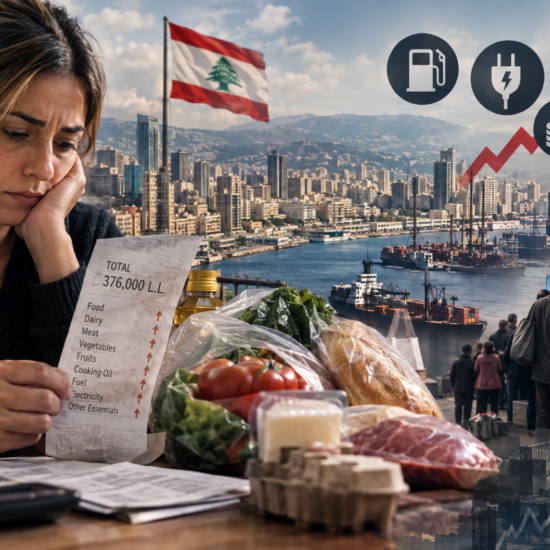
Every month spent waiting for regional outcomes to decide Lebanon’s fate deepens institutional erosion, normalizes paralysis, and raises the cost of any future attempt to reclaim state authority. Sovereignty becomes symbolic language rather than usable power. Governance becomes rhetorical rather than operational. Silence under these conditions is not stability. It is slow political liquidation.
The uncomfortable truth is this: Lebanon’s crisis will not be resolved by the collapse of another regime, whether that collapse comes through sanctions, strikes, or negotiations. It will be resolved only when Lebanese actors stop treating regional escalation as a substitute for domestic political choice. External pressure can destroy. It can deter. It can intimidate. What it cannot do is make decisions we refuse to make ourselves. And the longer Lebanon waits for someone else to act, the less capacity it retains to act at all.
Ramzi Abou Ismail is a Political Psychologist and Senior Research Fellow at the Institute for Social Justice and Conflict Resolution at the Lebanese American University.
The views in this story reflect those of the author alone and do not necessarily reflect the beliefs of NOW