A City on the edge
Tripoli, Lebanon’s second-largest city, has long been a hub of economic and social activity in the north, yet it remains deeply affected by political neglect. Decades of conflict, including the civil war and intermittent clashes in neighborhoods like Bab al-Tabbaneh and Jabal Mohsen, left many buildings damaged and poorly maintained. Despite repeated warnings from engineers and local authorities, hundreds of structures were never reinforced or evacuated, leaving residents in daily uncertainty.
“The city has been living with this risk for decades,” said Abdulrahman Dernayka, Tripoli-based publisher of Al-Hawiya News, to NOW. “This is not sudden. The collapse has been going on for a long time.”
Structural engineers have repeatedly noted that hundreds of Tripoli’s buildings are unsafe. Estimates suggest that between 800 and 1,000 structures require urgent attention, with rehabilitation costs reaching tens of millions of dollars funds that were never prioritized for the city.
Foreseen tragedy
For Dr. Jinan Abdulkader, an academic and political activist who lives in Tripoli, the framing of the collapse as an “accident” misses decades of neglect.
“For twenty years, there have been 800 buildings in Tripoli threatened with collapse,” Abdulkader told NOW Lebanon. “The state was required to either evacuate residents from these buildings and secure alternative housing for them, or restore the buildings properly and scientifically. That was the responsibility. This is simply the inevitable result.”
She added that the structural damage traces back to both the civil war and repeated explosions in the area, as well as long-term neglect.
Structural neglect
Many buildings in Bab al-Tabbaneh still bear the marks of armed clashes, shelling, and neglect from previous decades. These structural vulnerabilities, combined with poverty, created a situation where residents could not afford even basic repairs.
Ahmed Al-Masri, 38, who lives next to one of the collapsed buildings, described his daily reality to NOW Lebanon.
“We’ve been living with fear for years,” he said. “The walls are cracked open. When it rains, water seeps through the ceilings. Pieces of concrete fall from balconies. You don’t need an engineer to know these buildings are exhausted.”
Al-Masri explained that many families had no choice but to remain in unsafe buildings due to financial constraints.
“Most families here struggle just to pay for food, electricity, and rent,” he said. “Maintenance costs thousands of dollars. People here don’t have hundreds.”
Technical responsibility vs. Political neglect
Questions have arisen about whether technical engineering errors contributed to the collapse. Abdulkader emphasized that accountability must be assessed in two ways: municipal supervision and cumulative war damage.
“There are two possibilities,” she explained. “The first is that the municipal engineering department is responsible for supervising construction from the beginning. If there was a technical error, the building’s files must be reviewed to determine whether there were mistakes in design or implementation. The second possibility is the cumulative effect of the civil war and explosions.”
She also noted that past safety assessments may have been compromised.
“It is said and we do not have confirmed information that some engineers were paid to issue reports stating that certain buildings could remain standing,” Abdulkader said. “We don’t know whether there was benefit, corruption, or vested interest behind that. But there was certainly negligence.”
Residents left without alternatives
Tripoli’s residents face high poverty rates, rising unemployment, and inflation that has left many unable to pay for even basic repairs. This economic marginalization compounds the city’s infrastructural risks, creating a feedback loop where neglect, poverty, and structural deterioration reinforce each other.
“The city is trapped between the risk of collapse and financial impossibility,” said Dernayka. “People cannot rebuild their homes. Many live day to day, hoping the next collapse doesn’t affect them.”
Even when evacuation orders were issued, options for displaced families were insufficient. Dernayka highlighted the lack of a clear plan for housing compensation.
Al-Masri described temporary solutions that often failed to meet residents’ needs.
“Some people were told to evacuate, but where would they go?” he asked. “There were people who ended up sleeping in tents. Some stayed with relatives in overcrowded apartments. You cannot tell someone to leave without offering a real alternative.”
Emergency response and limitations
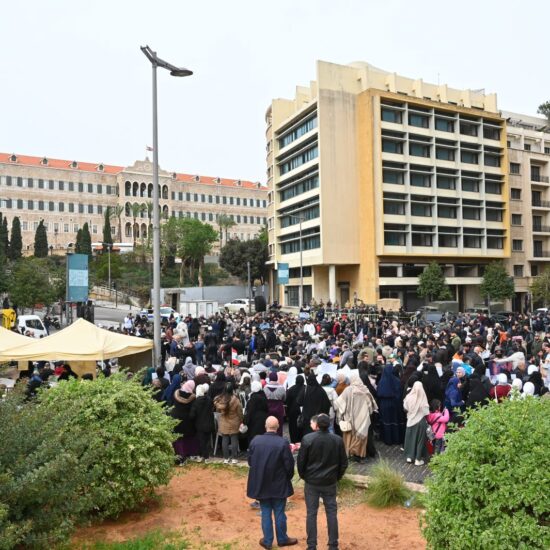
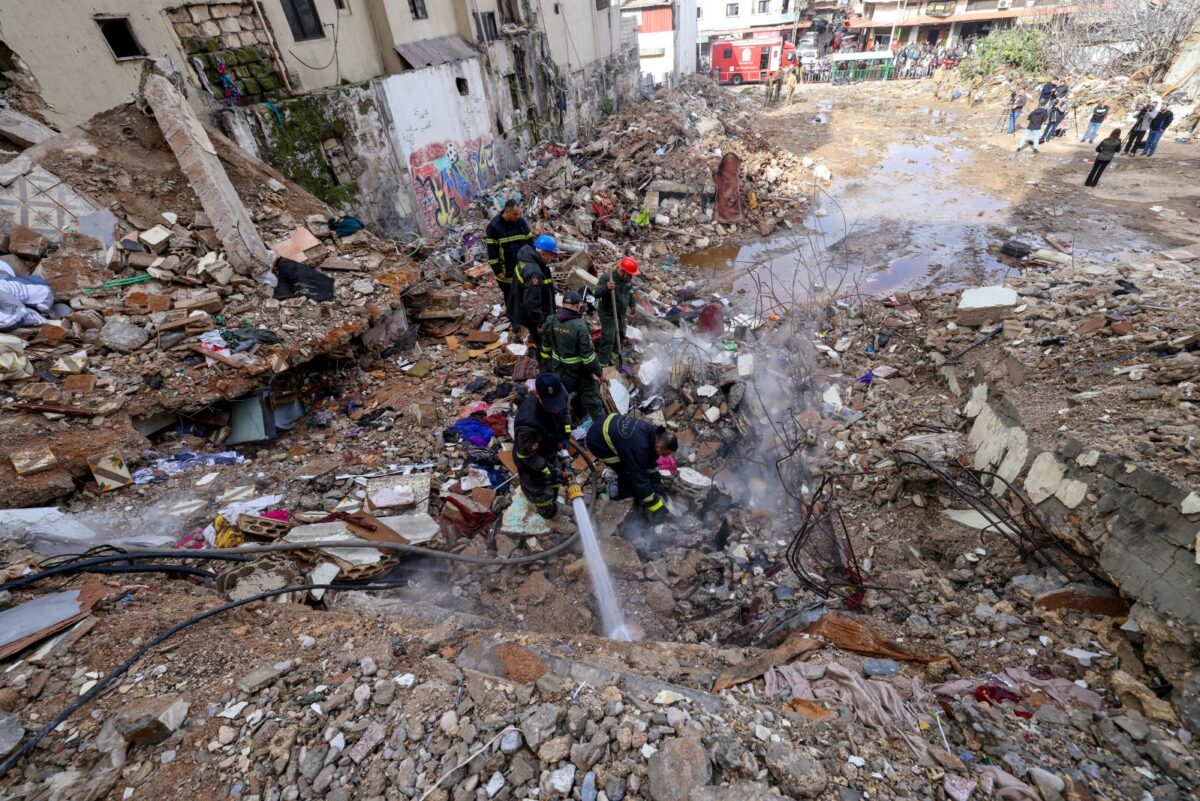
After the collapse, emergency responses were activated, including temporary housing offered by the Maronite Patriarchate and local hotels. But these interventions came only after disaster struck, highlighting the reactive nature of Lebanon’s institutional response.
“We always wait for the catastrophe,” Abdulkader said. “Then we act.”
“The first step is evacuation of these buildings,” she said. “Then there must be a clear plan, either allocate funds in the state budget to rebuild them, or reinforce some of them. But in some cases, reinforcement costs more than rebuilding. So there are only options: evacuation, rebuilding, or proper restoration. There is no third solution.”
Political accountability
Residents and observers alike link structural collapse to a pattern of political neglect. Dernayka highlighted long-term marginalization in Tripoli.
“This is not an accident,” he said. “The collapse has been going on for a long time. These buildings were subjected to wars, they ate bullets. Then they were abandoned.”
Abdulkader echoed this sentiment, pointing to the failure of parliament and central authorities.
“MPs should refuse to approve any state budget unless funds are allocated to address these buildings. These files have been presented to multiple governments. They are aware of them. Some MPs even raised the issue during budget discussions. But no preventive measures were taken.”