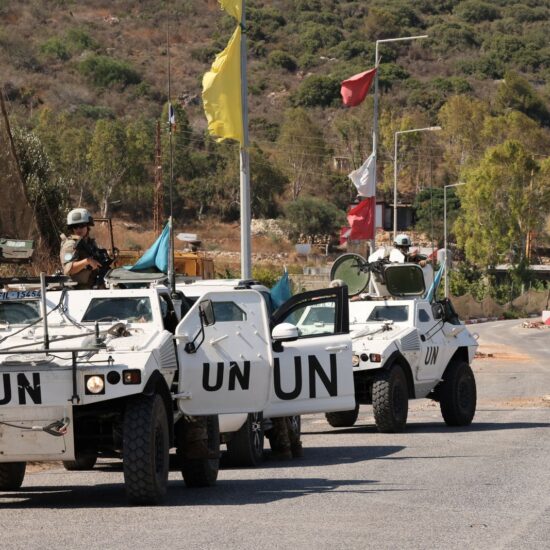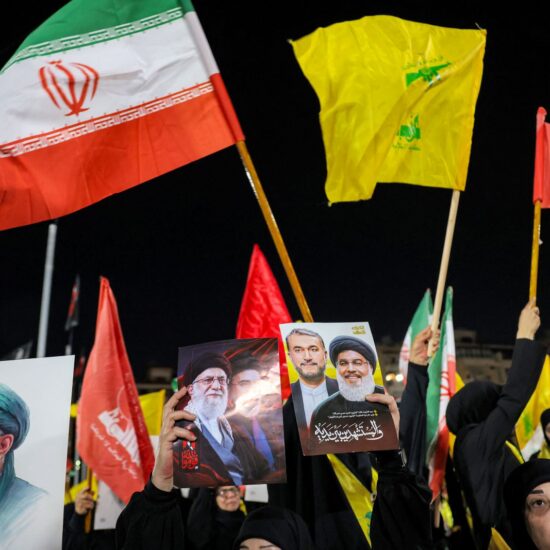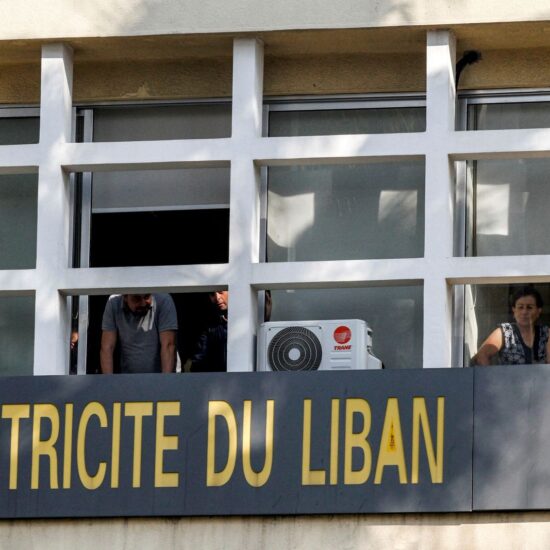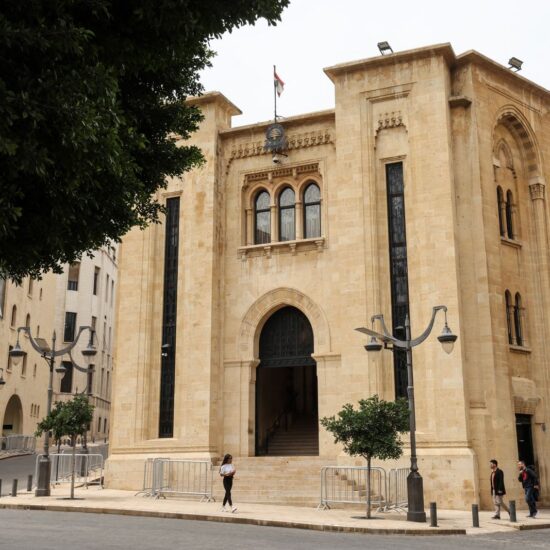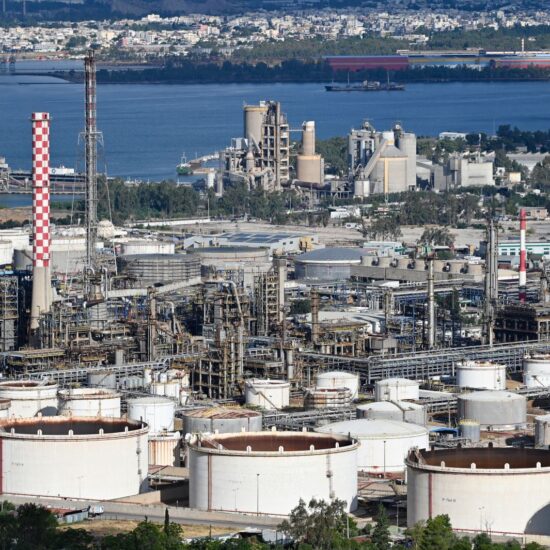
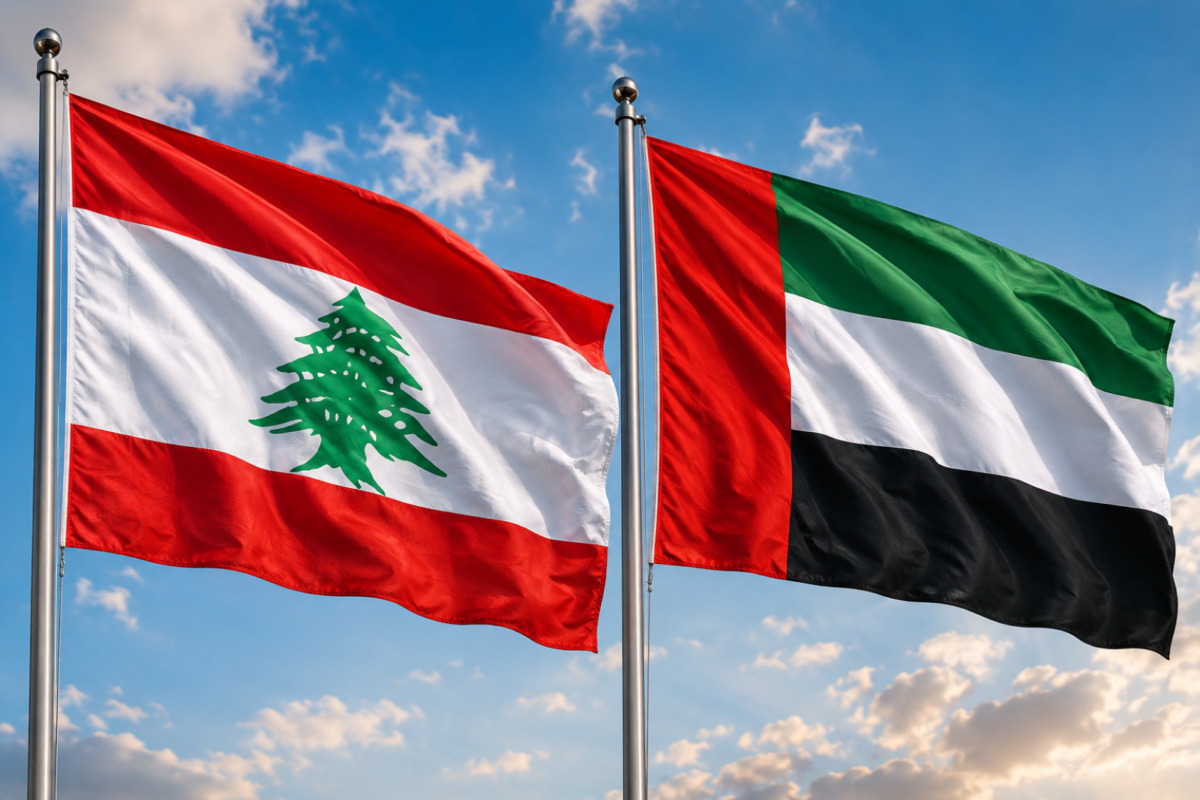
Lebanon is being offered two very different futures. On August 26 and 27, 67 Emirati businessmen will arrive in Beirut carrying contracts, investment proposals and something Lebanon has been desperately short of for years: a chance to build. The delegation is expected to sign agreements with the Lebanese private sector and discuss developing services at the airport, ports and border crossings. At almost the same moment, Israeli strikes are falling on the Ali Taher hills above Nabatieh, where Hezbollah is rebuilding military infrastructure and coordinating with Iran’s Islamic Revolutionary Guard Corps on Lebanese soil. One picture is about airports, borders, jobs and capital. The other is about missiles, armed factions and a country whose sovereignty remains contested.
The contrast could not be clearer. The UAE is offering Lebanon a path toward investment, partnership and economic revival. The question is whether Lebanon will create the security and state authority needed to take it, or remain trapped in the cycle of conflict that has kept it poor, indebted and politically hostage for decades.
The other half of that choice is simple: who controls Lebanese territory? A state that disarms Hezbollah, shuts down IRGC financing, and extends its army across the country can take an investment delegation seriously. A state that lets a non-state actor keep rebuilding for the next war will keep absorbing strikes instead of signing contracts. The reconstructed airport gate or the missile launcher. The signed agreement or the funeral.
What makes the Emirati approach notable is not the delegation alone, but the pattern behind it. Last year, while war was still raging in Lebanon, DP World opened its first representative office in the country, appointing a former Lebanese ambassador to lead it. That was not the move of an investor waiting for perfect conditions; it was a bet placed in the middle of a storm. In May, the UAE lifted its four-year travel ban on Lebanon following President Joseph Aoun’s visit to Abu Dhabi. Now comes the delegation itself: not a token trade mission but 67 businessmen arriving to pursue concrete agreements. Read separately, each of these is a headline. Read together, they are a strategy.
The UAE has not approached Lebanon as a patron demanding loyalty. Where other regional actors built influence by arming factions and demanding allegiance, the Emirati approach has been different: engage Lebanon as a state and a partner. Build with the country, not through a faction inside it.
The UAE has not approached Lebanon as a patron demanding loyalty. Where other regional actors built influence by arming factions and demanding allegiance, the Emirati approach has been different: engage Lebanon as a state and a partner. Build with the country, not through a faction inside it.
That distinction matters. Lebanon’s tragedy has never been only that it has lacked money. It has been that foreign patrons repeatedly invested in political clients and armed factions instead of the Lebanese state itself, buying influence without development and weapons without sovereignty. The Emirati offer points the other way: partnership, not dependency; investment, not charity; built around what Lebanon can become rather than what a faction can deliver to a foreign power.
The stakes go well beyond this week’s delegation. Lebanon has a real chance to become an investment hub again, but investment does not run on sentiment. Capital follows predictability. Businesses need functioning institutions, secure borders, reliable infrastructure and confidence that the state can protect what is built.
It is also worth spelling out what the alternative path buys Lebanon. A country that chooses engagement, security consolidation and genuine reform can move away from the cycle of emergency financing and mounting IMF and World Bank debt. Sustained foreign investment does something emergency lending cannot: it creates businesses, jobs and a reason for people to stay rather than leave.
Lebanon does not have to imagine what that opportunity could look like. It can look next door. Syria emerged from war with far less institutional continuity than Lebanon possesses, yet within two years Damascus opened the door to Gulf capital and began delivering: billions committed to power generation, ports and trade corridors. Syria is banking the results of decisions. Lebanon is still debating who gets to make them.
This is bigger than one Emirati delegation. The regional order around Lebanon is changing, and the war is accelerating that change. Lebanon’s place in what comes next will be decided by the alliances it chooses and whether it finally decides that sovereignty is not negotiable.
This is bigger than one Emirati delegation. The regional order around Lebanon is changing, and the war is accelerating that change. Lebanon’s place in what comes next will be decided by the alliances it chooses and whether it finally decides that sovereignty is not negotiable.
Choosing wisely means recognizing the difference between partnerships that build a state and relationships that simply rearm the next war.
The choice, ultimately, is for peace, but peace cannot be reduced to a slogan or a ceasefire. Peace is a set of decisions: consolidating the state’s monopoly on arms, dismantling IRGC networks, securing the country’s borders, and delivering the stability investors need to put their money into Lebanon.
The UAE’s own signals the office, the lifted ban, the delegation have already been sent. But patience is not infinite, and opportunity is not an entitlement.
The offer is already on the table, with a date attached: August 26. The real question is whether Lebanon is prepared to become the country that can receive it.
Because the choice before Beirut could not be simpler: the market or the battlefield, the airport gate or the missile launcher. For once, Lebanon is not being asked to choose between two wars. It is being offered a chance to choose peace, and to build something with it.
Elissa E Hachem is a journalist and political writer specializing in regional affairs and governance. Former Regional Media Advisor at the U.S. State Department’s Arabic Regional Media Hub, with broad experience in strategic communication across government and private sectors.
The views in this story reflect those of the author alone and do not necessarily reflect the beliefs of NOW.