A tense week marked by continued instability along Lebanon’s southern border, cautious efforts by the state to assert authority in the south, and renewed hopes tied to offshore gas exploration.
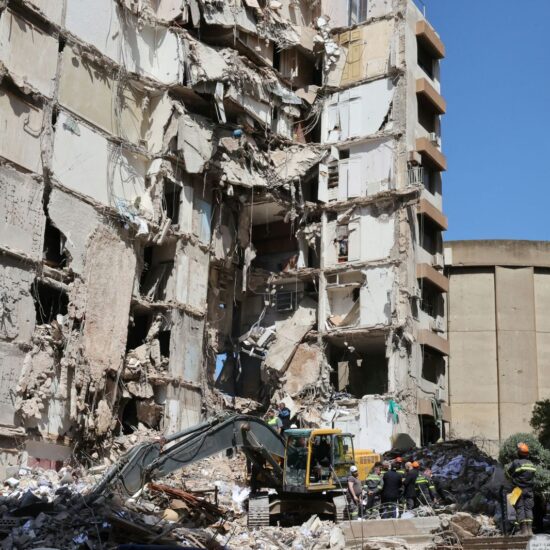
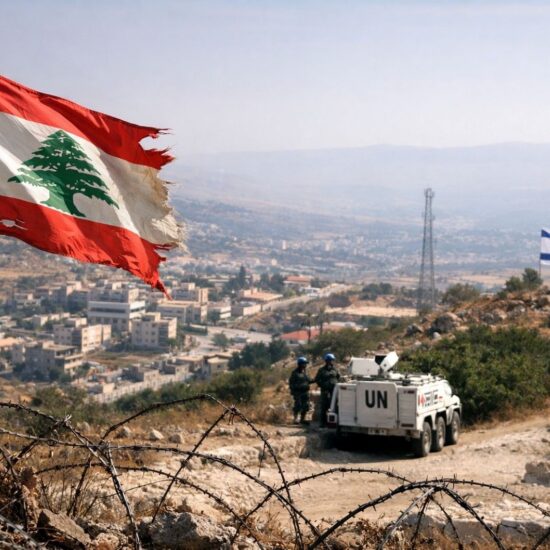
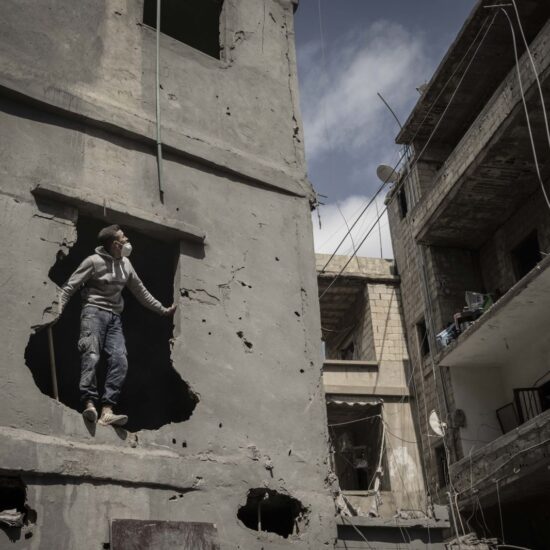
Lebanon’s past week was shaped by mounting security pressures alongside tentative economic moves. The Lebanese Army announced progress in extending state control in the south, presenting it as a step toward limiting armed activity outside official institutions. At the same time, Israeli airstrikes continued to hit areas in southern Lebanon, keeping tensions high despite the absence of a wider escalation. Against this backdrop, the government signed a new offshore gas exploration agreement with an international consortium, reviving long-standing hopes that energy resources could help ease Lebanon’s economic collapse. Still, the deal was met with caution, as any potential benefits remain long-term and dependent on political stability and reform.
In Lebanon
The past week in Lebanon was shaped by two closely linked developments: renewed efforts by the state to assert control in the south, and continued military pressure along the border with Israel. Together, these dynamics highlighted how fragile the current calm remains.
State authority and the disarmament effort: The Lebanese Army said it had completed the first stage of its security plan in southern Lebanon, presenting the move as a step toward limiting weapons to official state forces south of the Litani River. Army officials framed the deployment as part of a longer-term effort to restore state authority following the 2024 war between Israel and Hezbollah and the ceasefire that followed.
According to the military, the plan is not limited to the south and could later extend to other areas, depending on political decisions and security conditions.
While the announcement was welcomed by some as a sign of institutional presence after years of weakened state control, it also raised questions about how far the army can go without a broader political agreement on national defense.
Israel, for its part, dismissed Lebanon’s claims, arguing that Hezbollah remains active in the area and is attempting to rebuild its military infrastructure. These conflicting narratives underscored the deep mistrust between the two sides and the limits of unilateral steps in reducing tensions.
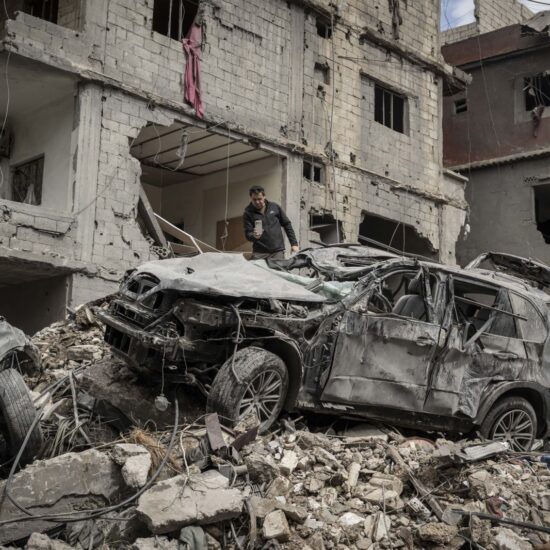
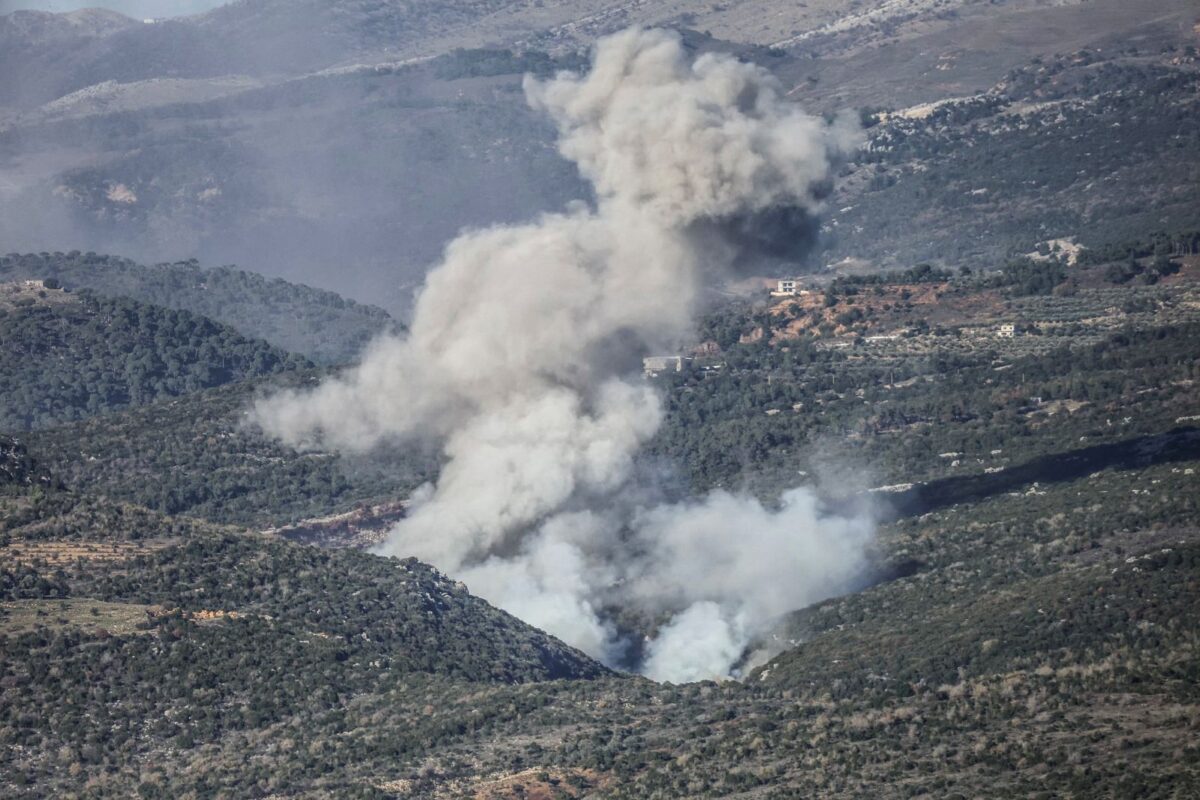
Continued Israeli strikes: Despite the ceasefire, Israeli airstrikes continued to target areas in southern Lebanon throughout the week. On 5 January, Israeli jets struck several locations after issuing warnings to residents in nearby villages. Israeli officials said the strikes were aimed at sites linked to Hezbollah and allied groups.
Further strikes were reported between 8 and 11 January, with Lebanese state media describing multiple raids hitting towns such as Kafr Hatta and surrounding areas. While Israel said it was targeting military infrastructure, the repeated attacks reinforced fears among residents that the situation could quickly deteriorate.
Gas deal offers cautious hope: Amid the security developments, the government announced a new offshore gas exploration agreement with an international consortium led by Total Energies, ENI, and Qatar Energy. The deal focuses on Block 8, an offshore area seen as one of Lebanon’s remaining economic prospects.
Officials described the agreement as an important step toward reviving the energy sector and easing the country’s deep financial crisis. However, many experts and citizens remain cautious. Past delays, governance concerns, and regional instability have tempered expectations, and any meaningful financial returns are likely years away.
Central Bank moves to recover embezzled funds: Lebanon’s central bank took legal action this week to recover funds allegedly embezzled by former officials and private associates. The governor said the bank is filing criminal complaints and will work with international investigators to trace money believed to have been moved offshore through shell companies.
Officials described this as part of broader efforts to strengthen liquidity and restore confidence in a banking system that has faced years of crisis and frozen deposits. Observers note that while the move signals determination, the impact on Lebanon’s financial stability will depend on follow-through and broader reforms.
Strained refugee support and health services: Refugee communities in Lebanon continued to face pressure this week as humanitarian support remains limited. United Nations agencies and local partners reported gaps in essential services, including healthcare, schooling, and food assistance for Palestinian and Syrian refugees. Clinics and aid centers remain overburdened, with some struggling to maintain regular operations.
Humanitarian groups warned that without sustained international support, the situation for these vulnerable populations could worsen, particularly during the winter months.
Rising food and living costs across communities: Across Lebanon, families and refugee populations are struggling with high prices and limited access to basic goods. Recent assessments highlight that food insecurity and rising living costs continue to affect many households, especially in areas already weakened by last year’s war and economic crisis.
In The Region
Renewed Israeli-Syria security talks: U.S.-mediated negotiations between Israel and Syria resumed this week in Paris after a pause, with both sides discussing proposals for a new security arrangement and a possible demilitarised economic zone along their shared border. The talks are part of broader efforts to reduce regional tensions and could set a precedent for future dialogue on security and trade.
European support for Syria’s reconstruction: European Commission President Ursula von der Leyen visited Damascus and announced that the EU will commit significant funding, around €722 million over the coming year to support Syria’s recovery and humanitarian needs. The announcement came as European and Syrian officials discussed ways to expand cooperation despite lingering political and security challenges.
Continuing unrest in Iran: Across Iran this week, protests driven by economic hardship and dissatisfaction with government policies spread to multiple cities. Demonstrations focused on cost of living and political freedoms, highlighting sustained public discontent. The scale and persistence of the unrest show ongoing pressure on Iranian authorities.
What We’re reading:
“Remnants of Assad’s regime in Lebanon: When “Neutrality” becomes a mask for complicity” – In his recent article, Makram Rabah, NOW Lebanons managing editor argues that Lebanon’s leaders are using “neutrality” as an excuse to ignore threats from networks linked to Syria and the Assad regime. He warns that this passive approach is really complicity, putting Lebanon at risk of sanctions, pressure and instability.
“Distant Blow: How Venezuela’s Turmoil Weakens Iran and Hezbollah” – In her recent article, Rodayna Raydan explains that Venezuela’s recent turmoil and the U.S. action against Maduro weaken Iran and Hezbollah, since the country had been a key financial and operational base for their networks.
“Democracy After Maduro: When Numbers, Law, and Order Stop Protecting People” – In his article, Ramzi Abou Ismail argues that after Maduro, focusing only on laws and numbers can fail to protect people’s rights, showing that democracy means little if it doesn’t serve real human needs.