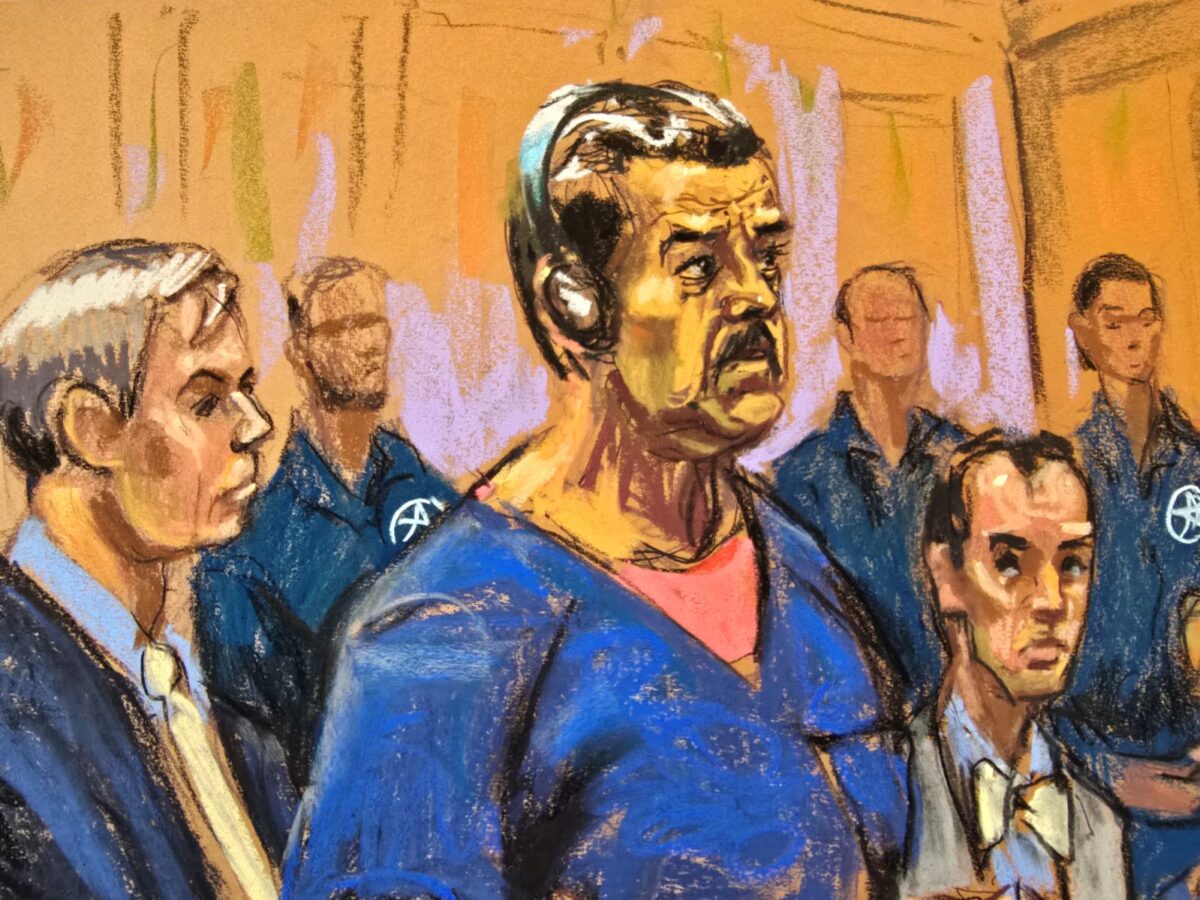
The arrest of Nicolás Maduro triggered a familiar performance. Not analysis, performance.
Within hours, international law was suddenly sacred, sovereignty suddenly inviolable, and democracy suddenly invoked by voices that had spent years indifferent to what the Venezuelan state did to its own people. The suffering, the repression, the electoral farce. All of it was background noise until power intervened in a way that disrupted comfortable narratives.
What followed was predictable: a debate about rules, not outcomes; about legality, not people. Venezuela once again became a theoretical battlefield where ideology mattered more than human lives. This is not moral concern. It is intellectual habit, and a lazy one.
The truth is more uncomfortable. The Maduro arrest did not expose a crisis of international law. It exposed how hollow our language about democracy, legality, and global order has become. We repeat slogans because they spare us from asking harder questions; questions about power, minorities, majorities, and whether democracy, as we practice and defend it today, is still capable of protecting those it claims to represent.
It has become fashionable to say that the country that promotes democracy is not democratic, with the United States as the default target. I am not convinced this accusation is as self-evident as many repeat it. In the U.S., you can still say what you want about whoever you want, and you can still be anyone without needing permission from a state, a sect, or a religious authority. That does not make it a perfect democracy, but it makes it a functioning one in ways many of its critics conveniently ignore.
Is it the best possible model? Probably not. Some Scandinavian countries, manage democratic life with far less polarization and far more social trust. But the Maduro episode forces a more uncomfortable question: who decided that democracy itself is the ultimate moral answer?
Democracy assumes that numbers produce legitimacy. That the majority, by virtue of being larger, should decide. This assumption becomes deeply problematic in an era where political identity is inherited at birth, where polarization is cultural and religious before it is political, and where disagreement is experienced as existential threat.
As a member of a minority, I do not romanticize majority rule. A religious or cultural majority that does not share my belief system may tolerate me, but it will not imagine itself through me. It will not see me as an equal political subject. In such contexts, democracy risks becoming not a system of representation, but a mechanism of permanent exclusion: orderly, procedural, and unjust.
This is where the debate around international law and Maduro becomes revealing. Many who suddenly discovered their devotion to legal norms were conspicuously silent during decades of Venezuelan suffering. Law, in their framing, mattered only once a powerful actor intervened.
But law is not an end in itself. Its legitimacy derives from serving people, not protecting regimes through rigid texts. When legal frameworks cease to protect human dignity, breaking them may be morally troubling, but blind obedience to them is not morally superior.
The same selective reasoning applies to the oil narrative. Those warning against U.S. “exploitation” said very little when Venezuela’s wealth was looted by corrupt elites, militias, and foreign powers that happened not to be American. Venezuela remained one of the richest oil countries in the world while its people scavenged for food. Non-U.S. dominance did not translate into human dignity; it translated into misery with different flags attached.
What we are really witnessing is not principled anti-imperialism, but ideological reflex. America is condemned not because harm occurred, but because it was America. This is not moral consistency, it is identity politics at the global level.
From here, the discussion inevitably expands to global order itself. Many lament that international institutions, especially the United Nations, are failing. But this critique misunderstands what these institutions are. The UN is not a moral authority hovering above states; it is a reflection of power relations among them. When those states no longer agree on basic rules, paralysis is not a failure; it is the expected outcome.
Historically, global cohesion has often been produced not by shared values, but by shared enemies. Once the enemy disappears, unity fractures. Hitler is long dead, but the logic persists. The world repeatedly organizes itself around threats, not ideals. When the threat fades, contradictions re-emerge.
This is why appeals to history so often fail. People do read history, but they strip it of context. They judge actors from a 2026 mindset and ask what someone in 1026 or 1926 “should have done,” as if options, constraints, and fears were interchangeable across centuries. This is not moral clarity; it is moral vanity.
The arrest of Maduro unsettles people because it disrupts familiar narratives. It forces us to confront the limits of democracy, the conditional nature of law, and the reality that power – not ideals – has always structured international relations.
The real danger is not that the world is changing. It is that many insist on explaining that change using concepts that no longer fit reality. And history is unforgiving to systems and minds that refuse to update.
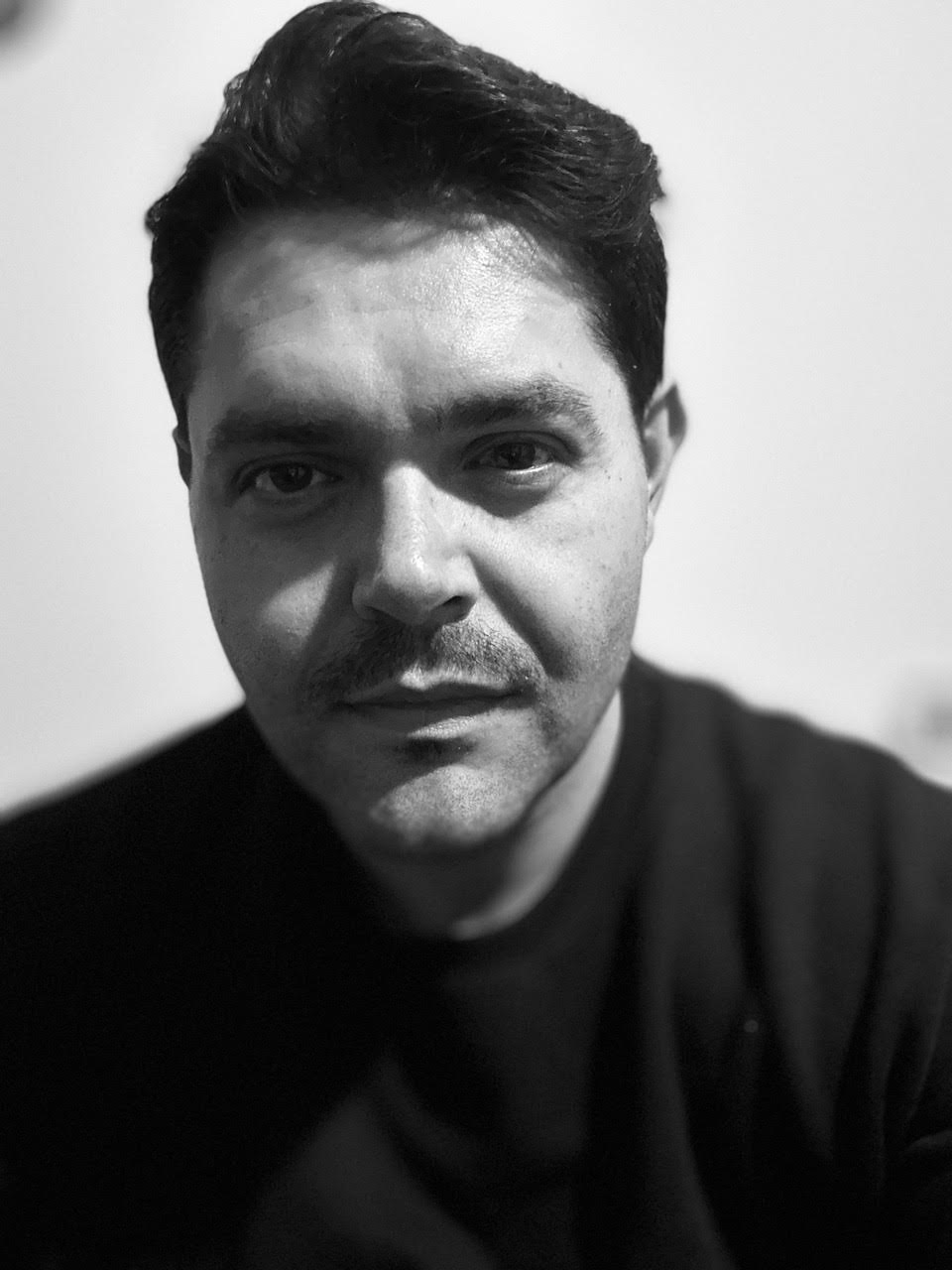
Ramzi Abou Ismail is a Political Psychologist and Senior Research Fellow at the Institute for Social Justice and Conflict Resolution at the Lebanese American University.
The views in this story reflect those of the author alone and do not necessarily reflect the beliefs of NOW