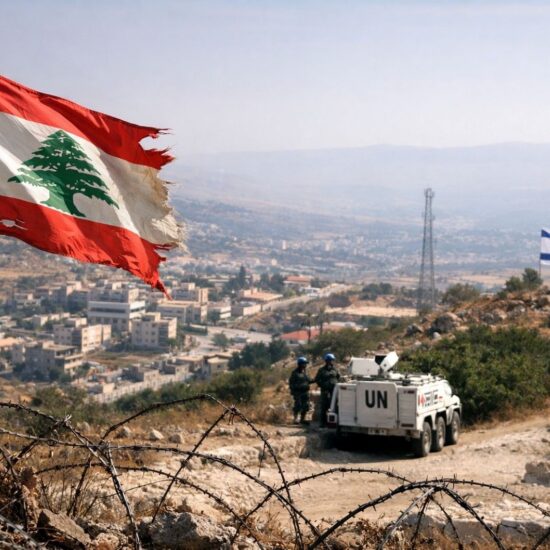
Lebanon is facing mounting pressure to curb Hezbollah’s armed presence south of the Litani River as a year-end deadline tied to a U.S.-backed ceasefire approaches. U.S. experts interviewed by NOWLebanon say the timeline is unrealistic, but suggest Washington may grant the Lebanese army more time if it takes considerable steps toward disarming the militia.
Former U.S. Assistant Secretary of State David Schenker called the deadline “quite unrealistic on behalf of the administration. And I think that there would be more support from Washington to hold off,” emphasizing that the U.S. might react with flexibility if the the Lebanese Armed Forces (LAF) can shows tangible progress in disarming Hezbollah.
The challenge is political, not military, according to Abbas Dahouk, a former senior military adviser for Middle East affairs at the U.S. State Department. “The state lacks firm cross-sectarian support and a clear mandate for the army to confront Hezbollah, making any large-scale forcible disarmament too risky and potentially destabilizing,” the U.S. Colonel said.
Disarmament takes time, repeated commitment, sustained verification and diplomacy, yet the U.S. tends to assume that Lebanon’s military “can quickly assert state authority with outside support,” often dismissing the need for “careful sequencing, incentives, verification, and local buy-in,” Dahouk added.
Instead of a rigid pass-or-fail approach, Dahouk said the U.S. should push for “measurable, incremental steps” and reward verified progress to avoid provoking a broader escalation.
Lebanon’s Disarmament Plan and Regional Tensions
The U.S. and Israel are concerned that Hezbollah is rebuilding its capabilities, including reorganizing, smuggling additional weapons and upgrading its precision-guided munitions, Schenker said. What the LAF has “done is important… but [they] haven’t really gone into private property, which is where most of Hezbollah’s remaining arms are in the South,” Schenker believes.
In the recent months, Lebanon and Israel butted heads over their strategic priorities when it comes to disarming the Iranian-backed militia group. While Israel has pushed for a more intrusive method including searching private property, Lebanon warns such actions could provoke civil unrest. Searching private property was never part of the army’s plan, Lebanese security officials told Reuters.
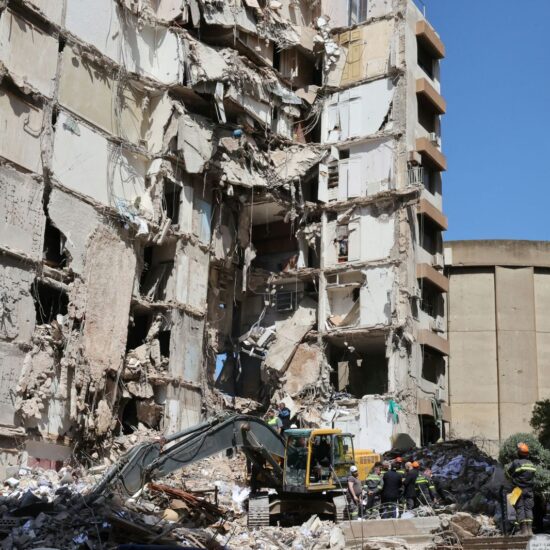
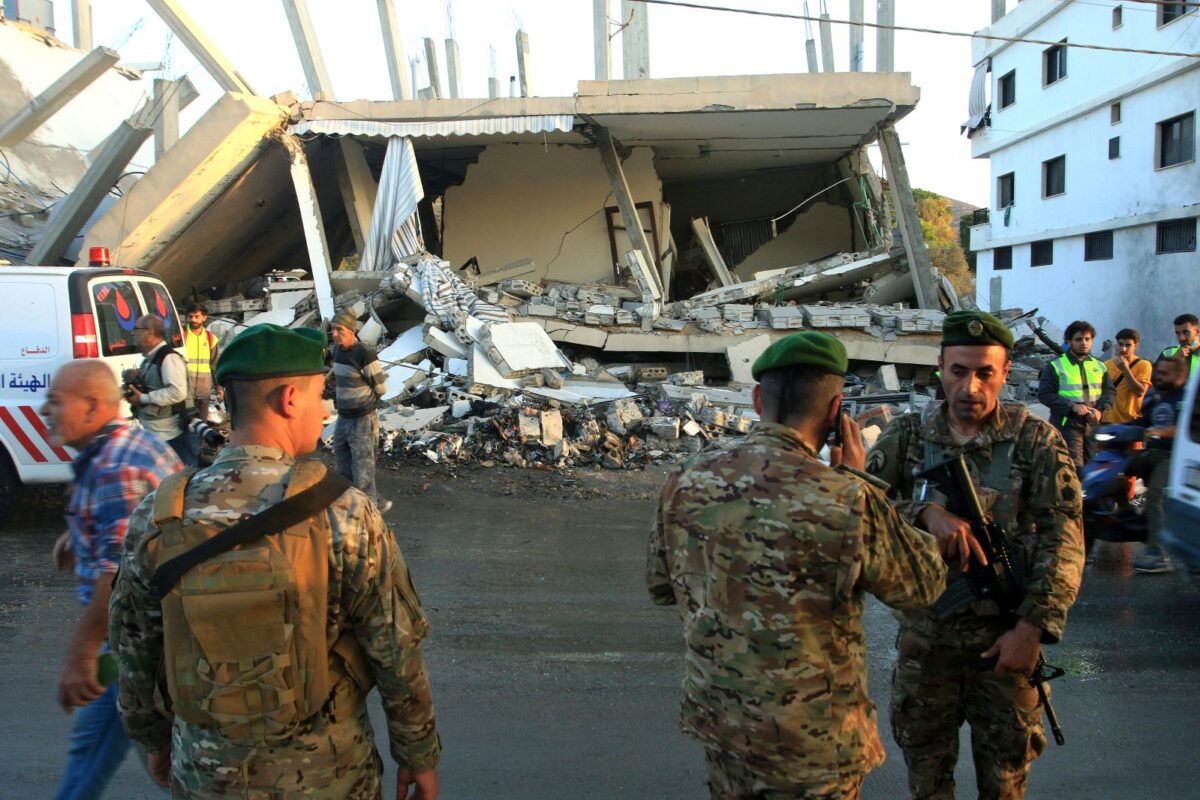
The widespread destruction of civilian infrastructure in southern Lebanon, which has caused large-scale internal displacement, complicates the situation. According to Human Rights Watch, some Israeli strikes should be investigated as war crimes, citing failures to protect civilians.
In many affected areas, Hezbollah continues to be seen “as their protector, so forced home searches feel like collective punishment,” Dahouk said. Heavy-handed tactics by the Lebanese army could trigger backlash, sectarian tensions and erode the army’s local credibility, he warned.
Schenker said support for Hezbollah was nevertheless showing signs of strain. “Hezbollah’s supporters are sick and tired of their property and homes being destroyed.” While Hezbollah and its ally Amal won a vast amount of the municipalities in the South, voter turnout fell from 48 percent to 37 percent.
Border Talks and Diplomacy
In September, Lebanon’s cabinet passed a five-phase-plan to disarm Hezbollah starting in the South and then moving towards the North. The Lebanese government said their plan to establish a state monopoly on arms depends on an end to Israeli airstrikes, which have continued despite last year’s ceasefire. Schenker however, warns that limited progress on reforms and reconstruction, could lead Israel to continue striking.
Despite growing fears that conflict with Israel would surge following the departure of Pope Leo XIV from Beirut in the beginning of December, Lebanon and Israel held their first direct meeting in the Lebanese town Naqoura — with civilian delegations from both sides at the table. Schenker welcomed the development as “positive,” emphasizing that civilians — not only military officials — should have a seat at the table.
The talks focused on the cessation of hostilities, the implementation of last year’s truce and the Israeli withdrawal from Lebanon. While such talks can broaden diplomacy and help de-escalate, “they are politically sensitive inside Lebanon,” Dahouk warns.
According to the office of Israeli Prime Minister Benjamin Netanyahu, the talks could lay the basis for a relationship and potential economic cooperation. But Lebanese President Joseph Aoun reiterated that the diplomatic exchanges did not amount to peace talks yet, but rather intended to monitor the truce.
Looking ahead, Schenker expects future diplomatic exchanges to evolve around the land border between Lebanon and Israel. While both countries across the Blue Line are far from peace at the moment, the disputes between Lebanon and Israel are minimal, “if you can solve the militia problem,” he said.
Laura is a German journalist. She has previously worked in Brussels and Berlin for POLITICO Europe.
The views in this story reflect those of the author alone and do not necessarily reflect the beliefs of NOW