Why it matters:
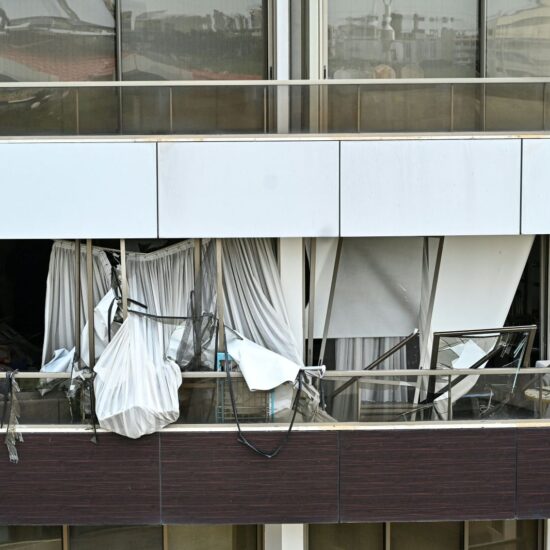
Israeli airstrikes in southern Lebanon this week have revived long-standing claims about Hezbollah’s deep underground military infrastructure — a sensitive issue for Lebanon as it faces renewed cross-border tensions and mounting international scrutiny.
What happened:
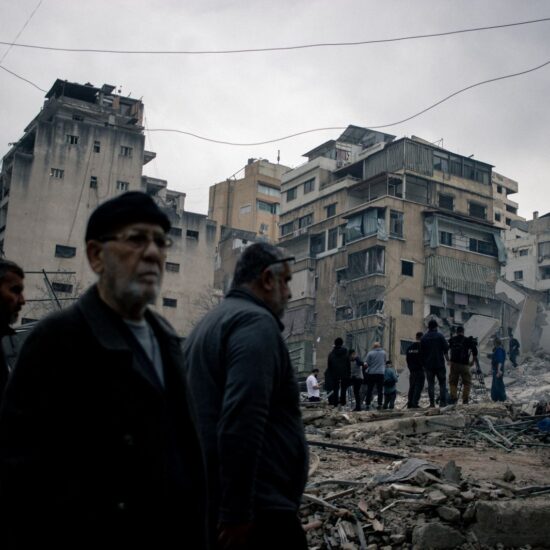
Late on Dec. 8, Israeli warplanes struck targets in the Iqlim al-Tuffah area, north of the Litani River, between Nabatieh and Jezzine. Israel’s military said the strikes targeted a training compound linked to Hezbollah’s elite Radwan Unit, along with rocket-launch facilities.
The claim:
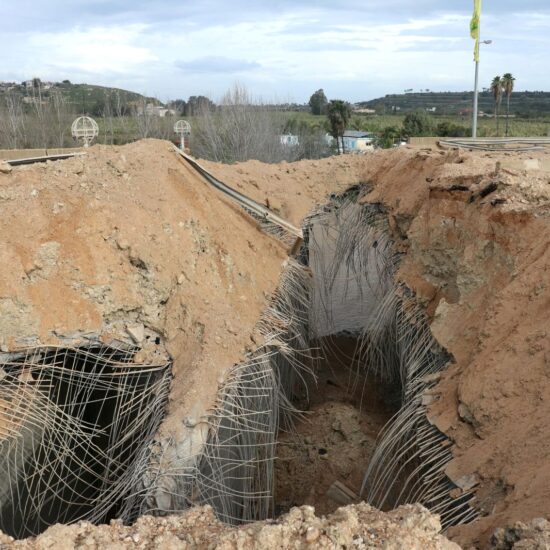
According to research published by the Israeli security research group Alma Research and Education Center, the same region hosts a vast network of underground tunnels described by the group as “strategic tunnels.” Alma estimates that parts of the network extend dozens of kilometers, with potential routes linking multiple areas across southern Lebanon — in some assessments reaching up to 45 kilometers in length.
Behind the infrastructure:
Alma’s report states that construction of these tunnels began as early as 2008, requiring large volumes of building material and sustained engineering work. The group claims the project involved:
- Hezbollah’s construction arm, Jihad al-Bina
- Civilian engineering companies allegedly linked to Hezbollah
- A North Korean firm specializing in underground military construction, named as the Korea Mining Development Trading Corporation
- Iranian supervision over the broader project
These assertions have not been independently verified by Lebanese authorities, UN bodies, or international monitoring groups.
Between allegations and politics:
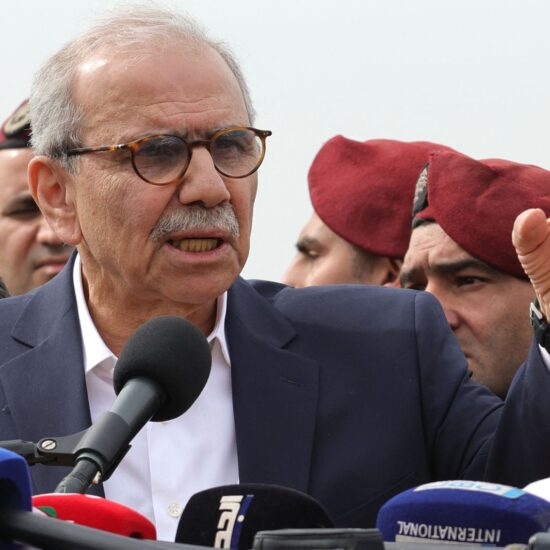
Neither the Lebanese government nor Hezbollah has commented publicly on the specific claims. Lebanese officials have historically rejected Israeli assertions regarding large-scale military infrastructure south of the Litani, arguing that security oversight remains the domain of the Lebanese Army and UNIFIL under UN Security Council Resolution 1701.
Big picture:
Tunnel networks — whether real, exaggerated, or selectively framed — remain a central element of Israel’s security narrative regarding Hezbollah. For Lebanon, the issue highlights a deeper dilemma: as long as claims of clandestine militarization persist, the country risks being drawn into regional escalation despite the absence of a unified national war or defense strategy.
What to watch:
- Whether UNIFIL or the Lebanese Army acknowledge any findings related to the area targeted by Israel
- Possible international pressure on Beirut to investigate the allegations
- Hezbollah’s response — if any — to renewed focus on its underground capabilities
Bottom line:
The resurfacing of tunnel claims following Israel’s strikes underscores how Lebanon remains trapped between military narratives imposed from outside and an unresolved internal debate over state sovereignty and armed non-state actors — with escalating consequences for its security and stability.