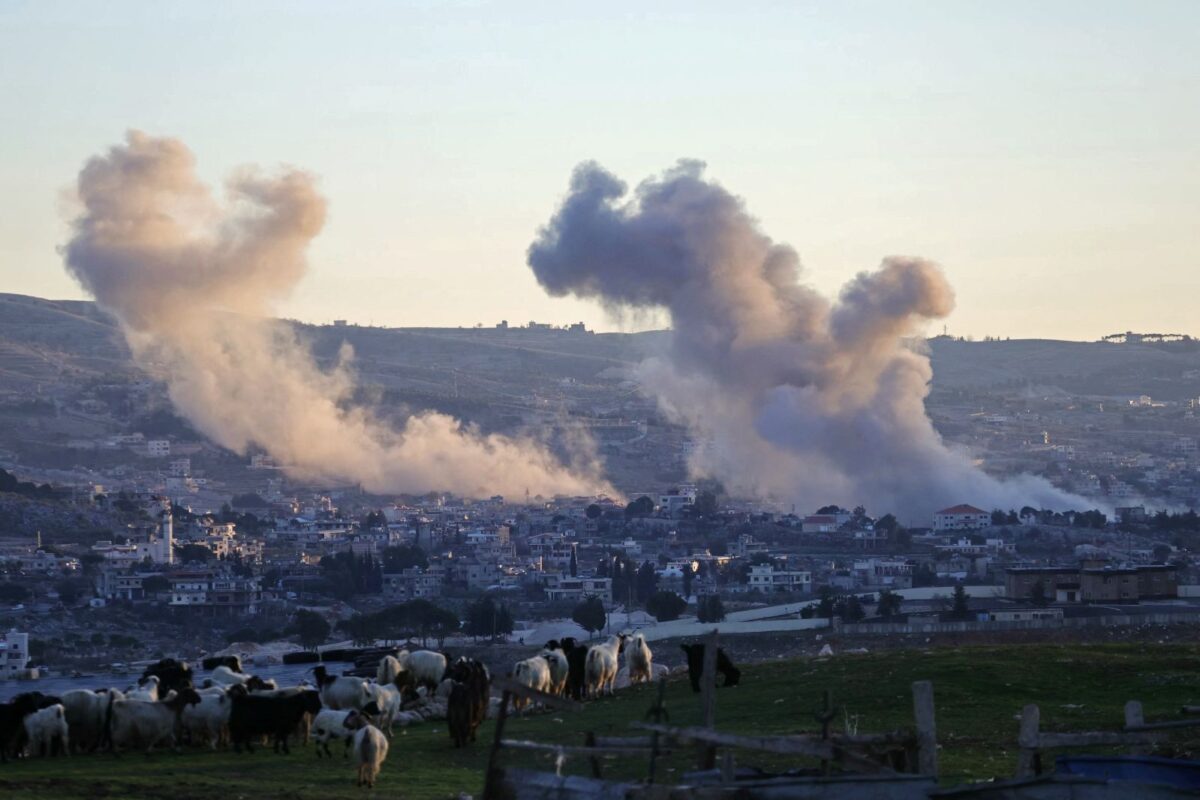
As Israeli strikes on Lebanon continue and U.S. pressure mounts to disarm Hezbollah, Paris and Beirut prepare an international conference to strengthen the Lebanese Armed Forces.
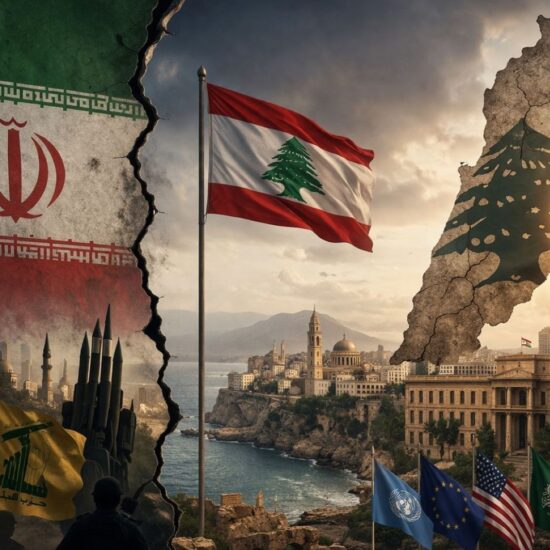
Paris will host an army support conference for Lebanon on March 5, aimed at mobilizing support for the Lebanese Armed Forces (LAF). The initiative comes as Lebanon faces international and regional pressure to advance the disarmament of Hezbollah.
In preparation, Lebanese President Joseph Aoun met with French and Saudi envoys — Jean-Yves Le Drian and Yazid bin Farhan — alongside ambassadors from the U.S., Qatar, and Egypt. French President Emmanuel Macron is expected to open the conference.
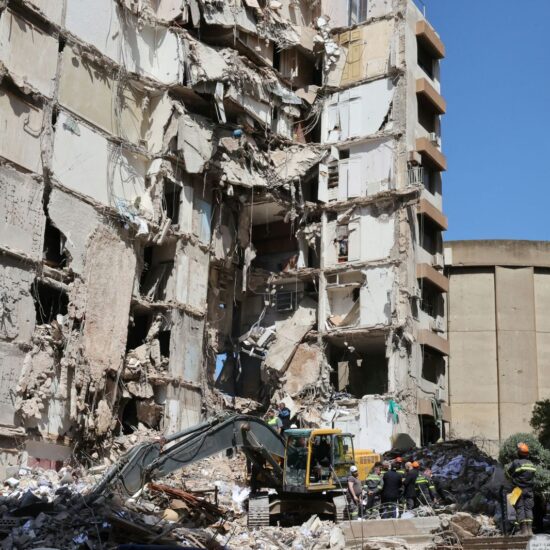
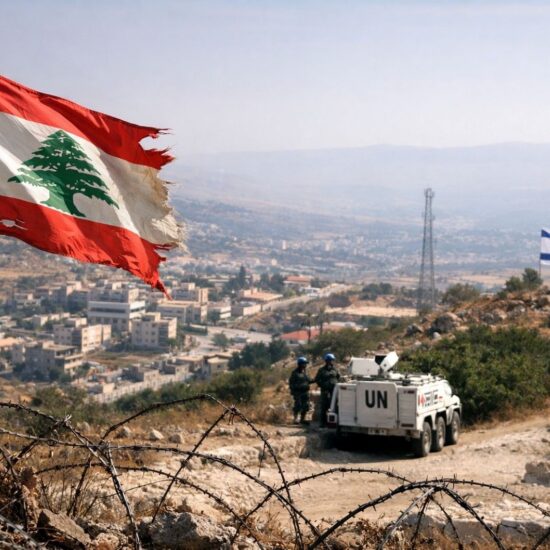
The first deadline of the disarmament plan passed in December. According to the Lebanese army, its initial objective to disarm Hezbollah south of the Litani River has been achieved. Israel, however, is critical of the progress, leading to a growing fear of intensified strikes as well as increased U.S. pressure to disarm the group. On Monday, Israel attacked several sites north of the Litani River.
The Lebanese cabinet is expected in February to present the next phase of the plan, which would involve disarming Hezbollah north of the Litan River. France is pushing to center the conference on this phase while also pressing for broader political and institutional reforms in Lebanon.
In Lebanon
Saudi Engagement in Lebanese Sunni Politics: During his visit to Beirut, Saudi Arabian envoy Yazid bin Farhan not only discussed the March conference but also held meetings with Sunni political figures. Riyadh is reportedly attempting to reunify Sunni forces ahead of upcoming parliamentary elections. Bin Farhan met with several MPs affiliated with the Hariri bloc — the only Sunni group still resembling a parliamentary party. While rumors persist about a potential return of Saad Hariri, Saudi Arabia reportedly does not view him as a preferred option. The elections are widely seen as a test for newly appointed Sunni Prime Minister Nawaf Salam. Further fragmentation among Sunni politicians could undermine his political authority.
Families of the Beirut blast victims protest: Families of the Beirut port explosion victims and activists took to the streets on Monday after Gracia Azzi was nominated as Director General of Customs. Azzi has previously been prosecuted in connection with the 2020 Beirut port explosion as well as another corruption case.
UNRWA reduces activity in Lebanon: The UN agency assisting Palestinian refugees announced a 20 percent reduction in its activities in Lebanon starting in early February, sparking concern among refugee communities.
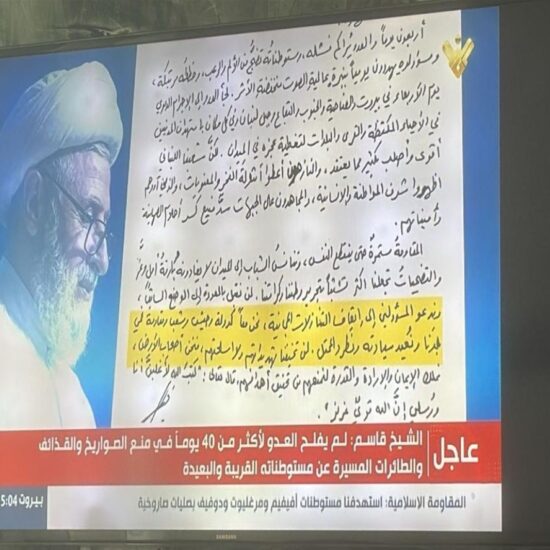
Hezbollah clashes with foreign minister: Hezbollah Secretary-General Naim Qassem criticized Foreign Minister Joe Rajji on Saturday, accusing him of adopting Israeli positions on Hezbollah’s disarmament and warning that his stance could lead Lebanon toward civil war. Raggi had argued that without a state monopoly on arms, Israel would continue to justify attacks on Hezbollah’s arsenal.
Protests in Iran raise questions about Hezbollah’s involvement: With protests ongoing in Iran and reported death tolls surpassing 5,000, concerns are growing about a potential regional escalation involving Iran, Israel, and the U.S. Hezbollah’s restraint during last year’s 12-day war has raised questions about how the group might respond to renewed conflict. While Hezbollah has been significantly weakened in recent months, analysts told NowLebanon that Tehran may still expect support from its proxy.
In The Region
Syria military moves eastward despite ceasefire: The Syrian government forces have crossed the Euphrates River, which has so far served as a border between the Kurds and the Syrian forces. Reports indicate renewed clashes and casualties. Although the Kurdish-led Syrian Democratic Forces and Damascus agreed to a ceasefire on Sunday, tensions remain. President Ahmed al-Sharaa met SDF leader Mazlum Abdi on Monday, and subsequently canceled a planned trip to Germany due to the situation.
Yemen’s food crisis intensifies: The International Rescue Committee warns that Yemen is facing its worst food crisis since 2022, with over 40,000 people expected to fall into famine in the next two months.
Gaza hit by storms: A new storm is approaching Gaza, where displaced residents live in fragile tents amid widespread destruction. Separately, U.S. President Donald Trump has invited Russian President Vladimir Putin to join a “Gaza Board of Peace,” despite the ongoing war in Ukraine. Countries including Canada, Jordan, India, and Egypt are also invited to participate on the board, which focuses on reconstruction and governance.
What We’re Reading
Iran’s Internet Blackout: Engineering Silence: Journalist Elham Adimi explains how the Iranian regime has cut its population off from the internet since January 8. The government cut off fixed-line internet, mobile data, and phone services for the public while keeping state channels online. The shutdown was being implemented at the highest infrastructural level to prevent communication among anti-government protesters. As citizens moved to alternatives like Starlink, the regime also cracked down on this method.
Freedom Is Not Chaos: Why a Free Iran Would Liberate, Not Destabilize, the Middle East. Now’s managing editor Makram Rabah argues that fears of chaos following regime change in Iran are misplaced and largely serve the Islamic Republic’s propaganda. Instead, it would bring greater freedom and regional stability rather than collapse. The Iranian regime has for years destabilized the region, by neglecting sovereignty and interfering with other countries’ politics. Hezbollah’s power in Lebanon is the clearest example of this, he argues. Makram Rabah also questions the claim that regime change would lead to civil war, explaining that the central obstacle for the Iranian opposition is not the lack of political consciousness, but the absence of space.
American fast food goes Lebanese. Rayane Tawil examines the rise of lookalike and copycat food stores in Lebanon that resemble American brands. Some emerge from boycotts, while others respond to the lack of availability of these brands in Lebanon. She argues that the trend shows that imitation in Lebanon’s food scene is less about copying and more about adapting to local realities and staying afloat.
Laura is a German journalist. She has previously worked in Brussels and Berlin for POLITICO Europe.
The views in this story reflect those of the author alone and do not necessarily reflect the beliefs of NOW