Prime Minister Nawaf Salam confirms early steps to extend state authority in southern Lebanon, as international discussions intensify ahead of UNIFIL’s expected exit at the end of 2026.
Lebanon’s security future in the south has moved back to the center of political and diplomatic discussions this week, as the approaching end of UNIFIL’s mandate forces the country and its international partners to confront long-postponed questions. Prime Minister Nawaf Salam’s remarks reflect a broader shift toward planning for a post-UNIFIL arrangement, at a time when cross-border tensions remain high and confidence in existing mechanisms is eroding. The renewed focus on extending state authority highlights both international expectations and the political sensitivities surrounding security, sovereignty, and armed non-state actors.
In Lebanon
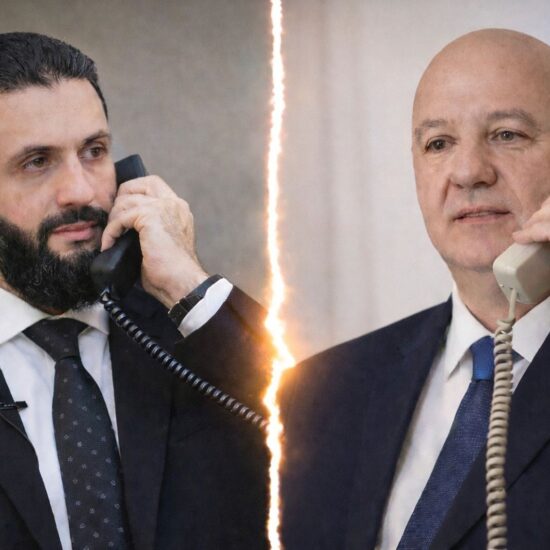
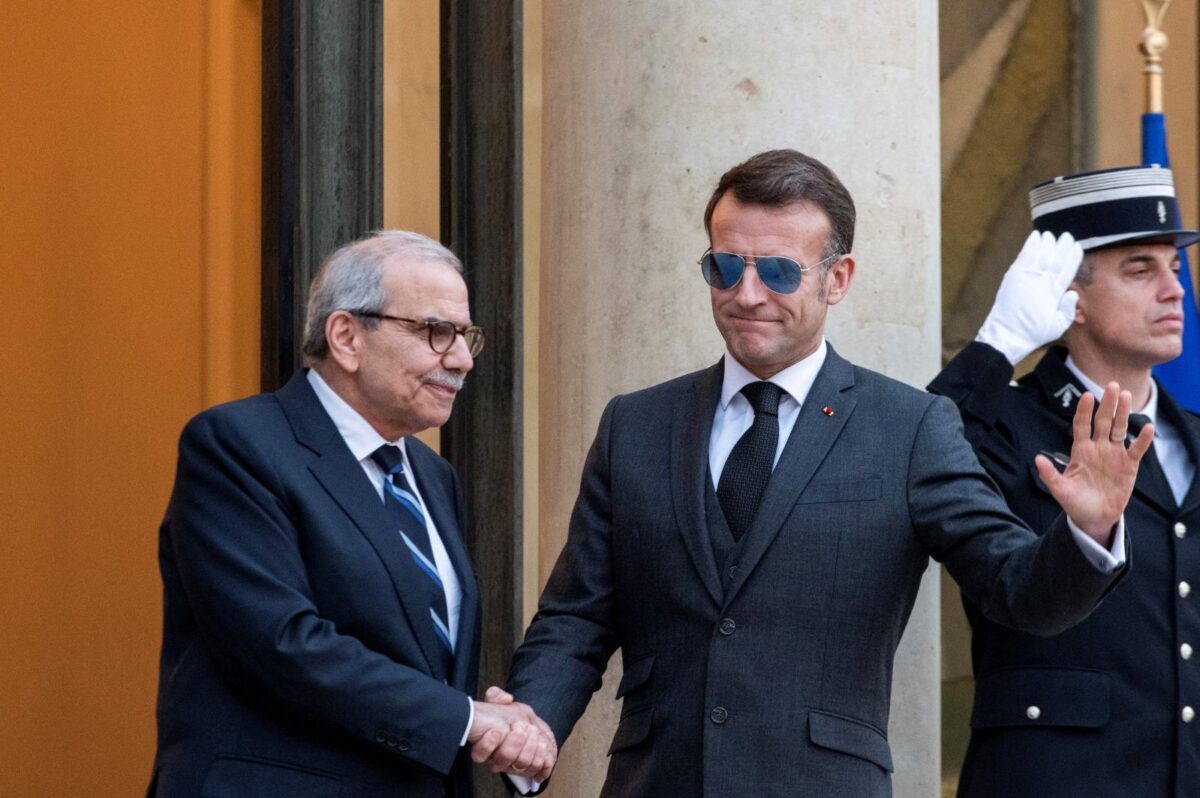
Salam calls for new international force as UNIFIL exit looms: Lebanon’s Prime Minister Nawaf Salam said this week that the country will need a new form of international presence in the south once the United Nations Interim Force in Lebanon (UNIFIL) ends its mandate at the close of 2026, signaling a potential shift in Lebanon’s long-standing security framework along the border with Israel.
Speaking in Paris, Salam confirmed that Phase Two of efforts to disarm Hezbollah has begun extending beyond the Litani River, placing renewed emphasis on restoring state authority in areas long dominated by non-state armed actors. While details of the proposed international mechanism remain unclear, the remarks suggest growing international coordination around Lebanon’s post-UNIFIL future at a moment of heightened regional tension and persistent cross-border violence.
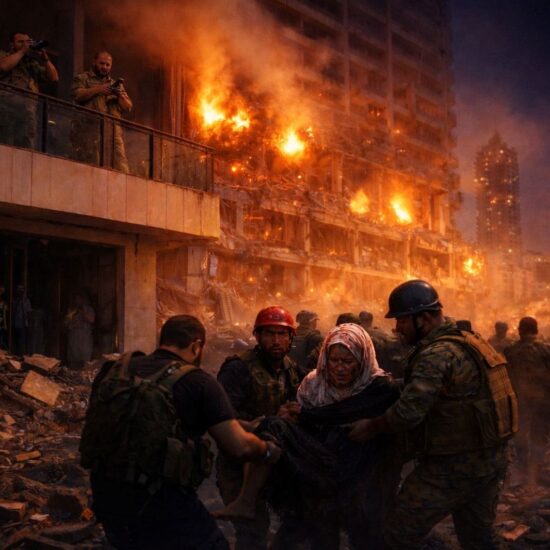
Tripoli building collapse raises alarm over structural safety: Rescue operations continue in Tripoli after a five-story residential building in the Qobbeih area collapsed early Saturday, killing at least one person and leaving several others missing or injured. The building had reportedly shown visible cracks and signs of instability, prompting partial evacuation the day before, though one family remained inside when it gave way.
Civil Defence teams and the Lebanese Red Cross have so far pulled survivors from the rubble, including a mother and her child, as efforts continue to locate those still trapped. Authorities, including the Interior Minister, have called for urgent inspections of other at-risk buildings in the city and launched an investigation into the causes of the collapse.
Gracia Azzi appointment sparks protests, raises rule-of-law concerns: Families of victims of the 2020 Beirut Port explosion staged protests this week after the government appointed Gracia Azzi as Director General of Customs, a position critics say directly contradicts demands for accountability in the blast investigation. Azzi was questioned last year as part of the probe and remains under judicial scrutiny, and victims’ relatives described the appointment as a “blatant insult to victims’ blood,” accusing the government of eroding trust in the judicial process and state institutions. The controversy has underscored broader frustrations with political compromises and perceived impunity for officials linked to major national tragedies, feeding into wider debates about justice, governance, and free expression in Lebanon.
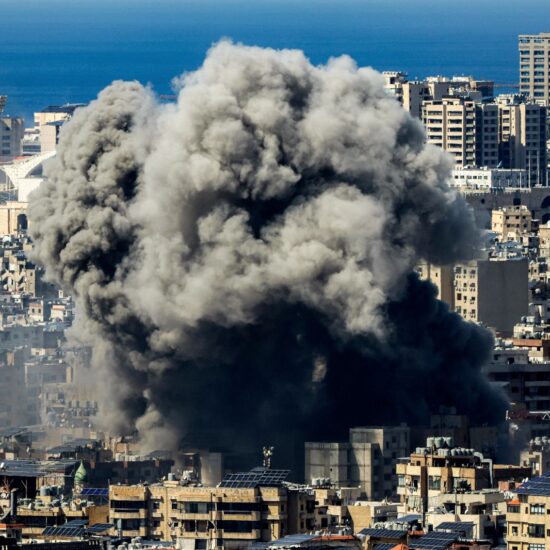
Israeli strikes intensify in Southern Lebanon amid renewed tensions: A fresh wave of Israeli air and drone strikes across southern Lebanon has marked a sharp increase in hostilities over the past week, in what Lebanese officials describe as repeated violations of the ceasefire that has nominally been in place since late 2024.
The Israeli military has carried out a series of air attacks targeting areas along the border, including villages and border crossings it says are used by Hezbollah fighters or associated infrastructure.
IMF talks resume as Lebanon revisits stalled financial rescue plan: Lebanon has reopened discussions with the International Monetary Fund this week as pressure mounts to revive a long-delayed financial rescue plan meant to halt further economic decline. The talks focus on proposed amendments to draft legislation currently before parliament, with IMF officials pushing for clearer rules on how losses will be distributed across the banking sector, the state, and depositors.
Prime Minister Nawaf Salam acknowledged that international partners are seeking stronger guarantees on transparency and accountability, including clearer mechanisms for auditing financial losses and restructuring the banking system. While the plan is viewed by the government as a gateway to unlocking external support and restoring a measure of confidence, progress remains hampered by political deadlock and resistance from powerful financial interests. As living costs remain high and trust in public institutions erodes, the stalled negotiations underline the growing gap between reform commitments and economic reality.
Food security in Lebanon remains fragile despite slight easing: New data from a joint assessment by Lebanon’s Ministry of Agriculture, the FAO, and the World Food Programme shows that food insecurity in Lebanon remains highly fragile as 2026 begins. Around 17 percent of the population, including tens of thousands of agricultural households are still facing Crisis or Emergency levels of food insecurity, the report reveals.
While the assessment notes modest improvements compared with previous periods, it warns that the situation remains extremely sensitive to economic shocks, conflict, and climate pressures. Small-scale farmers, in particular, continue to struggle as drought and ongoing instability drive down incomes.
Political pressure mounts over disarmament, national strategy: Prime Minister Nawaf Salam’s comments on expanding state authority and planning for a post-UNIFIL security framework have reignited debate over Lebanon’s long-debated approach to weapons control and sovereignty. While the government says Phase 2 of disarmament, extending oversight beyond the Litani River has begun, critics inside Lebanon warn that the absence of a clear, nationwide defense strategy risks deepening political divisions and undermining national cohesion. Supporters argue that greater state authority is necessary to consolidate gains made since the 2024 ceasefire and to satisfy international partners.
In the Region
US boosts military presence amid Iran tensions: The United States redeployed naval and air assets to the Middle East this week, citing heightened regional risks linked to Iran and its allies. The move has raised concerns over a wider escalation, particularly along flashpoints involving Hezbollah and other Iran-aligned groups.
Major airlines reroute or cancel Middle East flights: Air France-KLM, Lufthansa Group carriers and several North American airlines have cancelled or diverted flights to and from the Middle East — including Gulf hubs — citing rising geopolitical risk linked to U.S.–Iran tensions and broader instability.
Israel steps up Gaza operation to find last missing hostage: On 25 January, Israeli forces launched an intensified operation in the Gaza Strip aimed at locating the last remaining Israeli hostage. The raids, focused in northern Gaza, come as international mediators push to move forward with the next stage of the ceasefire agreement. Observers have criticized the operation for delays in implementing key provisions of the ceasefire.
Iran Faces Domestic Unrest Amid Heightened International Tensions: Iran remains in the spotlight as widespread protests continue across the country, coupled with a near-complete internet blackout that has disrupted communications and media coverage. At the same time, Tehran has signaled a defiant stance internationally, including public displays warning the U.S. against military action. The situation underscores how internal unrest and external pressures are increasingly intertwined, raising concerns about stability both inside Iran and across the region.
What we’re reading:
“Hazem Saghieh Is Not the ‘Arab Fukuyama’ — He Is What Arab Politics Fears Most” by Makram Rabah: Makram Rabahc NOW Lebanons managing editor argues that labeling Lebanese writer and thinker Hazem Saghieh as the “Arab Fukuyama” is misleading and used to avoid engaging with his ideas. Rabah explains that Saghieh does not promote Western liberalism or claim history has ended, but instead criticizes how violence, sectarianism, and rigid ideologies have shaped politics in the Arab world.
“The challenge for Iranian revolutionaries: protesting the government, fighting mercenaries”: In this opinion piece, Armin Soleimani explains that Iranian protesters are facing not only harsh repression from their own government but also foreign fighters and militia groups believed to be supporting the state’s crackdown.The article highlights a very high death toll and argues that the involvement of these outside fighters makes it much harder for the protest movement to succeed.
“How Iran’s protests are putting the country’s proxies to the test”: In this analysis piece, Laura Hülsemann explains that Iran’s nationwide protests over the economy and political repression are forcing the Iranian government to rethink how much it funds and relies on its military allies abroad — such as Hezbollah in Lebanon and other groups in the region. Many protesters are chanting slogans against spending money on foreign conflicts and proxies while people at home struggle with rising prices and hardship. The piece argues that Iran’s financial problems and popular anger could weaken these proxy networks, because Tehran may be less able or willing to continue funding them at the same level.