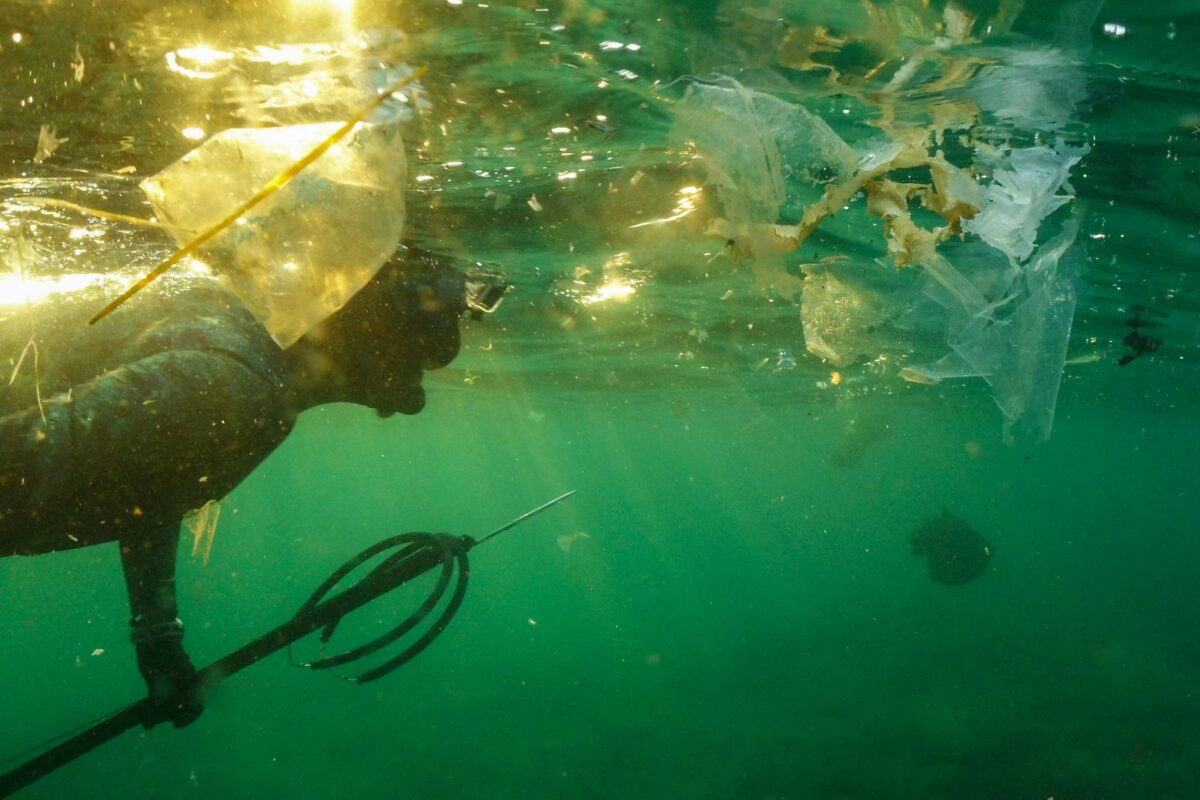
Lebanon has been ranked the third most polluted country in the world in Numbeo’s 2025 mid-year Pollution Index, scoring 89.6 and placing first in West Asia. The ranking reflects a severe and worsening environmental crisis, from deteriorating air and water quality to unmanaged waste and urban congestion.
Lebanon’s environmental degradation has become impossible to ignore as the recent data from Numbeo’s global Pollution Index shows an alarming position that reflects cumulative pressures on air, water, waste systems, and urban living conditions.
Causes?
Pollution in Lebanon isn’t limited to one sector. Air quality has deteriorated markedly, driven by heavy traffic, widespread use of diesel-powered generators during repeated electricity outages, and few effective emission controls. Such factors have led to high levels of airborne contaminants in urban centers such as Beirut and Mount Lebanon.
Solid waste management remains a persistent challenge. Garbage often accumulates in streets or in makeshift dumping sites, while many coastal and inland regions lack reliable collection services. Public dissatisfaction with waste disposal and the scarcity of green urban spaces further compound the sense of environmental decline.
Water quality is similarly at risk. Major rivers and coastal waters show signs of severe contamination: studies have found elevated levels of bacteria like E. coli and nitrates, often linked to untreated sewage, agricultural run-off, and a lack of modern wastewater treatment infrastructure. The situation affects not only drinking water but also irrigation and marine ecosystems, compounding health and economic impacts.
Environmental scientist and MP Najat Aoun Saliba places these empirical findings within a broader context of human activity and governance. She highlighted to NOW that everyday sources such as diesel generators and an aging vehicle fleet are central contributors to the country’s air-pollution profile: “Diesel generators are probably the main factor causing bad air,” she said, also noting that many vehicles on the road are nearly two decades old and lack modern emission controls. Saliba also points to traffic congestion as an amplifying factor, explaining that “idling in traffic is one of the most polluting states a car can be in.”
On water quality, Saliba notes that high bacterial loads in rivers are symptomatic of long-standing infrastructure deficiencies and inadequate management of wastewater.
Systematic corruption
Successive Lebanese governments have consistently approached environmental protection not as a public duty but as a revenue stream, resulting in policy paralysis and deliberate neglect.
Instead of investing in infrastructure, regulation, and long-term planning, authorities have repeatedly channeled resources into short-term, politically driven projects that generate contracts and funding opportunities without resolving the root causes of pollution.
This pattern is evident in the lack of a national waste strategy, the failure to enforce existing environmental regulations, and repeated reliance on costly donor-funded projects that rarely reach completion or deliver meaningful environmental improvement. As Saliba noted, environmental sectors have effectively been transformed into profit networks rather than public services, with officials “keeping crises unresolved” to justify continuous borrowing and external assistance.
The outcome is a system where mismanagement is not accidental, but embedded in governance, leaving citizens exposed to toxic air, unsafe water, and collapsing waste infrastructure while accountability remains absent.
A Contaminated Landscape
Lebanon’s pollution crisis has also deeply infiltrated the agricultural sector, threatening one of the country’s most vital sources of livelihood and food security.
Contaminated rivers and irrigation channels mean that many farmlands are now exposed to untreated sewage, industrial discharge, and agricultural runoff, introducing harmful bacteria, heavy metals, and chemicals into the soil and crops.
Air pollution compounds the problem: emissions from diesel generators and aging vehicles settle onto agricultural land, affecting plant health and crop quality.
Meanwhile, weak regulation and the absence of a sustainable environmental strategy have left farmers with limited alternatives, forcing them to work within a deteriorating ecosystem. In this context, Lebanon’s environmental collapse is not just an urban health crisis. it has a direct impact on rural life, livelihoods, and the future of local food production.
Speaking to NOW, Eliana Nehme, an agriculture and environmental engineer highlighted the scale and normalization of the problem.
“Honestly, it’s very serious and it’s getting worse. In my work on land management, forestry, agriculture, and rural areas, pollution is no longer something ‘far away’ or limited to cities. You see it everywhere: open dumping, burning waste, polluted rivers, contaminated soils, and declining air quality.” Nehme said.
What worries her the most is that pollution in Lebanon is no longer occasional or accidental, it has become normalized. “People live next to it, farm on it, and are continuously exposed to polluted environments because effective alternatives are missing.” She added.
Far from being an isolated statistic, these rankings underscore an urgent public health and governance failure rooted in years of environmental neglect and mismanagement.
Experts like Nehme emphasize that even amid Lebanon’s economic and political crises, there are practical steps that can meaningfully reduce pollution. At the local level, initiatives such as decentralized waste sorting, composting organic matter, and ending open burning could immediately cut pollution levels.
Similarly Saliba highlights that reducing emissions from diesel generators through mandatory filters is already feasible, and the key now is strict enforcement of existing regulations. Traffic management is another practical measure: keeping vehicles moving, reducing idling, and controlling traffic flow can significantly cut air pollution without major investments.
Lebanon’s pollution crisis has become a national emergency, with air, water, and soil contamination reaching levels that directly threaten public health. Studies have shown that prolonged exposure to these pollutants is linked to rising disease rates, including an 80 per cent increase in cancer cases between 1991 and 2023, a trend confirmed by global health research and highlighted by Saliba.