A border visit puts reconstruction, security, and state credibility under the spotlight
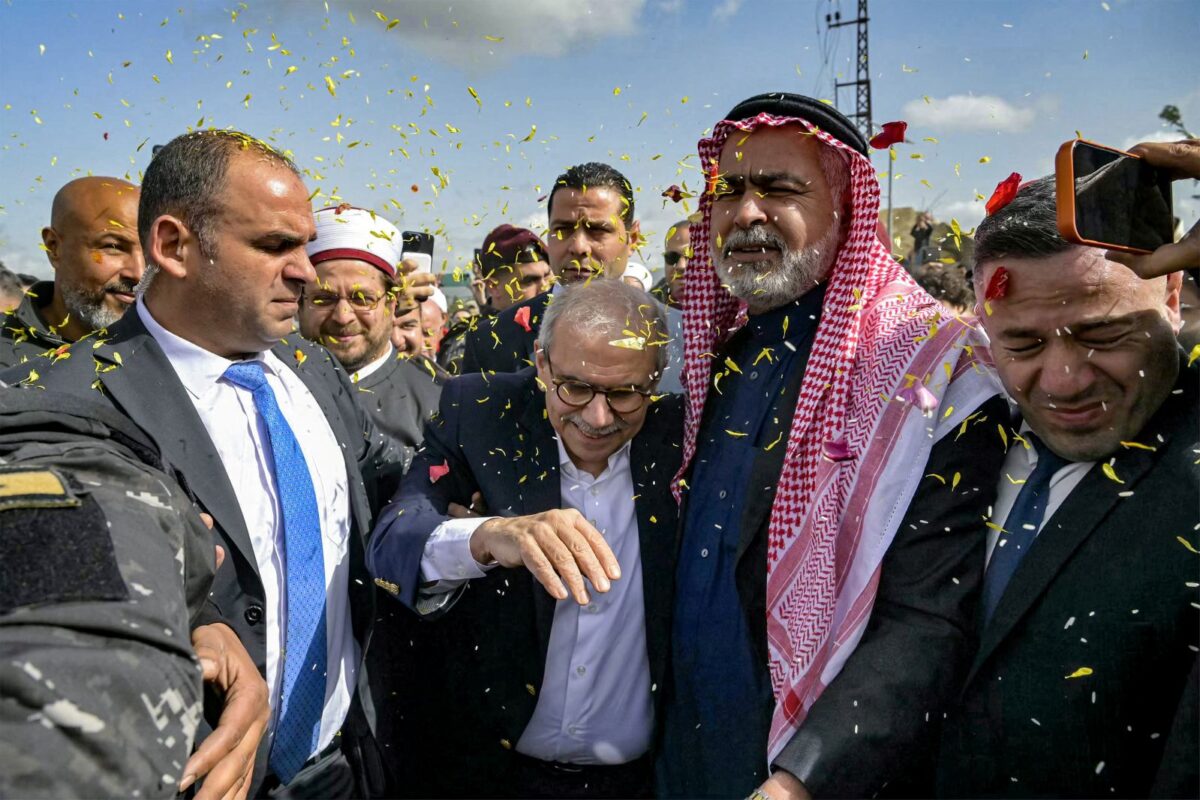
Prime Minister Nawaf Salam’s visit to Lebanon’s southern border this week marked a defining moment for the post-war phase following months of cross-border violence with Israel. During his tour, Salam pledged that rebuilding the south would be a national priority, promising to restore infrastructure, basic services, and livelihoods for residents attempting to return.
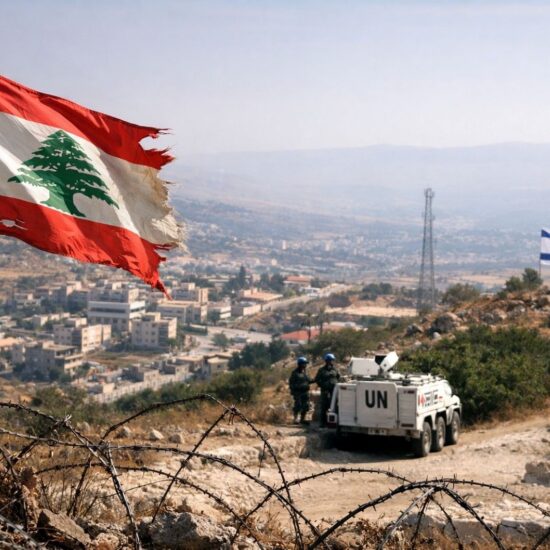
The visit came as large swathes of the South remain devastated. Homes, roads, farmland, and communications networks have suffered extensive damage, while sporadic security incidents continue to expose the fragility of the ceasefire. Beyond reconstruction, the trip carried heavy political symbolism, signaling an attempt by the state to reassert its presence in a region long shaped by conflict and parallel power structures.
Yet Salam’s promises face structural constraints. Lebanon’s financial collapse, the absence of a comprehensive recovery plan, and donor aid tied to reforms raise questions about how reconstruction will be funded and managed. As Lebanon heads toward elections and renewed diplomatic engagement, the south is emerging as the first real test of whether the state can translate rhetoric into tangible recovery.
In Lebanon
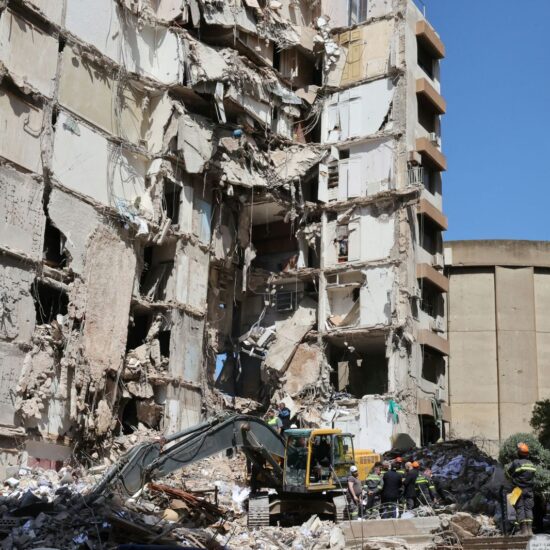
Deadly building collapse in Tripoli: A residential building collapsed on Sunday in the Bab al-Tabbaneh area of Tripoli, killing several people and injuring others. The five-storey building, located on Syria Street, fell in the late afternoon, prompting urgent rescue efforts by Civil Defense teams, the Lebanese Red Cross, and local volunteers.
Rescue workers pulled a number of residents, including a child, from the rubble, while searches continued into the evening as it remained unclear how many people were still trapped. Residents of the neighborhood gathered at the site, helping rescue teams clear debris and waiting anxiously for news of their relatives.
The collapse has once again highlighted the poor condition of many buildings in Tripoli. For years, residents and civil society groups have warned about unsafe housing, weak inspections, and the lack of maintenance in the city.
Following the incident, the Ministry of Public Health said treatment for the injured would be covered, while President Joseph Aoun was reported to be following the rescue efforts and coordinating emergency response and shelter for displaced families. The tragedy has renewed calls for urgent building inspections and action to prevent similar incidents.
A cautious opening with Damascus: Lebanon took a step toward re-engaging with Syria this week after the two sides signed an agreement in Beirut to transfer more than 300 Syrian prisoners from Lebanese jails to serve the remainder of their sentences in Syria. Officials framed the move as a practical response to prison overcrowding, but it also signals a tentative shift in long-frozen relations.
French support tied to reform and restraint: During a visit to Beirut, French Foreign Minister Jean-Noël Barrot reiterated France’s willingness to mobilize international assistance for Lebanon, including the possibility of a donor conference in Paris. But the message came with familiar conditions: banking reform, a credible loss-sharing framework, and renewed engagement with the IMF.
The south as a reconstruction test case: Prime Minister Nawaf Salam toured southern border towns on 7 February, pledging to rebuild infrastructure, restore basic services, and support communities devastated by months of cross-border violence. While the visit underscored the state’s intention to reassert its presence in the south, it also highlighted the scale of destruction and the uncertainty over how reconstruction will be funded amid Lebanon’s ongoing financial collapse.
The resignation of senior security official Wafiq Safa from Hezbollah leadership: Hezbollah announced changes to its leadership structure, replacing long-time security official Wafiq Safa in what appears to be a post-war internal reorganization. The move reflects broader recalculations following the conflict with Israel, as the group adapts to shifting political, military, and regional realities.
Gold reserves – national asset or crisis lifeline? Lebanon holds one of the largest gold reserves in the Middle East, and the idea of using it to help repay depositors has resurfaced in public debate. Traditionally enshrined as untouchable by law unless Parliament authorizes a specific exception, the reserves have long been seen as a key anchor of confidence in Lebanese finances.
Remembering Lokman Slim – 5th anniversary and the “Remaining” exhibition: This week marked the anniversary of the assassination of Lokman Slim, the Lebanese publisher and activist who was killed in February 2021. His death remains a powerful symbol of the risks faced by voices critical of political and sectarian power in Lebanon. To commemorate his legacy, the “Remaining” exhibition opened in Beirut, showcasing works that reflect on freedom of expression, collective memory, and the struggle for justice.
The exhibition features photographs, multimedia installations of individuals who were victims of political assassinations in Lebanon with testimonies from survivors, families and friends of the victims. Organizers say the exhibition aims to spark dialogue on political accountability and remembrance, ensuring that Slim’s work continues to inspire activism and critical thought amid ongoing political tensions.
In the Region
Limited relief for Gaza amid ongoing war: The Rafah crossing between Gaza and Egypt partially reopened this week, allowing a small number of medical evacuations to proceed. While the move offered a narrow humanitarian opening, it did little to alter the broader reality of a protracted conflict now stretching well beyond a year and a half.
Syrian government expands control, deepens Saudi economic ties: In Syria this week, government forces pressed ahead with efforts to extend central authority across parts of the country long held by Kurdish-led forces, deploying units to cities such as Hasakah under a ceasefire agreement aimed at integrating local security structures with Damascus’ institutions.
At the same time, Syria and Saudi Arabia signed a broad package of investment agreements worth billions of dollars, signaling Riyadh’s growing economic engagement with the country’s new leadership.
Human rights and repression remain headline issues in Iran: Beyond diplomacy, Iran’s internal situation continues to draw international attention. A renowned Iranian human rights activist and Nobel laureate was handed additional prison time this week on charges tied to her activism, even as global rights bodies have condemned the government’s brutal crackdown on dissent and extended a United Nations fact-finding mission into alleged abuses.
What we’re reading:
“Clear Messages from a Repressed and Mourning Society: Iranian Hopes for Decisive U.S. and Israeli Strikes” – Armin Soleimani examines how Iran’s nationwide protests and brutal government crackdown have pushed some within Iranian society to express hope that decisive military action by the United States or Israel could break the regime’s hold, even as others fear further destruction; amid a severe repression that has reportedly killed and injured thousands, the piece highlights deeply divided Iranian opinions on foreign intervention and notes an unprecedented deployment of U.S. forces in the region alongside ongoing rhetoric about possible negotiations.
“No Justice, NO Peace: Lokman Slim’s Laugh in the Face of His Killers”– NOW’s managing editor, Makram Rabah writes a personal and pointed commentary on the unresolved assassination of Lebanese intellectual and activist Lokman Slim in February 2021, arguing that five years after his killing in southern Lebanon under Hezbollah’s control there has been no meaningful judicial accountability and that the state’s failure to prosecute reflects a broader culture of impunity; Rabah highlights Slim’s courage in speaking truth to power, criticizes Lebanon’s selective enforcement of justice, and frames the demand for accountability as essential to peace and rule of law in the country.
“Why Elections in May Would Entrench Collapse, Not Democracy” – Elissa El Hachem argues that holding Lebanon’s parliamentary elections in May under the current political and security conditions would not strengthen democracy but instead cement the power of armed actors, particularly Hezbollah because true democratic legitimacy requires equality of competition, sovereignty, and the absence of coercion, all of which are lacking.