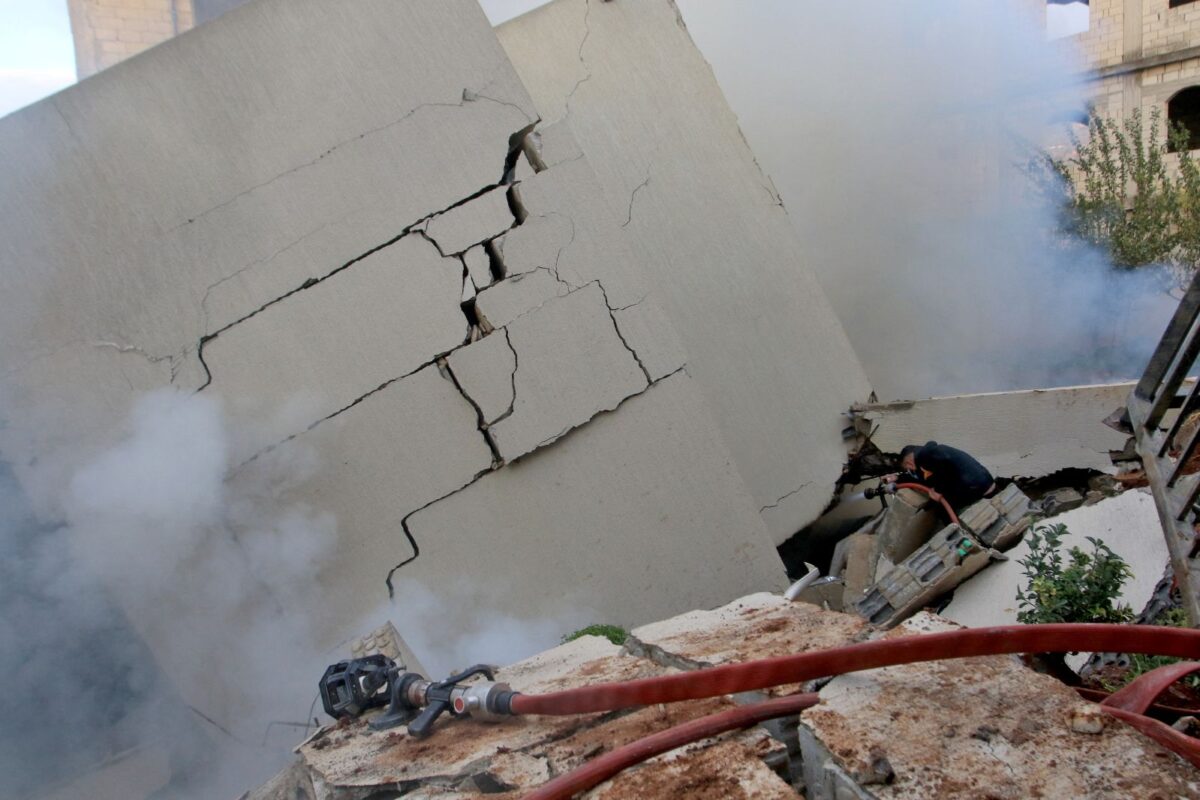
As Lebanon awaits the outcome of its next round of talks with Israel, Israeli forces continue to carry out strikes in southern Lebanon, keeping tensions high and accountability non-existent.
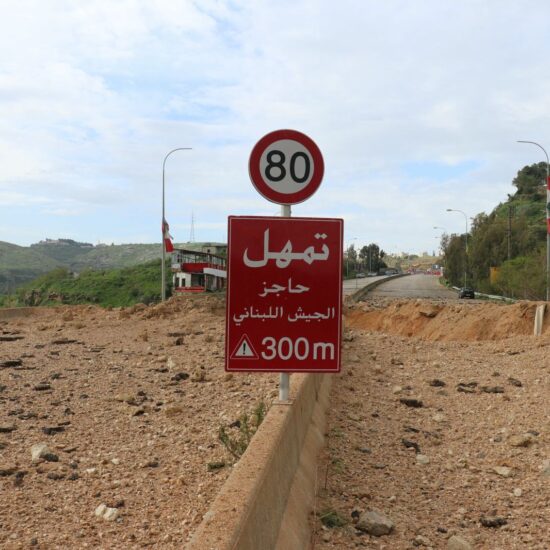
A planned Israeli strike on the southern Lebanese town of Yanouh was temporarily halted on Saturday after the Lebanese Army intervened, according to statements from Israeli officials and Lebanese security sources.
Earlier in the day, Israeli forces issued evacuation warnings to residents in the area, saying a strike on a building in Yanouh was imminent. Later, Israeli military Arabic-language spokesperson Avichay Adraee said the operation had been “temporarily suspended,” noting that the army continued to monitor the site.
Adraee said the pause followed a request by the Lebanese Army to re-enter the location, which Israel claimed was linked to a ceasefire violation. The Lebanese Army confirmed that there were no weapons in the site.
A Lebanese security source told AFP that the army returned later and was able to search the site after residents evacuated over concerns that an Israeli strike could take place. Lebanese media reported that no weapons were found inside the building and that Lebanese soldiers remained deployed there on Sunday morning.
Israeli strikes nonetheless continued in other parts of southern Lebanon. On Sunday, the Lebanese health ministry said three people were killed in separate attacks in the Yater, Safad al-Battikh and Jwaya areas. The Israeli army said the strikes targeted members of Hezbollah.
Contacts between Israel and Lebanon are limited to a ceasefire monitoring mechanism involving the United States, France and the United Nations. The next round of talks under this framework is scheduled for December 19.
In a televised address on Saturday, Hezbollah Secretary-General Sheikh Naim Qassem reiterated the group’s refusal to disarm, saying that disarmament would not end what he described as resistance, “even if the whole world unites against Lebanon.”
In Lebanon
Attack in Australia: An attack on a Hanukkah gathering in Australia shifted regional attention away from developments in Lebanon and Syria. Israeli officials were quick to point the blame towards Iran and Hezbollah, though no evidence has been presented.
Lebanese President Joseph Aoun condemned the attack in Sydney, emphasizing that the right to life is universal and that violence must be condemned everywhere. He called on the international community to address the root causes of extremism and combat terrorism by targeting both perpetrators and the ideologies that fuel such attacks.
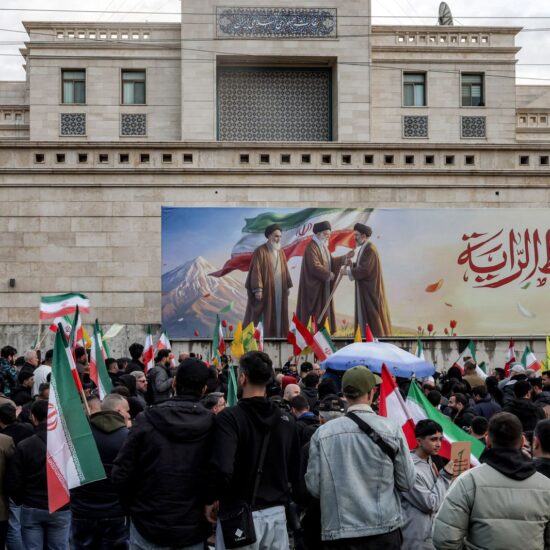
Rajji and Iran: Iran’s Foreign Minister Abbas Araqchi said he would visit Beirut for talks after receiving a formal invitation from his Lebanese counterpart. Lebanese Foreign Minister Youssef Raggi said he was unable to travel to Tehran due to current conditions, while stressing that Lebanon remains open to dialogue with Iran. Araqchi said he accepted the invitation to Beirut, while publicly questioning the need for a neutral venue between countries with diplomatic relations, and added that he understood Raggi’s decision in light of what he described as “Israeli occupation and ceasefire violations.”
Warnings to Lebanon: Lebanese Foreign Minister Youssef Raggi said Lebanon has received warnings from Arab and international parties that Israel may be preparing a large-scale military operation. He added that Beirut is intensifying diplomatic efforts to protect the country and its facilities.
RIP Ghassan Skaf: Dr. Skaf, a former parliamentarian, professor, and head of neurosurgery at the American University of Beirut, has passed away. He is survived by his wife and three sons, Philip, Patrick, and Ralph.
In The Region
US Soldiers Killed in Syria: Two U.S. soldiers and a U.S. civilian interpreter were killed in an ambush in Palmyra, central Syria, with three other U.S. service members injured. U.S. Central Command said the attack was carried out by a lone gunman believed to be linked to the Islamic State, while Syrian state media reported two Syrian personnel were also wounded.
The identities of the deceased Americans have not been released pending notification of next of kin. U.S. and Syrian officials condemned the attack, and the incident is under investigation. President Trump said there would be a “very serious retaliation,” while two of the injured Americans have since been released from hospital.
Gaza and Rain: At least 10 people have died in Gaza from heavy rain, the WHO said, as thousands of displaced families shelter in tents. Director-General Tedros warned poor sanitation and overcrowding could trigger disease outbreaks and called for urgent delivery of medical supplies.
Hamas Leader Killed: Hamas confirmed senior commander Raed Saad was killed in an Israeli strike near Gaza City, wounding at least 25. The group accused Israel of violating the October ceasefire and called for aid access. Hamas said it remains committed to the truce but opposes international control beyond monitoring and separating the sides.
What We Are Reading
The Unbearable Weight of Clarity: Eli Khoury writes about the striking contrast between outsiders, such as Morgan Ortagus, who speak about Lebanon with clarity and directness, and local political elites, who often rely on jargon, nostalgia, and selective memory. He argues that decades of conflict have shaped a system where ordinary citizens display resilience and competence, while many leaders remain incapable of confronting the country’s challenges honestly.
20 Years after the assassination of Gebran Tueni, justice remains elusive: Journalist Laura Hulsemann writes on the 20th anniversary of Gebran Tueni’s assassination, highlighting his fight against Syrian influence in Lebanon. Tueni, editor of An-Nahar and a prominent politician, was killed in 2005 along with other figures who opposed Syrian control, including Rafic Hariri and Samir Kassir.
Assad’s Leaks: Hezbollah’s Final Nail in their Coffin: NOW’s managing editor Makram Rabah writes on leaked recordings revealing Bashar al-Assad’s contempt for Hezbollah, showing that the alliance long presented as an “axis of resistance” was, in Assad’s view, a utilitarian arrangement. The recordings depict Hezbollah fighters as expendable tools, used to sustain Assad’s power rather than serve Lebanese or Syrian interests. Rabah also criticizes Hezbollah leader Hassan Nasrallah for glorifying their sacrifices in public rhetoric while sending fighters to die in a conflict unrelated to Lebanon’s security.
How the fall of the Syrian regime has rewritten Hezbollah’s reality: Journalist Rodayna Raydan writes that one year after Bashar al-Assad’s fall, Hezbollah’s regional influence has sharply declined. The collapse of Syria disrupted the land corridor that Iran used to supply the group with weapons, funds, and logistical support, leaving Hezbollah isolated and financially pressured. Analysts say the party’s power was never independent but reliant on allies like Assad, Hamas, and Iraqi factions, all of which have weakened. Hezbollah now faces mounting international pressure to reassess its weapons and cross-border activities, while Iran seeks new ways to maintain influence