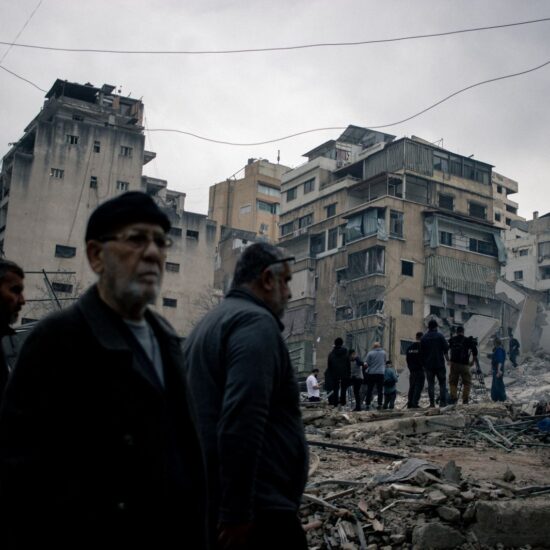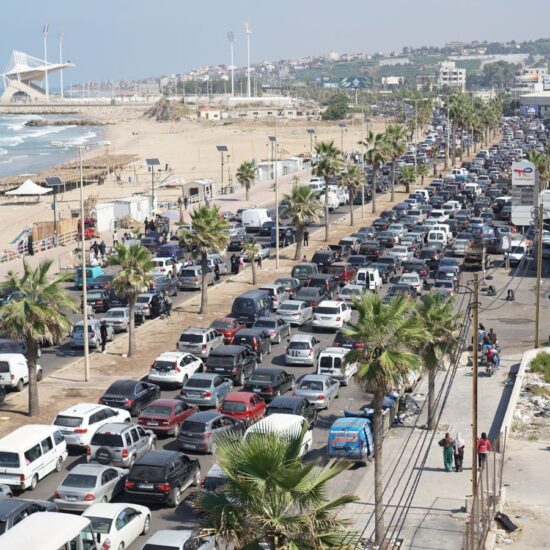
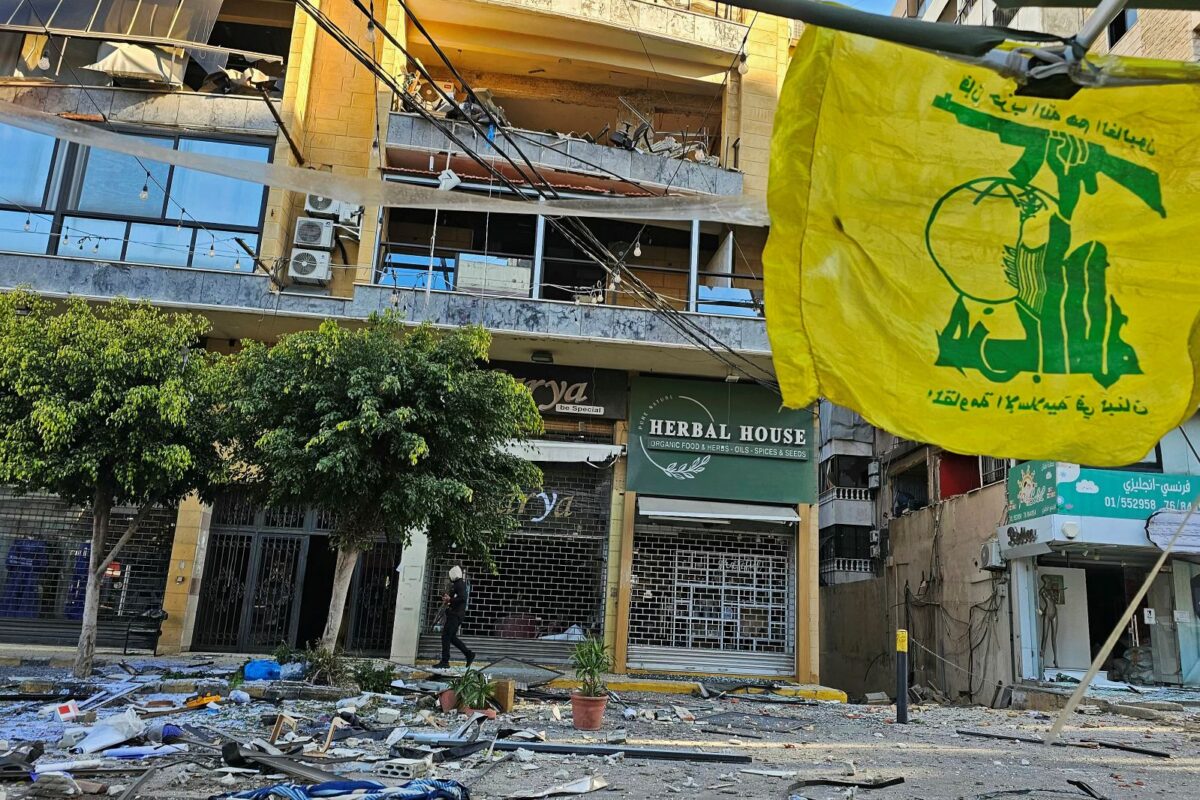
The Lebanese government wants to ban Hezbollah’s military activity — but the militia has largely ignored this move. With the state lacking the strength to enforce its own decision, analysts warn the decision could amount to little more than political symbolism.
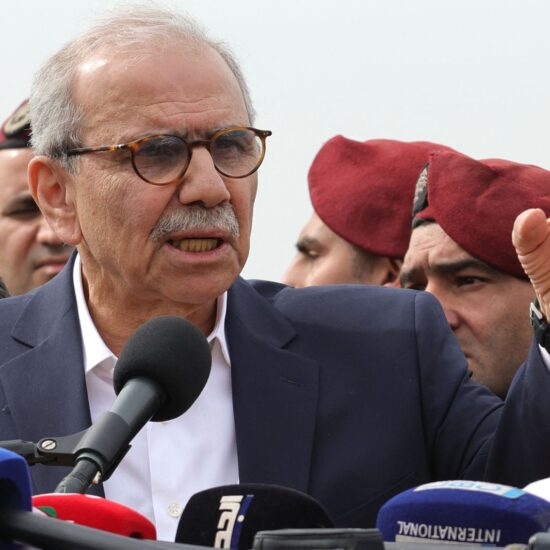
On Monday, the government announced the ban — which is a first in the country’s history. But “Hezbollah will likely face zero meaningful consequences from the Lebanese state,” former judge and legal expert on terrorism Peter Germanos told Now.
The problem with the militia is that it enjoys strong ties to other state actors, including its seats in Parliament as well as direct or indirect control over the executive. “The ban, therefore, collides with a structural reality. The entity being ‘banned’ is simultaneously part of the institutions expected to enforce the ban,” he added.
The government’s decision did not intimidate the militia. Shortly after the announcement of the ban, Hezbollah strongly criticized the government’s decision. And in the past days, Hezbollah kept sending rockets towards Israel — attacks that can be interpreted as defiance of the government’s announcement.
“They’re trying to ignore the whole thing and pretend it doesn’t matter,” senior resident scholar at the Arab Gulf States Institute, Hussein Yusuf Kamal Ibish, told Now. Hezbollah would never voluntarily give up its weapons and independence, he added.
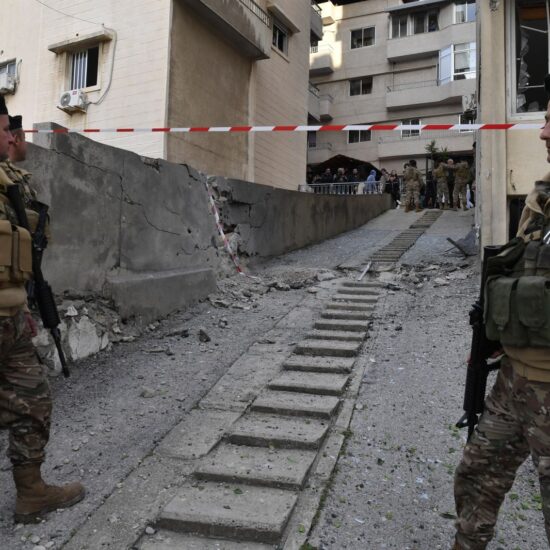
Nevertheless the Lebanese army conducted a raid, allegedly arresting Hezbollah members with Kalashnikovs, Lebanese news outlets reported on Wednesday. Hezbollah is also significantly weakened and its closest political backer — Iran — is facing sustained Israeli and American military attacks. The current moment presents a rare opportunity for the Lebanese government to establish exclusive control over the use of force within its borders.
There are four components determining the success of the ban on Hezbollah — Lebanon’s state capacity, the public opinion, Israel’s military actions inside Lebanon and lastly, time itself.
In theory, the ban is a “sovereign decision that signals a shift from political tolerance to legal prohibition”, Germanos argues. Typically, such a decision would prompt security services, regulators, and prosecutors to scrutinize Hezbollah’s activities, including its financial networks and media operations. Consequently, measures such as arrests and asset freezes should be implemented to prevent the financing of Hezbollah’s military action.
But Lebanon’s weak institutions and limited state capacity undermine enforcement of the Hezbollah ban, which “risks being a symbolic communiqué”, Germanos warned. “Without a monopoly of force, an independent judiciary, and a unified command of security agencies, the legal implications remain mostly theoretical.”
In addition to weak institutions, Lebanon’s sectarian system is a pitfall for the government. Germanos points to the early 1980s as an example. At the time, the Lebanese army split along sectarian lines due to polarization and political pressure. If the Lebanese army now tries to arrest Hezbollah operatives in Shia-majority regions, they “risk immediate paralysis”, he says. “Units may refuse orders, local cooperation evaporates, and the army’s freedom of movement collapses.”
Nevertheless, many are currently frustrated with Hezbollah’s military actions, as the Lebanese citizens bear the burden of the consequences of the militia’s involvement in the war. This growing discontent — also within the Shia community — creates space for the government to take action against Hezbollah.
Public support also hinges on Israel’s actions in Lebanon, which in turn affects the government’s ability to enforce the ban effectively. Before the onset of the war in Lebanon, Israel threatened to target Lebanese national infrastructure, including Beirut’s airport. However, its airstrikes have so far focused primarily on Hezbollah assets, such as the Al-Manar TV station and associated banks. While Ibish considers Israel’s initial threat to national infrastructure a credible one, he notes that the strategy has since shifted. With the ban in place, Israel is “observing the state moving boldly, frankly, in the Lebanese context, to confront Hezbollah politically and legally,” he said.
But Israel has also initiated a ground invasion of Lebanon, which Ibish interprets as an effort to significantly weaken Hezbollah. At the same time, Israel has announced the evacuation of most areas south of the Litani River. “Israel is likely to create a buffer zone, an occupied area in the south,” he added. This, however, presents a serious challenge, as it “will be counterproductive for the Lebanese government and play into Hezbollah’s hands significantly,” he warns.
“Either you have a Lebanon that is dominated by the Lebanese state or one in which Hezbollah has a free hand,” Ibish said. As a last option, “there’s total anarchy, but that’s not good for anybody,” he added.
The ban confronts Lebanon with a question it has deferred for decades: whether the state can truly claim exclusive authority over war and peace. Announcing the decision is politically significant, but its meaning will be measured by what follows — whether institutions translate it into concrete action or allow it to fade into symbolism. Israel’s military campaign, Hezbollah’s response, and the durability of domestic consensus will all shape the outcome.
Banning Hezbollah’s military wing is not easy and it will take months, if not years, Ibish argues. Time will tell “whether this is just rhetorical or a real inflection point in the way this country is run and governed.”