Why it matters:
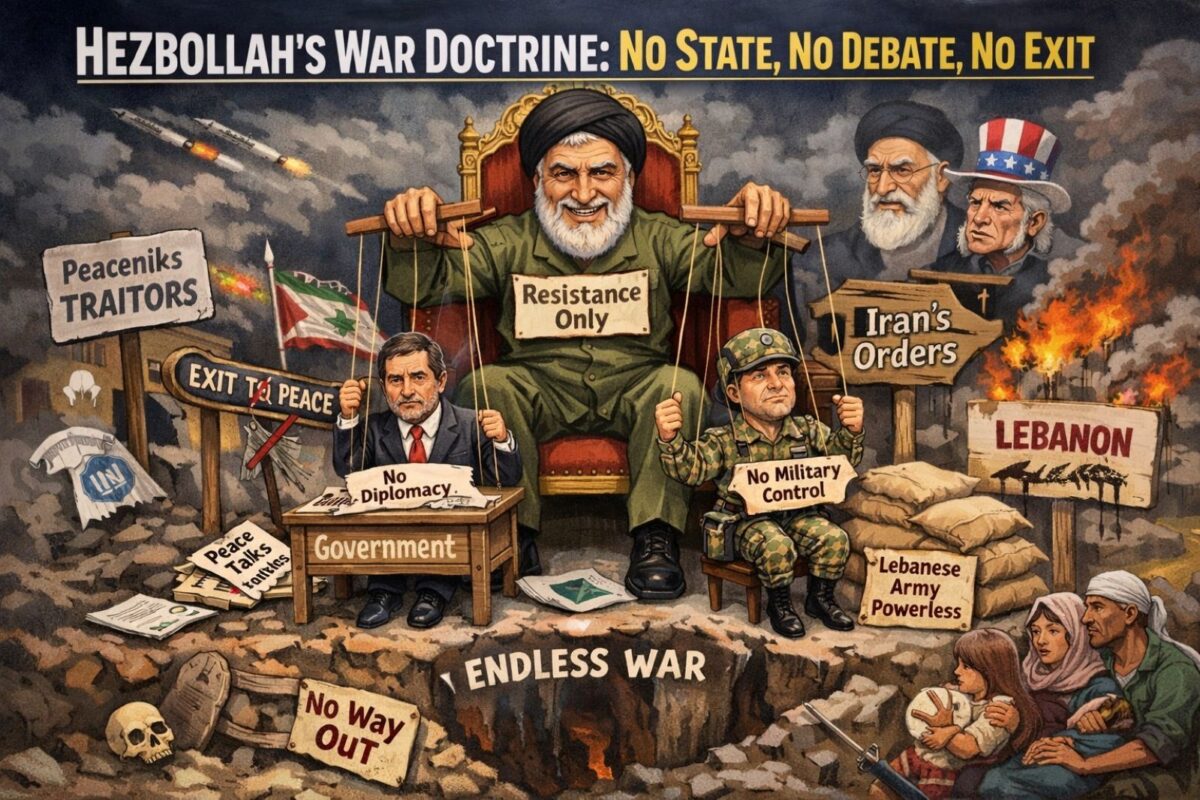
Hezbollah’s latest speech isn’t just rhetoric—it’s a declaration that Lebanon’s fate is no longer up for negotiation. By rejecting diplomacy outright and framing the conflict as existential, the party is effectively shutting down any political pathway out of war.
What happened:
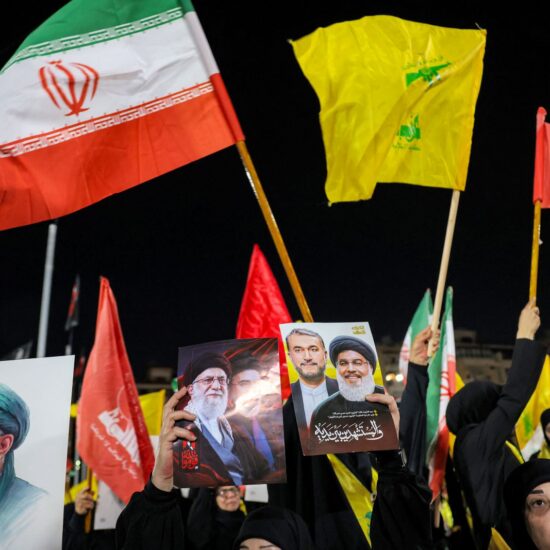
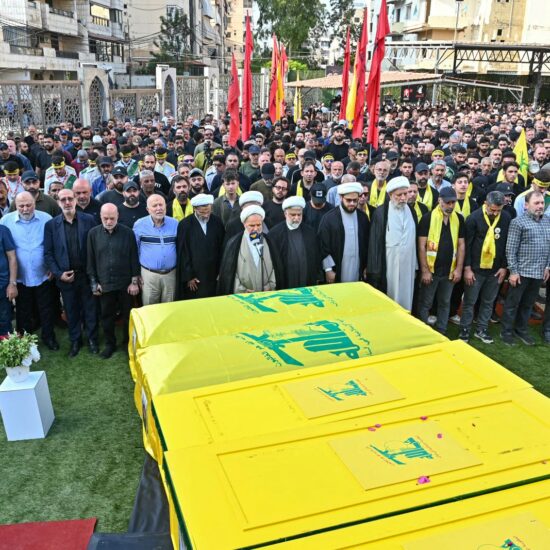
In a sharply escalatory address, Hezbollah Secretary-General Naim Qassem dismissed any negotiation with Israel under current conditions as “surrender,” doubling down on a binary choice: submission or open-ended war.
He portrayed the conflict not as a limited confrontation, but as part of a sweeping U.S.–Israeli regional project—one that, he claims, necessitates total resistance. The message was clear: this is not a war with boundaries, timelines, or compromise.
What he’s really saying:
Behind the slogans lies a more troubling reality: Hezbollah is not just rejecting negotiation—it is rejecting the very idea that the Lebanese state has a say in war and peace.
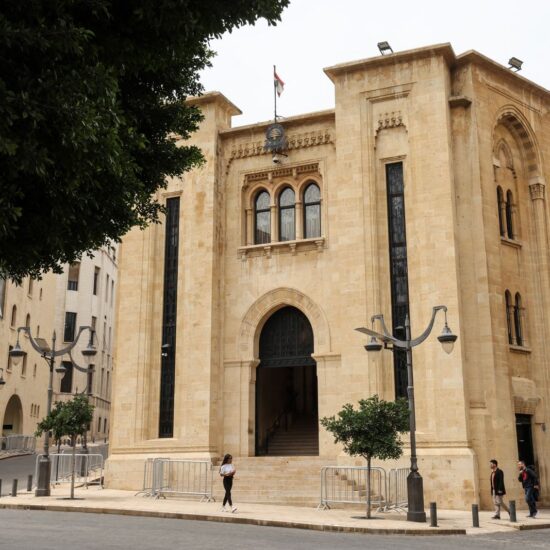
By insisting that only “resistance” determines timing, escalation, and outcome, Qassem effectively sidelines all state institutions. The Lebanese government, army, and public are reduced to spectators—or worse, collateral participants.
The false binary:
Qassem’s framing—“either surrender or resisit”—is not a strategy. It’s a trap.
It erases every alternative: diplomacy, de-escalation, international mediation, or even internal consensus. In doing so, it forces Lebanon into a perpetual war footing, where any dissent becomes betrayal and any questioning becomes weakness.
The contradiction:
Hezbollah insists this is a “Lebanese defensive war,” yet ties it explicitly to Iran’s regional confrontation with the United States and Israel.
You can’t have both.
Either this is a sovereign national defense—decided by Lebanese institutions—or it is part of a broader regional axis conflict. Qassem’s speech tries to blur that line, but in doing so, it exposes it.
Zoom out:
This is not new—but it is more explicit than ever.
Hezbollah is moving from managing conflict to institutionalizing it. The war is no longer a phase; it is becoming the framework. Politics is no longer a space for negotiation; it is being redefined as alignment with the battlefield.
What this means for Lebanon:
There is no near-term political solution—not because one doesn’t exist, but because it is being preemptively rejected.
Internal unity is being redefined as obedience, narrowing the already fragile space for dissent.
The state’s authority continues to erode, not through collapse, but through systematic bypassing.
The bottom line:
Qassem didn’t just reject negotiation—he rejected the premise that Lebanon should decide its own future.
And in doing so, he offered the country not a strategy, but a sentence: a war with no timeline, no accountability, and no exit.