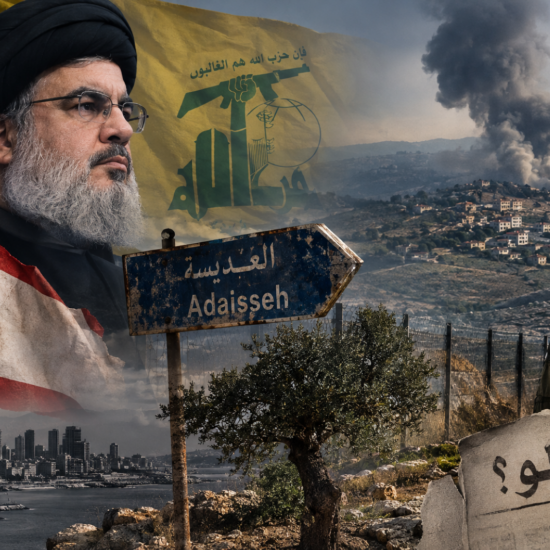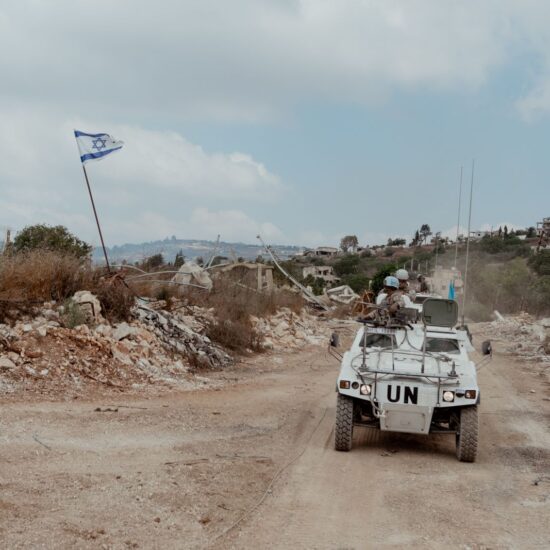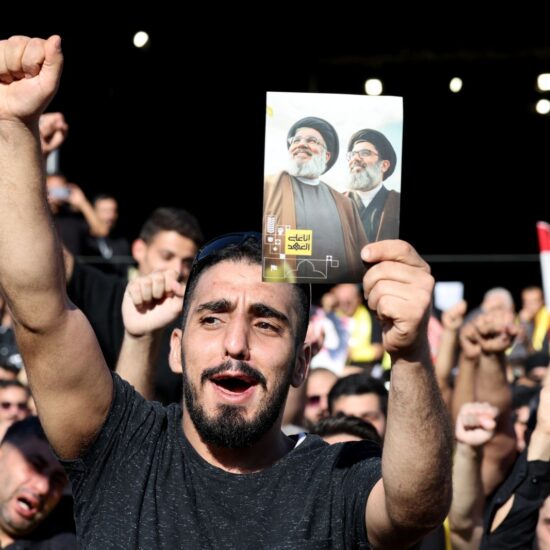
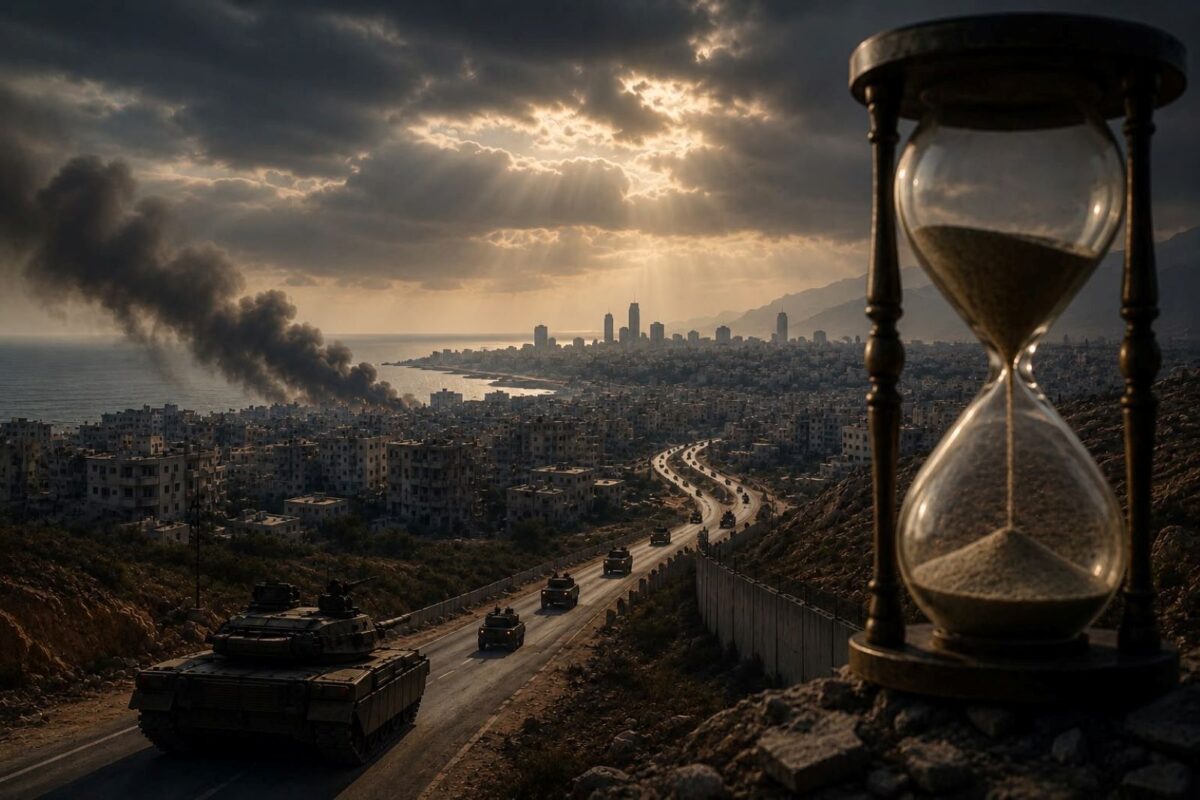
The latest escalation in Lebanon should not be read as just another exchange of fire along the southern front. What makes this moment different is not simply the intensity of the Israeli strikes, but their geography and political meaning.
For months, many in Lebanon and the Arab world have reassured themselves with a familiar assumption: that Israel may bomb, threaten, and escalate, but that Washington will ultimately restrain it. This assumption has become part of a broader conspiratorial comfort zone — the belief that Israel is fully under American control, and that once Trump makes a few phone calls, the war machine will stop.This is a dangerous illusion.
Israel listens to Washington, but it does not obey Washington when it believes its national security is at stake. The United States can pressure, delay, manage, and sometimes contain Israeli action. But it cannot always dictate the limits of Israeli military strategy. Those who assume that Trump can simply pick up the phone and stop Israel from expanding the war into Lebanon are misreading both Israel and the moment.
The drive to Beirut is real.
It may not come in the old image of tanks rolling immediately into the capital. It may come in stages: expanding airstrikes, assassinations, evacuation orders, destruction of infrastructure, the widening of the southern no-man’s land, and the gradual normalization of Beirut’s southern suburbs as part of the battlefield. But the logic is clear. Israel is no longer signaling that it only wants to push Hezbollah away from the border. It is signaling that it wants to reach the organization’s head.
And that head, in Israel’s view, is not the fighter in the village or the rocket launcher in the valley. It is the remaining Hezbollah leadership embedded in Beirut and protected by the density of civilian life around it.
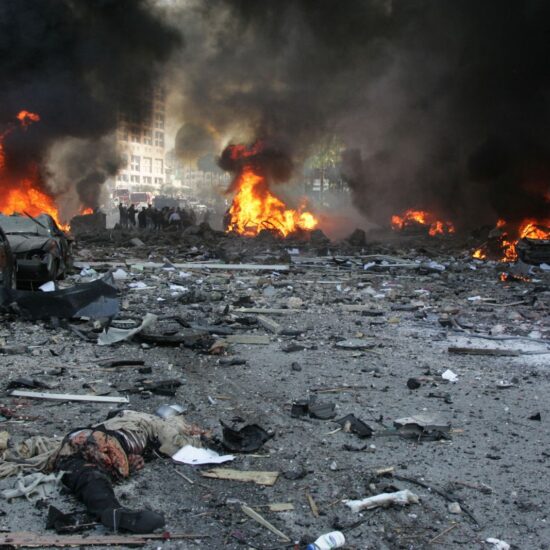
This is why the strike on the southern suburbs matters. It breaks the illusion that Beirut remains outside the rules of engagement. Once that barrier falls, the war is no longer confined to the south. The Lebanese capital itself becomes part of the military map.
In Lebanon, this reality is still being digested too slowly. President Joseph Aoun may be receiving phone calls from Trump and from officials in his administration. These calls matter. They signal that Washington still wants a political track, still wants the Lebanese state to act, and still prefers an outcome short of a wider Israeli invasion.
But the phone will not ring twice.
Lebanon is being given a narrow window to act. If the Lebanese state does not move seriously, visibly, and immediately to restore its authority over war and peace, then outside powers will act over its head. Israel will not wait indefinitely for Lebanese consensus. Washington will not spend endless political capital restraining Israel while Hezbollah remains armed, entrenched, and tied to Iran’s regional strategy.
This is the brutal equation Lebanon must now confront.
Either the Lebanese state begins to reclaim the decision of war and peace, or that decision will be made by others: by Israel through force, by Iran through Hezbollah, and by Washington through crisis management. In all cases, Lebanon itself becomes less a sovereign actor and more an arena.
Iran understands this. Its response is not driven by love for Lebanon, nor even by loyalty to Hezbollah as a Lebanese actor. Tehran wants to preserve the “Lebanon card” in its negotiations with the United States. It wants to tell Washington that no regional deal can happen unless Iran’s role in Lebanon is recognized.
But this only confirms the tragedy. Lebanon is not being defended as a state. It is being used as leverage.
Hezbollah and Iran may hope to return to the old bargain: Israeli withdrawal, quiet on the border, and a restoration of the pre-October 7 rules. But that world is gone. Israel is unlikely to accept a heavily armed Hezbollah on its northern border as a manageable threat. It now sees that arrangement as an intolerable risk.
This is true with or without Netanyahu. Lebanese and Arab commentators who reduce everything to Netanyahu’s political survival miss the larger shift inside Israel. After October 7, the Israeli security establishment will not easily accept the old formulas. Any Israeli prime minister will be under pressure to prevent Hezbollah from rebuilding its former position.
That is what makes this moment so dangerous.
The military solution Israel is pursuing may be destructive, bloody, and incomplete. It may fail to eliminate Hezbollah as a political and social force. It may produce enormous civilian suffering and a prolonged confrontation inside Lebanon. But none of that means Israel is bluffing.
The Lebanese mistake is to confuse the danger of a plan with the impossibility of its execution. Israel may pay a price for going deeper into Lebanon. But it may still go deeper. It may face American objections. But it may still proceed. It may not be able to destroy Hezbollah entirely. But it may still destroy much of Lebanon in the attempt.
This is why waiting is not a strategy.
Lebanon cannot afford to hide behind theories that Washington will save it, that Trump will restrain Israel, that Iran will protect it, or that Hezbollah can calibrate escalation forever. The margin for maneuver is shrinking. The warnings are no longer rhetorical. The map is changing in real time.
What began as a southern front is now becoming a direct test of Lebanese sovereignty.
The question is no longer whether Israel wants a buffer zone. The question is whether Lebanon understands that Israel’s horizon has moved beyond the border.
And if Beirut does not act before the next call, it may discover that the call was not an invitation to negotiate.
It was the last warning.
Makram Rabah is the managing editor at Now Lebanon and an Assistant Professor at the American University of Beirut, Department of History. His book Conflict on Mount Lebanon: The Druze, the Maronites and Collective Memory (Edinburgh University Press) covers collective identities and the Lebanese Civil War. He tweets at @makramrabah