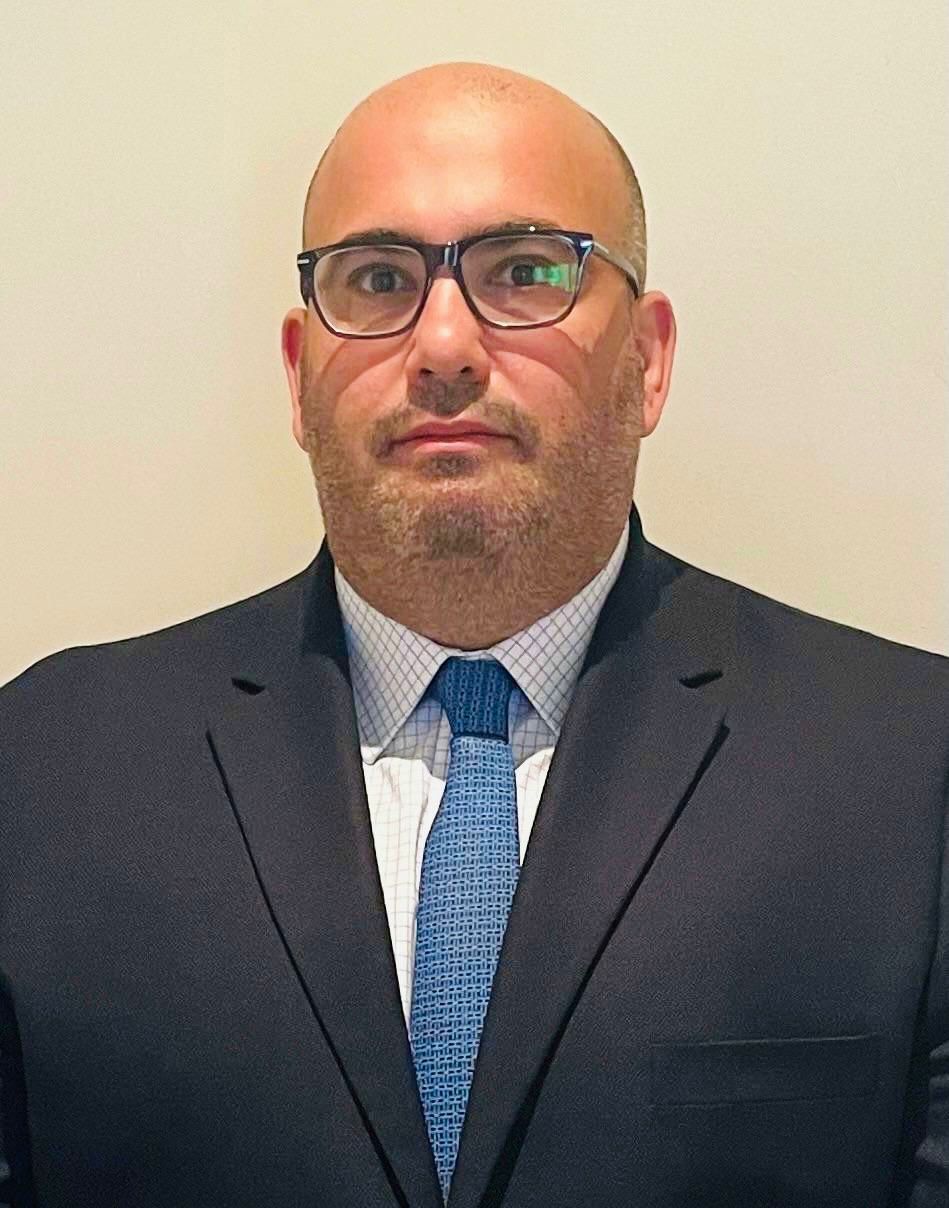
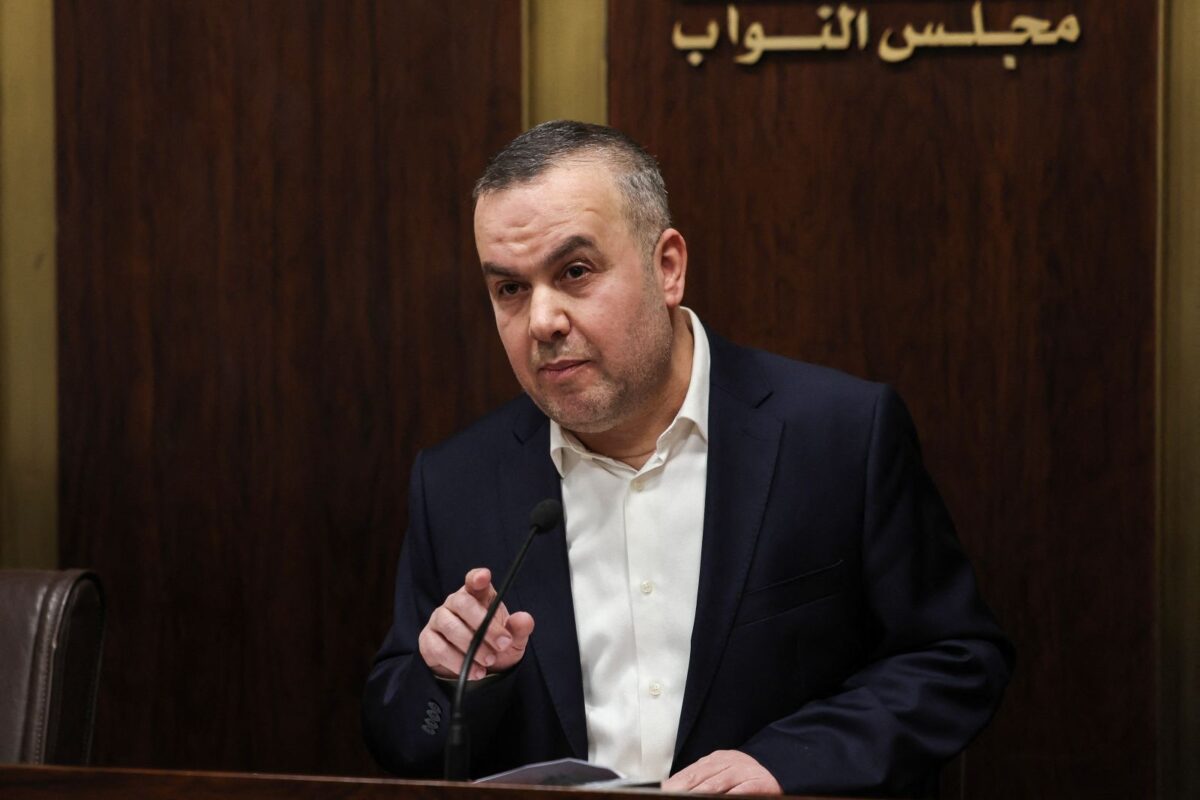
Photo by ANWAR AMRO / AFP. Hezbollah lawmaker Hassan Fadlallah speaks during a news conference at the Lebanese Parliament in Beirut on April 15, 2026.
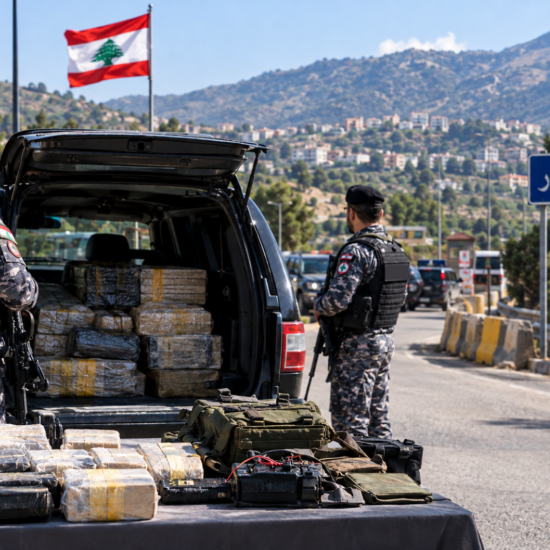
Earlier this month, security forces stopped a truck at the Dahr al-Baydar checkpoint on the Beirut-Bekaa road. It was carrying hundreds of kilograms of TNT and C4. Prime Minister Nawaf Salam called it a “criminal operation.” Days later, Hezbollah MP Hassan Fadlallah cleared up the mystery: the truck and its cargo belonged to the resistance, and the state should return them, along with the two men arrested inside. In most countries, this would be called a confession. In Lebanon, it was presented as a claim for lost property.
In most countries, this would be called a confession. In Lebanon, it was presented as a claim for lost property.
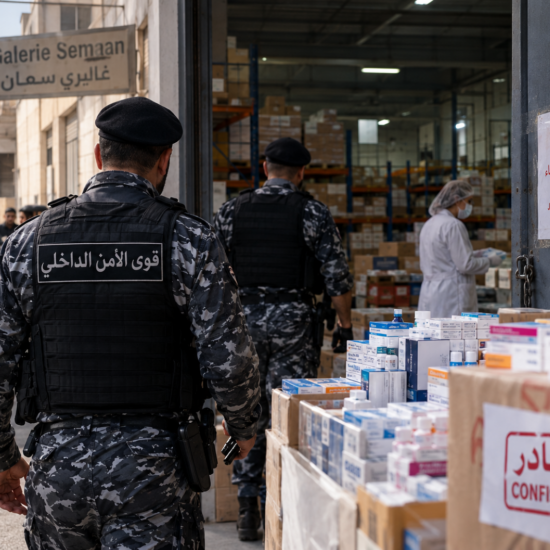
Then came the Galerie Semaan neighborhood incident. On October 16, a security forces patrol went to seal a warehouse near the southern suburbs containing spoiled medicines. Armed men on motorcycles surrounded the warehouse and withdrew only when the army arrived. Hezbollah denied any link to the warehouse but complained that the patrol had ignored “the mechanism agreed upon between Hezbollah and the security authorities.” The state, apparently, must first agree with Hezbollah on how to inspect expired drugs before confiscating them.
The state, apparently, must first agree with Hezbollah on how to inspect expired drugs before confiscating them.
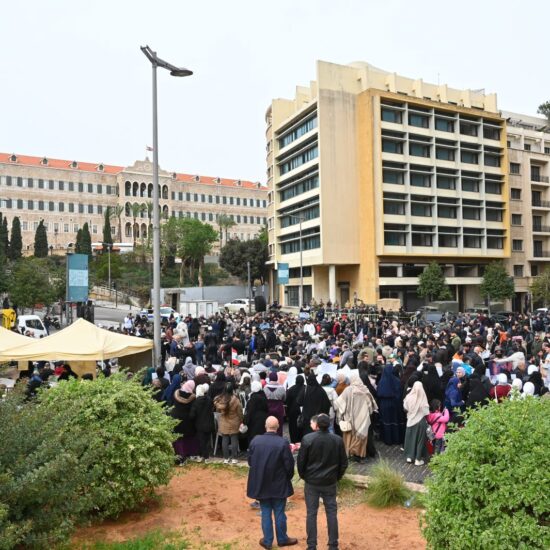
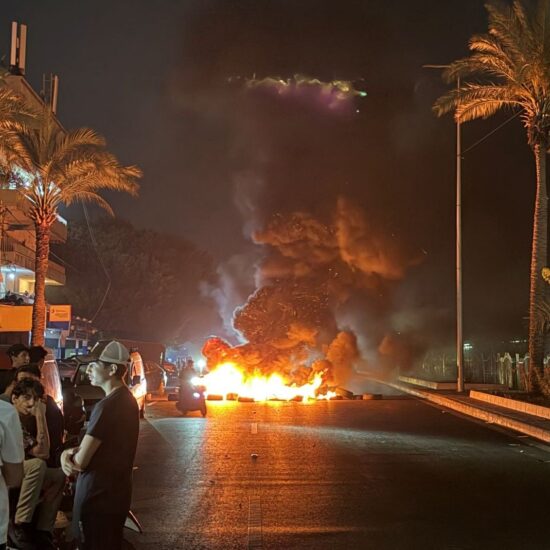
Every attempt to assert state authority brings the same response. Hezbollah officials warn, analysts worry, and talk shows reach for the oldest word in the Lebanese dictionary: civil war. In August 2025, Hezbollah’s Secretary General Naim Qassem accused the government of executing an American and Israeli order to eliminate the resistance even at the cost of civil war, and warned there would be “no life” in Lebanon if the state moved against his party. We have heard such warnings since 1990. They have become a way to stop the state from acting.
Power sharing for its own sake
Why does the warning work? Start with the political system. Arend Lijphart argued that divided societies could be stable if their elites shared power through a grand coalition, mutual veto, proportionality, and communal autonomy. Lebanon was one of his cases. The bargain was a means: elites cooperate at the top so society below can build a functioning state.
power sharing does not build a better state. It exists for its own sake
Lebanon kept the means and ignored the end. Here, power sharing does not build a better state. It exists for its own sake. The grand coalition became a cartel, the veto became a source of paralysis, and proportionality became a formula for dividing jobs and contracts. Horse trading is not the price of the system. It is the system. When everything belongs to a community, every decision becomes communal, including appointing a new governor with questionable university degrees or confiscating expired medicine from a warehouse.
An armed party is not a community
This is the grave mistake: every challenge to Hezbollah’s weapons is framed as a confrontation between communities. In Lebanon, civil war recalls communal groups taking up arms against each other. Lebanon knows this genre well: from 1840 to 1860, in 1958, and from 1975 to 1990, communal groups took up arms either to defend their share of the system or to gain a larger share.
Today we face something else: a militant nonstate actor that rejects, by force, the state’s authority to preserve its weapons, territory, and, apparently, pharmaceutical warehouses
Today we face something else: a militant nonstate actor that rejects, by force, the state’s authority to preserve its weapons, territory, and, apparently, pharmaceutical warehouses. The other party is not another communal group. It is the state. In his 1919 lecture “Politics as a Vocation,” Max Weber defined the state as the body that successfully claims a monopoly on the legitimate use of force within a territory. An armed party cannot claim the right to defy the state simply because it represents part of a community. A group that uses force to decide which government decisions it will obey claims the right to overrule the state.
How the confrontation is described matters. Presenting it as a conflict between communities casts the state as a mediator, expected to wait for consensus that might come from outside. An armed challenge to state authority requires the state to enforce the law. Consider May 7, 2008: an armed party used force to overturn cabinet decisions it opposed. Describing this only as a communal confrontation obscures who took up arms and why.
Chiyah versus Tariq al-Jdideh?
What exactly is the communal conflict we are being warned about? If the army seizes Hezbollah’s weapons, why would enforcing a government decision lead to fighting between the residents of Chiyah and Tariq al-Jdideh, for example? What exactly are they supposed to be fighting over? The truck? The explosives? The right to stop the police from entering a warehouse?
The risk of violence is real. But Hezbollah’s weapons cannot be treated as an expression of a community’s identity, with every attempt to confiscate them cast as an attack on that community.
The risk of violence is real. But Hezbollah’s weapons cannot be treated as an expression of a community’s identity, with every attempt to confiscate them cast as an attack on that community. This is how Hezbollah uses the power-sharing argument to its advantage and to protect its weapons: it makes law enforcement conditional on communal consent. The question is whether the state can act against an armed party without being accused of acting against the people that party claims to represent. If the answer is no, Hezbollah decides where the state’s authority ends.
Khalil Gebara is an academic and researcher.
The views in this story reflect those of the author alone and do not necessarily reflect the beliefs of NOW.