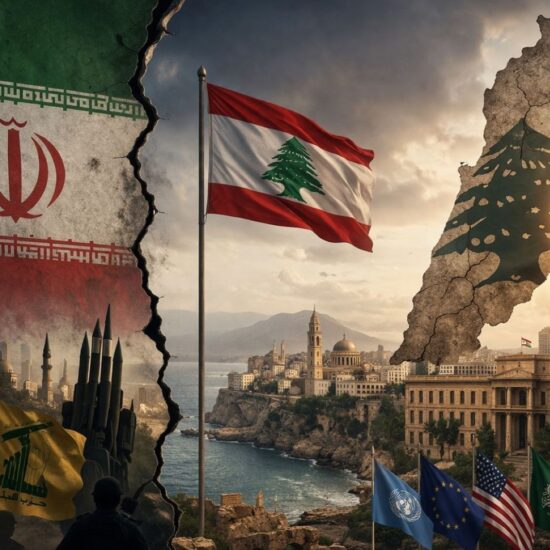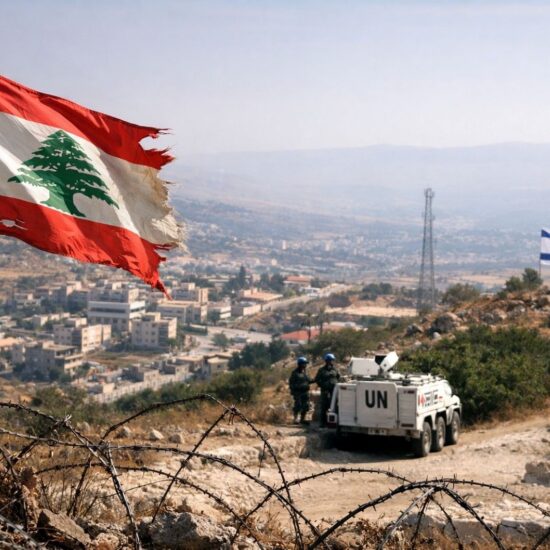

On 26 November 2025, Lebanon marks one year since the ceasefire with Israel, which stopped the fighting and brought renewed commitments to implementing UN Security Council Resolution 1701.
The deal promised a pause to hostilities, the reinforcement of the Lebanese Army in the South, and renewed international oversight through UNIFIL.
Over the past twelve months, both sides have claimed commitment to the agreement, yet violations have persisted: Israel continues to carry out strikes and maintain positions along the border, while Hezbollah’s military presence and alleged operations south of the Litani remain a central point of dispute.
The Lebanese Army has expanded its deployment but still faces major logistical and political challenges, and the government’s ability to enforce the deal is limited by the country’s wider political and economic crisis and Hezbollahs agreement to disarmament.
What resolution 1701 is and why it matters?
UN Resolution 1701, passed after the 2006 war, is the basis of today’s ceasefire. The resolution calls for an end to hostilities, the removal of armed groups from the area between the Blue Line and the Litani River, the deployment of the Lebanese Army in the South, and a stronger role for UNIFIL to monitor the situation. For years, these measures were only partly applied, but the 2024 ceasefire brought 1701 back to the center of efforts to stabilize the border.
What the Ceasefire Achieved and Where It Fell Short
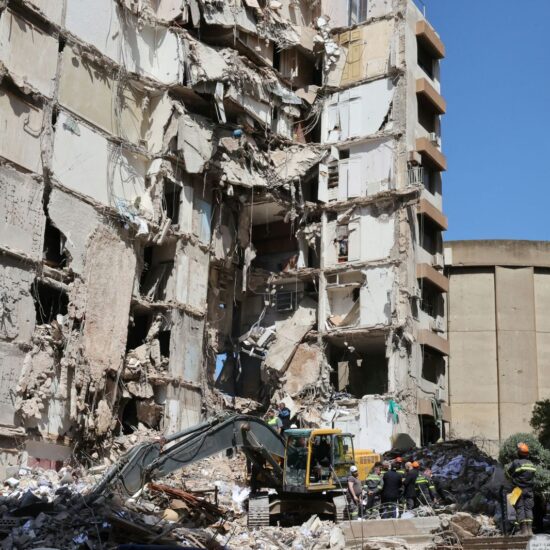
Over the past year, the ceasefire has succeeded in preventing major clashes along the border. The Lebanese Army has expanded its deployment in several southern towns, and UNIFIL continues to play a central role in observing activity on both sides of the Blue Line. However, the truce remains on edge. Israel has carried out intermittent air and drone strikes and continues to hold positions in several border areas, while Hezbollah’s movements and suspected military preparations have repeatedly drawn attention.
The ceasefire has been frequently disrupted by events mainly from the Israeli military that highlight how limited and fragile the agreement really is.
Main challenges & risks
Although some progress has been made, several major obstacles continue to threaten the stability of the ceasefire.
Many of the key elements of Resolution 1701 are still only partially implemented, leaving significant gaps on the ground. Trust between the parties remains extremely low, shaped by years of conflict, political uncertainty, and ongoing security incidents.
UNIFIL, while active across the South, operates under a limited mandate that allows it to monitor and report violations but not prevent them, meaning its ability to stop escalation is constrained.
The actions of the two sides
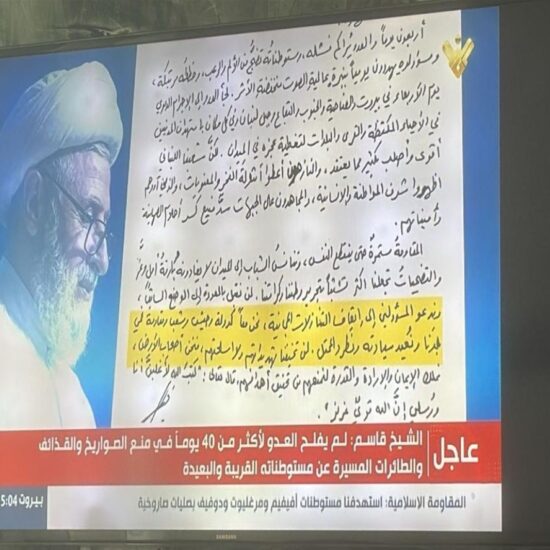
Hezbollah has publicly committed to the ceasefire while coordinating with the Lebanese Army on certain aspects of implementation, yet it continues to wield military influence across the South. Israel, for its part, insists that security threats persist and justifies its operations accordingly, even as these actions contradict the spirit of the truce. The Lebanese government has expressed support for the agreement but struggles to impose full authority in the South due to political paralysis and financial strain. Meanwhile, the Lebanese Army faces enormous operational challenges as it tries to police the border and maintain credibility with both the population and international partners.
Despite the progress made, several major obstacles continue to threaten the stability of the ceasefire. Many of the key elements of Resolution 1701 are still only partially implemented, leaving significant gaps on the ground. Trust between the parties remains extremely low, shaped by years of conflict, political rhetoric, and ongoing security incidents. UNIFIL, while active across the South, operates under a limited mandate that allows it to monitor and report violations but not prevent them, meaning its ability to stop escalation is inherently constrained.
Challenges
Lebanon’s internal situation adds another layer of fragility. The state is weakened by a severe economic crisis, political paralysis, and chronic underfunding of its institutions, including the Lebanese Army, at a moment when stronger governance and security coordination are essential to maintaining calm.
External actors continue to play a decisive role in shaping the ceasefire’s future, often in ways that lie outside Lebanon’s control. Iran remains Hezbollah’s main political and military backer, influencing the group’s strategic calculations and its posture along the border. Tehran’s broader regional priorities, from its rivalry with the United States to its support for allied groups across the Middle East directly affect how much room Hezbollah has to escalate or de-escalate.
On the other side, Israel’s decisions are closely tied to its relationship with the United States, which provides military, diplomatic, and political support. Washington’s stance on the ceasefire, its pressure on Iran, and its internal debates over Middle East policy all shape how Israel approaches security in the North. European and UN diplomatic efforts also influence the situation, particularly through attempts to strengthen UNIFIL and push for a more stable border arrangement.
For southern villagers, the ceasefire changed little: “We still can’t return”
For people like us, the ceasefire didn’t change much,” says Hassan Fawzi, a 41-year-old farmer from Maroun al-ras, one of the southern border villages most affected by last year’s fighting.
“They announced the truce, but we were never allowed to return home. Our village is right on the Blue Line and it is still a military zone and the Israeli army is strolling around there.”
Hassan says he spent the entire past year living with his family in a rented apartment in Nabatieh and is unable to harvest his land or even check on his house. “We hear people talking about stability and calm,” he adds. “But for us, nothing feels stable. We’re still displaced inside our own country and waiting to go back to our villages”.
Rodayna Raydan is a Lebanese-British journalist. You can follow her on Twitter @Rodayna_462