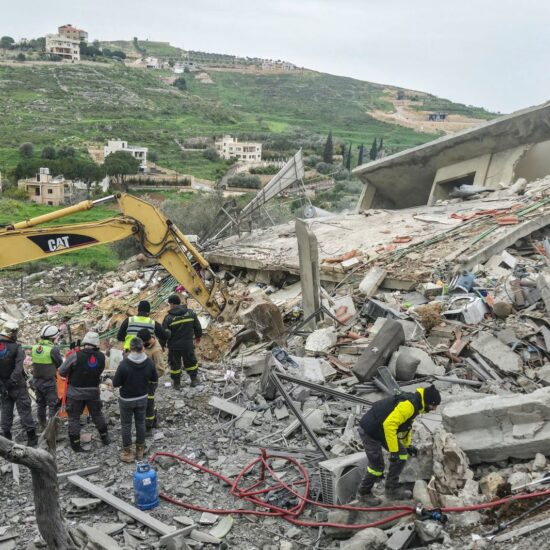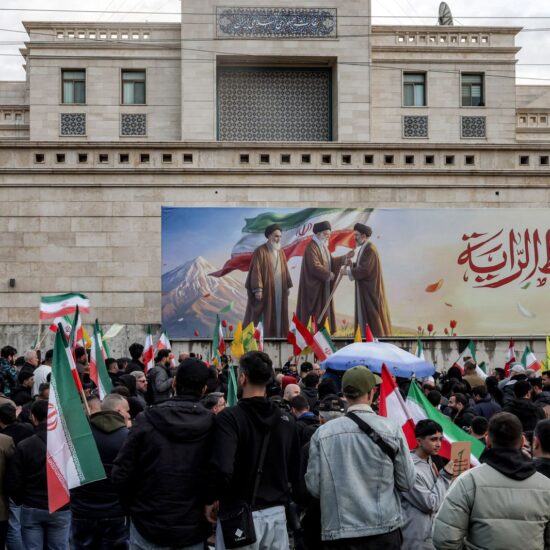
Across southern Lebanon, a pattern is becoming increasingly clear where non-Shia communities including Christians, Druze, and Sunnis are deliberately choosing to remain in place, even as they find themselves exposed to the dual pressures of Israeli military escalation and Hezbollah’s military presence.
This decision for some is rooted in historical memory of past displacements that became permanent. For others, it reflects a calculated belief that abandoning villages makes them more vulnerable to destruction, appropriation, or militarization. And for many, it is simply the absence of viable alternatives in a country already grappling with economic collapse and internal displacement.
A familiar war
For Fares Halabi, a political analyst from Hasbaya, the current moment echoes decades of conflict.
“People in the South have lived through this before—1978, 1982, the 1990s, 2006,” he tells NOW. “This is not the first time they are caught between larger forces.”
But while the past offers precedent, the present offers little clarity.
Experiences differ from village to village, Halabi notes, yet a shared reality persists: communities are once again navigating a war they did not choose, with limited control over its course.
Caught between two fires
That assessment is echoed by Georges Haddad, a Lebanon-based researcher and social analyst, who described the situation to NOW as a familiar but deeply unequal burden on civilians.
“It’s the usual, they are caught between two fires,” he says. “Civilians have nothing to do with the war, yet they are paying the price of the rivalry between Israel and Hezbollah.”
Haddad notes that while all southern communities are vulnerable, some non-Shia villages are not typically sites of direct Hezbollah military presence—something that can, at times, reduce immediate risk.
“But if there is any military activity nearby, they will pay the same price,” he adds.
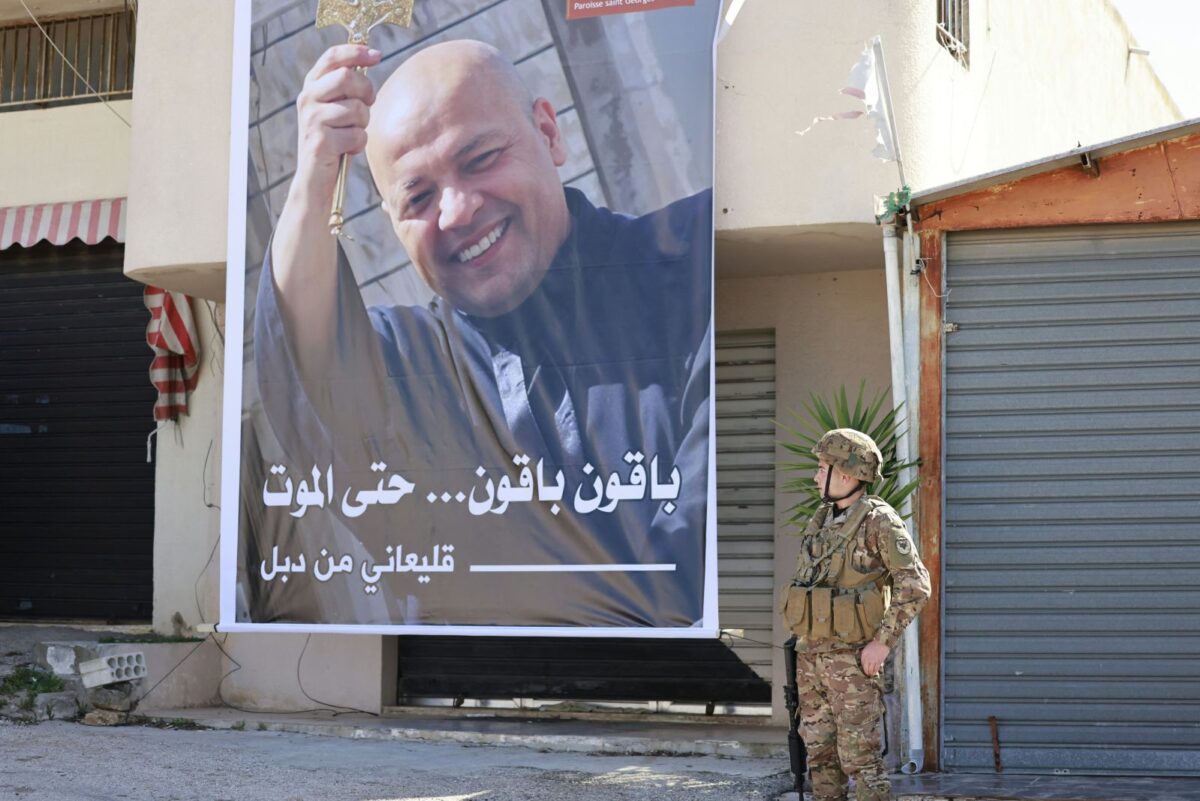
In the Christian village of Qlayaa, the killing of a local priest sent shockwaves through the region, quickly becoming a politically charged flashpoint. Israel later suggested that Hezbollah activity, specifically rocket fire had taken place from within or near the village, a claim that has been contested by some local voices, amid heightened sensitivities over any suggestion of militarization in civilian areas.
The army that comes and goes
The demand for state protection is not new.
During the 2024 ceasefire period, residents in several southern villages including Rmeish and Kfarchouba welcomed the deployment of the Lebanese Army, seeing it as a long-overdue return of state authority to the South.
For many, the army’s presence, even if limited offered a rare sense of reassurance, although that presence proved fragile.
For many, the army’s presence, even if limited offered a rare sense of reassurance, although that presence proved fragile.
As tensions resurfaced, concerns grew over withdrawals or reduced visibility of the Lebanese Armed forces in frontline areas, reviving a familiar pattern in which state institutions recede just as security risks escalate.
“In terms of security and state presence, people feel left out,” Halabi says.
Across Christian, Druze, and Sunni villages alike, residents are calling for the deployment or at least the continued presence of the Lebanese Army.
But expectations remain grounded.
“The army’s role is not about fighting Israel,” Halabi explains. “Its presence itself is what matters. It signals that the state is still there.”
Haddad agrees, adding that the army’s presence can also serve as a deterrent against the militarisation of civilian areas.
“It can help prevent armed groups from entering villages and using them to launch attacks,” he says.
Yet in the current climate, such deployment remains politically and militarily constrained.
“I don’t think it’s realistic in border villages right now,” Haddad says. “The army is trying to avoid direct confrontation.”
Kfarchouba: refusing to leave under pressure
In the predominantly Sunni village of Kfarchouba, this reality is unfolding in stark terms.
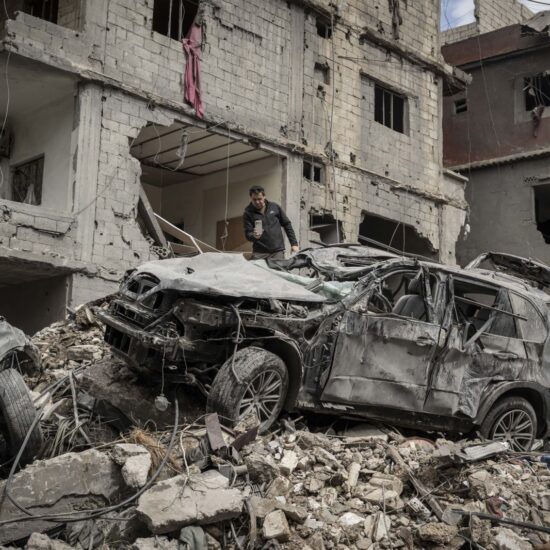
Earlier this week, Israeli forces reportedly entered the outskirts of the town overnight, raiding homes, interrogating residents, and detaining one resident before later releasing him.
Local officials described the operation as an attempt to spread fear and terror, particularly among women and children.
Yet the response from the town has been clear.
Residents have insisted on staying, reaffirming their right to live safely in their homes while calling on the Lebanese state to act, specifically by reinforcing the presence of the army and ensuring civilian protection.
Staying
Despite the danger, many residents continue to remain.
For Haddad, this decision reflects a combination of factors: resilience, necessity, and historical memory. “People are forced to be resilient,” he says. “It’s not really a choice.”
He points to Lebanon’s long history of displacement as a key driver. “There is a fear that if they leave, they might never come back,” he explains.
Halabi echoes this concern, noting that emptying villages can make them more vulnerable to destruction or long-term loss.
“If people leave, it becomes easier to destroy homes,” he says.
Across southern Lebanon, communities have lived side by side for generations, and today many are facing the same reality: exposure to war, limited protection, and long-standing neglect by the state. “This is not just about one group,” Halabi says, pointing to a shared southern experience shaped by repeated conflicts and weak state presence.
At the same time, there are signs of local solidarity, with coordination and visits between Druze and Sunni communities in areas like Hasbaya and the Arqoub region, as residents try to support one another under mounting pressure.
Many residents, especially older generations carry memories of past wars and occupations, and fear being forced to relive them. “There is anxiety,” Halabi says, noting that no one knows how the current conflict will end or what it will leave behind.
For now, these communities remain in their villages, balancing the risk of staying against the fear of permanent displacement.
Their demands are simple: to remain on their land and to see the return of the state, particularly through the presence of the Lebanese Army. But with limited guarantees and no clear political resolution in sight, many feel they are facing the situation alone. As Haddad puts it, “They are on their own.”