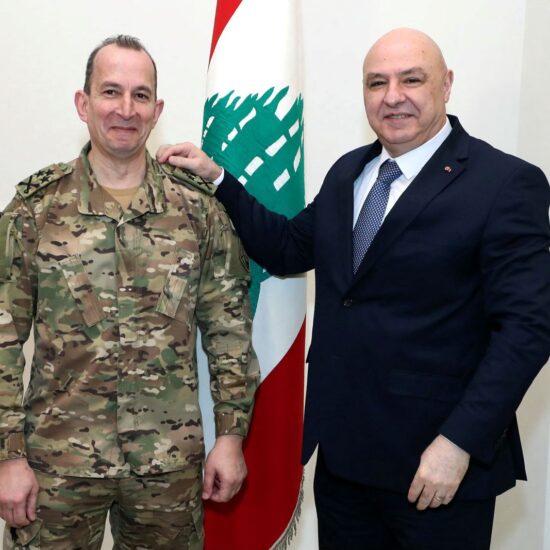
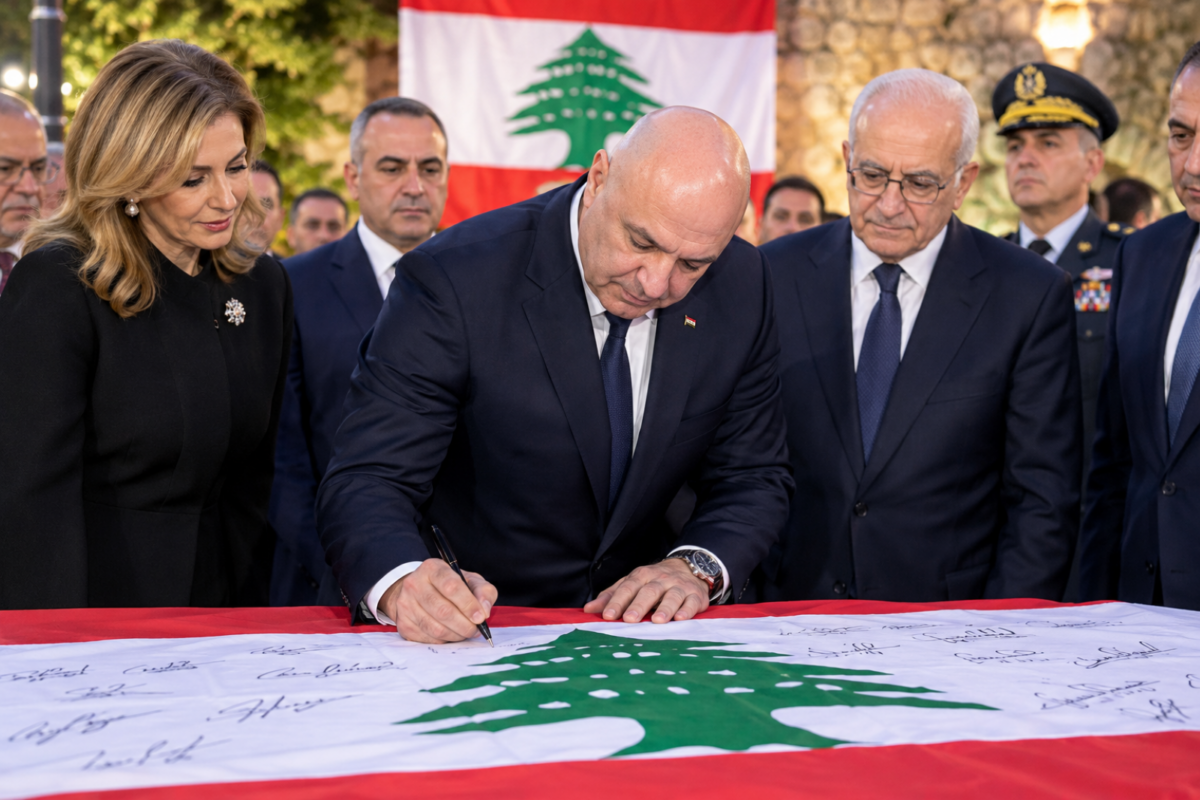
At Saturday evening’s flag-raising at Nahr al-Kalb, President Joseph Aoun joined the other guests in signing a replica of Lebanon’s 1943 independence flag. They signed before the speech. I would have liked to see that flag go around the room a second time, once everyone had heard what the president was asking of them.
Aoun told Israel to withdraw from every inch of Lebanese territory, end its attacks and return the Lebanese prisoners it holds. He told Hezbollah to hand over its weapons. He acknowledged the sacrifices of the resistance and said its arms had since been put at the service of causes outside Lebanon. He asked influential figures in Tehran to apply the same standard to Lebanon as to Iran. What interference would they accept in the affairs of their own country?
On Sunday, Aoun explained why those demands belonged in the same speech. He was marking the assassination of René Moawad, killed on Independence Day in 1989, seventeen days into his presidency. In Aoun’s telling, Moawad had refused to give up independence in exchange for stability. He had also refused to accept “a friend’s tutelage” as the price of confronting an occupier. The word I kept coming back to was friend.
An occupier announces himself by deciding whether you can reach your own house. A friend is harder to refuse. People remember who stood beside them when they were frightened, who helped them rebuild, who listened when their own government seemed indifferent. There can be real gratitude in that memory. The trouble begins when gratitude for a past act is taken as consent for a future one. Who decided that accepting help to defend a Lebanese village also meant accepting someone else’s judgement about when that village could be put at risk again?
The right to say no to a friend is the part of independence each camp would prefer the other to practise first.
Consider a Lebanese politician who opposes Hezbollah and welcomes American pressure to put weapons under state authority. Suppose Washington then asks Beirut to accept Israeli troops remaining on Lebanese soil. Would that same politician defend his government’s right to refuse, even at the risk of losing American support? The right to say no to a friend is the part of independence each camp would prefer the other to practise first.
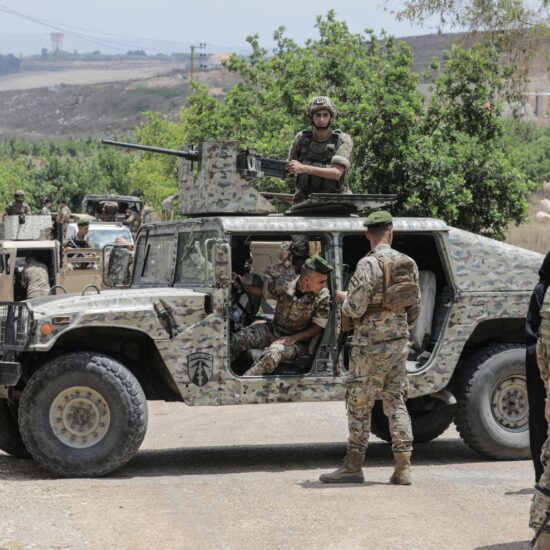
A year ago, speaking from an army barracks in Tyre, Aoun offered to set out when Lebanese troops could take over positions held by Israel. He could speak for his own soldiers. He could hardly set the date on which an Israeli soldier would leave. Israel has tied withdrawal to verified disarmament. Hezbollah has insisted that an Israeli withdrawal must precede discussions about its weapons. Each can give a perfectly accurate account of what the other has failed to do. The longer this goes on, the more normal it becomes for a Lebanese family’s return to hinge on decisions taken by an Israeli cabinet and a Lebanese armed party, each claiming the other must move first.
At Nahr al-Kalb, Aoun insisted on pursuing the two issues together. By Sunday, Lebanese Forces leader Samir Geagea was calling the speech the view of an overwhelming majority and urging him to act. Hezbollah MP Hassan Fadlallah described Iran as helping to secure an Israeli withdrawal and accused Washington of pushing Lebanese people towards conflict with one another. Aoun himself claimed support across sects. The question is how many Lebanese would back him on the day their own ally demands something he has to refuse. Counting everyone who cheered one half of the speech will tell us very little about that.
Nobody should have to let a party speak for them in order to have the country speak up for them.
Aoun also guaranteed every community’s constitutional rights, ruled out reprisals and pledged to rebuild homes in the south. Those promises will reach the same kitchen table. A woman from a border village may want to know who will protect her home if Hezbollah disarms. She may also believe that Hezbollah’s decisions helped bring the war to her door. She is owed an answer to the first question even if she says the second part out loud. Nobody should have to let a party speak for them in order to have the country speak up for them.
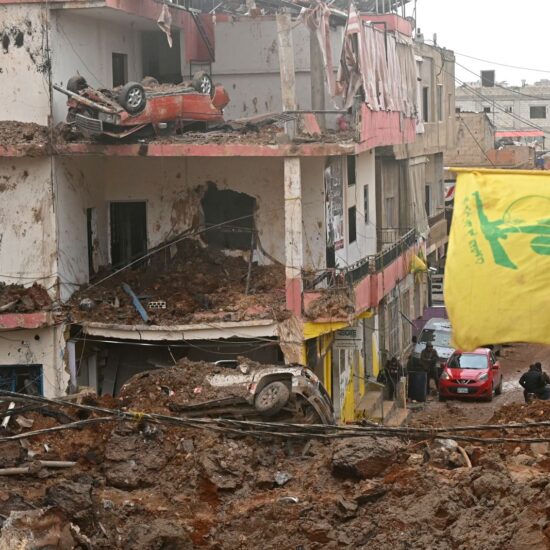
On Independence Day, residents of Nabatieh Fawqa entered their village for the first time in more than five months. Some visited family graves, some looked for family belongings. There were Lebanese flags in Nabatieh Fawqa too. The people carrying them were asking to go home. I would like our next Independence Day photograph to be taken there, on a morning when the people in it have slept in their own homes and can say whatever they please about the men who promised to bring them back.
Ramzi Abou Ismail is a Political Psychologist, Researcher and Analyst.
The views in this story reflect those of the author alone and do not necessarily reflect the beliefs of NOW.