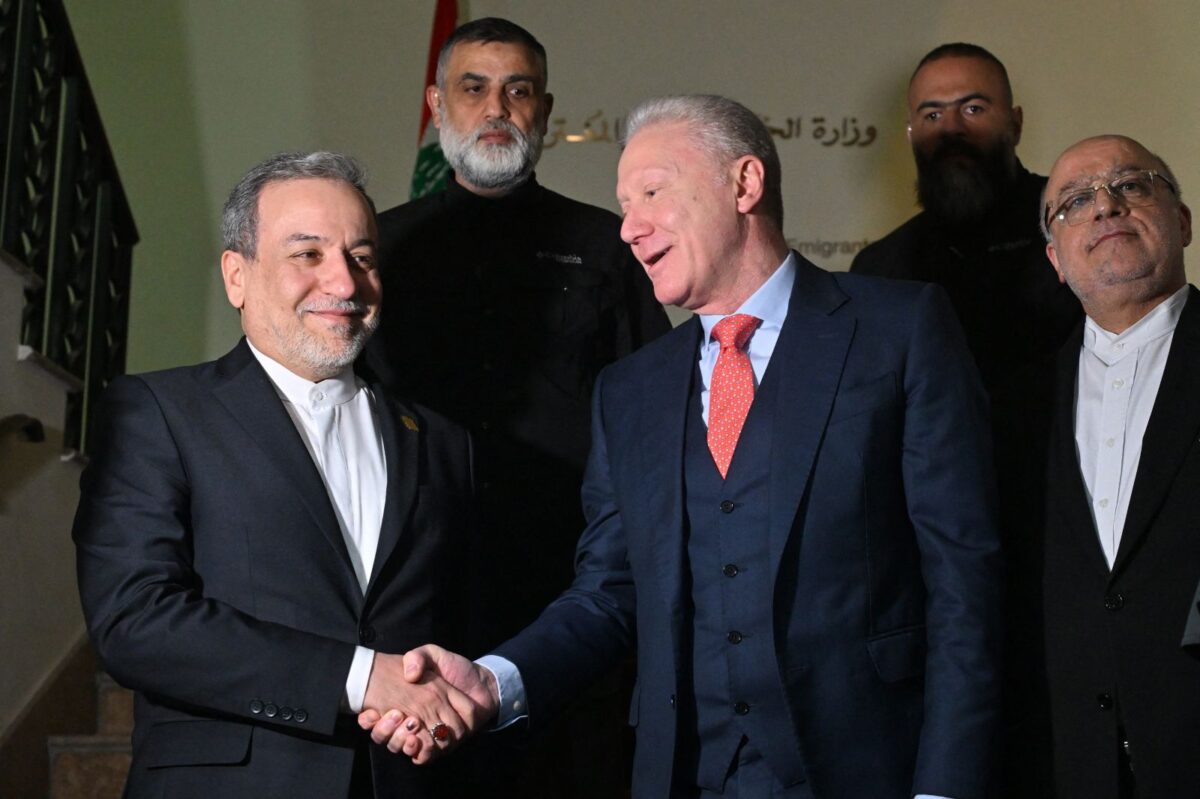
BEIRUT, LEBANON - JANUARY 9: Abbas Araghchi (L), who traveled to Lebanon for various meetings, meets with his Lebanese counterpart Youssef Rajji (C) in the capital Beirut on January 9, 2026. Houssam Shbaro / Anadolu (Photo by Houssam Shbaro / ANADOLU / Anadolu via AFP)
Iran is fighting for Lebanon the way empires fight for provinces they fear are slipping away. The regime faces an existential challenge here, perhaps its hardest battle since it lost Syria, because what is at stake is fifty years of investment in a proxy that carried its reach to the Mediterranean shore and Israel’s border. Its goal was never to liberate Jerusalem or “erase” the Israeli enemy, as its narratives claimed. It was to bring the GCC and the Arab states under the authority of Tehran and the Supreme Leader.
Yahya Sinwar, the late Hamas leader who masterminded the October 7 attack, lit the first spark in the fall of that dream. Any miscalculation now pushes the mullahs into a decisive confrontation that can end only one way: retreat, decline, and ultimately one day, disappearance.
Yahya Sinwar, the late Hamas leader who masterminded the October 7 attack, lit the first spark in the fall of that dream. Any miscalculation now pushes the mullahs into a decisive confrontation that can end only one way: retreat, decline, and ultimately one day, disappearance.
Read this week through that lens and it stops looking like separate incidents. On Wednesday, Iran’s Deputy Foreign Minister Saeed Khatibzadeh landed in Beirut, was received by Amal and Hezbollah, and sat with Speaker of Parliament Nabih Berri, the Amal leader. On Friday, he told Lebanese television that Iran seeks to avert war but is ready for every scenario, that Hezbollah decides independently, even on reopening the front with Israel, and that any new attack on Iran will change the equation.
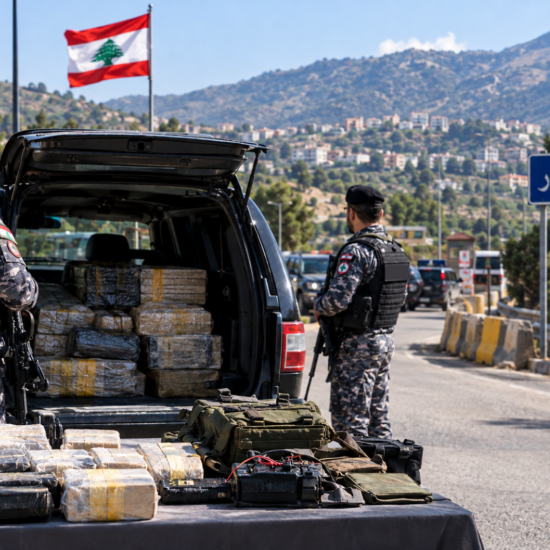
The explosives were found in a van stopped at the Dahr al-Baidar checkpoint on the road from the Bekaa to Beirut: half a ton, including C4, with ball bearings and molds for shaped charges. C4 is a military-grade plastic explosive that can bring down a building or kill a target in a motorcade, and Prime Minister Nawaf Salam has noted its use in Lebanon’s political assassinations.
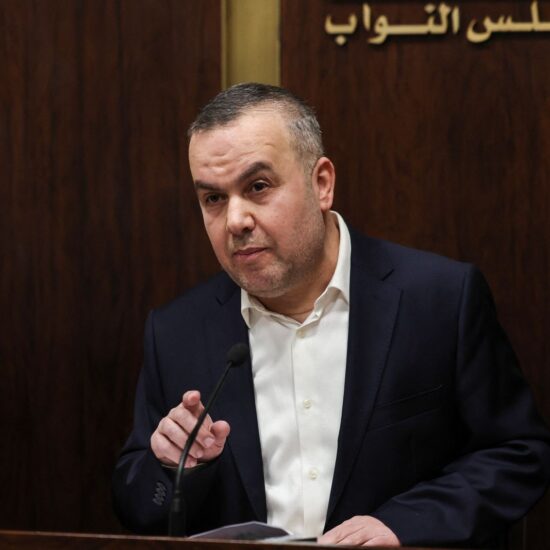
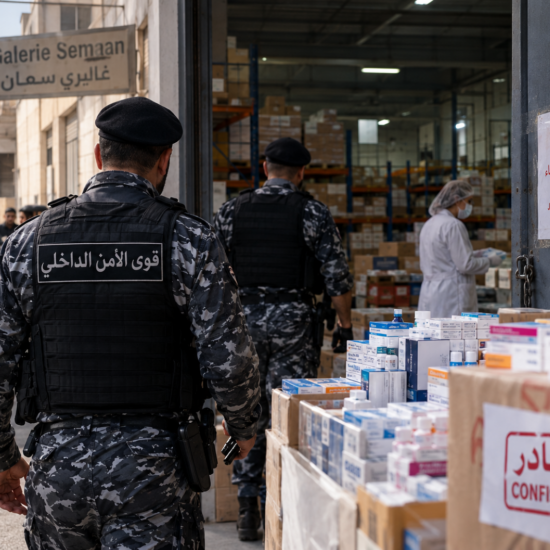
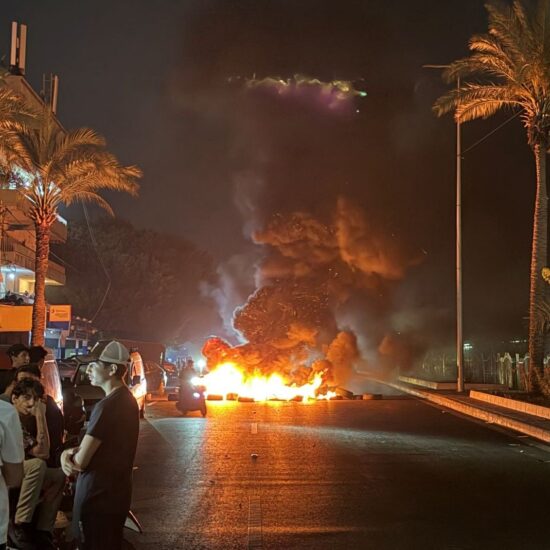
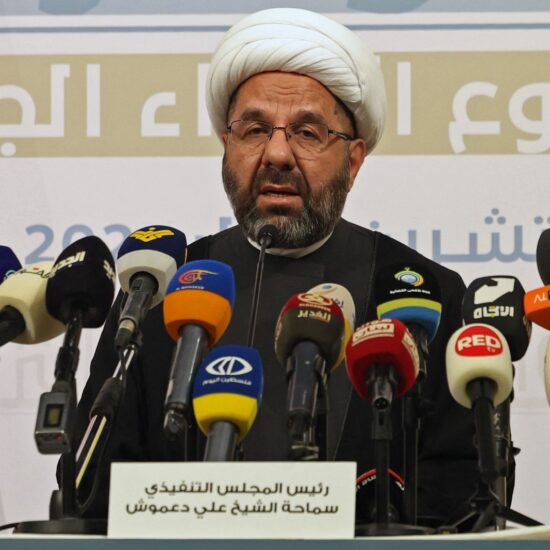
Hezbollah MP Hassan Fadlallah confirmed the explosives are the party’s and demanded the release of the detainees and the return of the truck. On Friday, Mufti Sheikh Ahmad Qabalan, vice president of the Higher Islamic Shia Council, called any mistake concerning the resistance a declaration of existential war, said the state’s legitimacy derives from the resistance’s, and called its logistics as necessary as Lebanon’s own existence. That evening, terrorist militants on motorbikes confronted a police patrol raiding a warehouse in Galerie Semaan, and Hezbollah complained that the raid had not followed “the agreed mechanism.”
A mechanism, agreed with an illegal militia, for the state to enter its own capital.
Tehran treats Lebanon like an unruly child that needs discipline, and it disciplines it in public.
Washington’s response was unambiguous. Secretary of State and National Security Advisor Marco Rubio called President Joseph Aoun on Thursday to press for accountability for those behind the shipment. He ruled out returning the explosives to Hezbollah and urged direct military-to-military contact between Lebanon and Israel. President Donald Trump, asked about the seizure, said: “We are looking into the matter.”
This is a policy posture, not a reaction: a leadership reading the Lebanese file through its Iran campaign. When a Secretary of State and a President both give a small country personal attention in the middle of a war with Iran, Lebanon is not a detail. It is a front.
The calendar explains the rest.
Tehran is playing for time with Trump, claiming concessions he says he never made. Israeli reports speak of Iranian instructions to Hezbollah to prepare for a regional war within days
Tehran is playing for time with Trump, claiming concessions he says he never made. Israeli reports speak of Iranian instructions to Hezbollah to prepare for a regional war within days. With Israeli elections days away, Iran is applying pressure at the point closest to Israel: its own northern border, where a Hezbollah flare-up lands on the Israeli campaign trail.
On Saturday in Baghdad, Foreign Minister Youssef Rajji met his Iranian counterpart, Abbas Araghchi, chiefly over the ambassador Lebanon declared persona non grata in March and Tehran refuses to withdraw. It does not matter what Araghchi said to Rajji, or what Rajji said to Araghchi. Tehran sees a province in its empire, and provinces do not get a hearing.
An empire that lives in denial won’t acknowledge that Lebanon was sitting yesterday at the same table with Israeli counterparts and that the path for Peace is irreversible, is an empire that is already losing it.
Elissa E Hachem is a journalist and political writer specializing in regional affairs and governance. Former Regional Media Advisor at the U.S. State Department’s Arabic Regional Media Hub, with broad experience in strategic communication across government and private sectors.
The views in this story reflect those of the author alone and do not necessarily reflect the beliefs of NOW.