Lebanon needs an invoice.
For forty years the Iranian regime has suffocated this country through its armed proxy, Hezbollah. If Tehran now speaks of “economic strangulation,” as its own spokesman Esmaeil Baghaei recently did, then let us speak of actual strangulation: political, military, financial imposed on Lebanon since 1982.
The Lebanese state must move. Fast.
Prepare the file. Quantify the damage. Claim compensation.
And do it now, before the window closes.
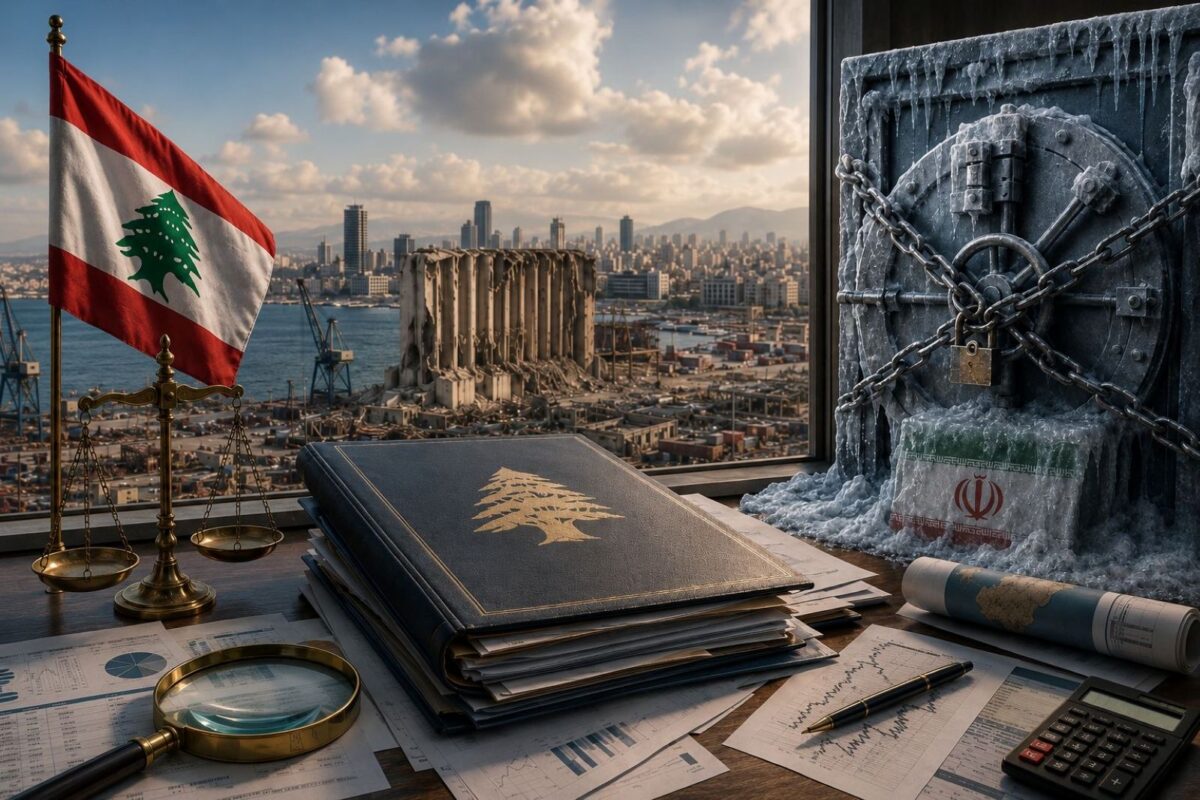
U.S. Treasury Secretary Scott Bessent has ordered officials to calculate the damage Gulf states have suffered from Iranian attacks. The administration is weighing the use of frozen Iranian assets, estimated at roughly $115 billion in oil revenues held abroad , to compensate allies for past destruction and to pre-price future aggression.
Iran insists any agreement hinges on recovering $24 billion.
Washington’s response is strategic: start deducting the bill.
Every missile fired at a neighbor.
Every drone strike on civilian infrastructure.
Every damaged airport terminal.
Every casualty.
Charged against Iran’s own frozen account.
This approach transforms sanctions into leverage and leverage into accountability. It converts abstract frozen funds into a live balance sheet of responsibility.
Lebanon must ensure it is included in that calculation.
President Joseph Aoun told CNN’s Christiane Amanpour what many Lebanese officials avoided for years: Iran’s destructive role in Lebanon cannot continue. Hezbollah’s weapons have harmed the Lebanese state. Sovereignty must be restored. Lebanon cannot remain an arena for other people’s wars.
That was a line in the sand.
A declaration with consequences.
When the head of state publicly acknowledges the structural harm caused by an armed proxy tied to Tehran, the next logical step is not rhetorical escalation. It is legal action.
Not morally.
Legally.
This is not political theatre. It is black-letter international law.
The doctrine of State Responsibility, codified in the 2001 International Law Commission Articles, establishes that a state is responsible for internationally wrongful acts carried out by entities acting under its direction or control.
The jurisprudence is settled:
Iran Hostage Crisis — the International Court of Justice held Iran responsible for actions of militants operating from its territory.
Nicaragua v. United States — articulated the “effective control” test.
Prosecutor v. Tadić — refined the “overall control” standard in international criminal jurisprudence.
Under either standard, the evidentiary threshold regarding Hezbollah is met.
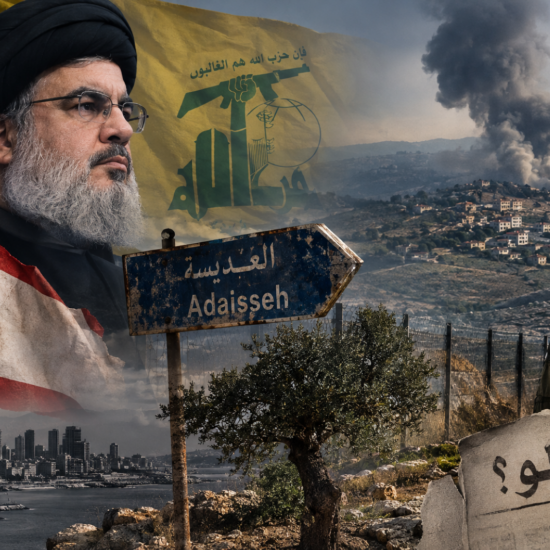
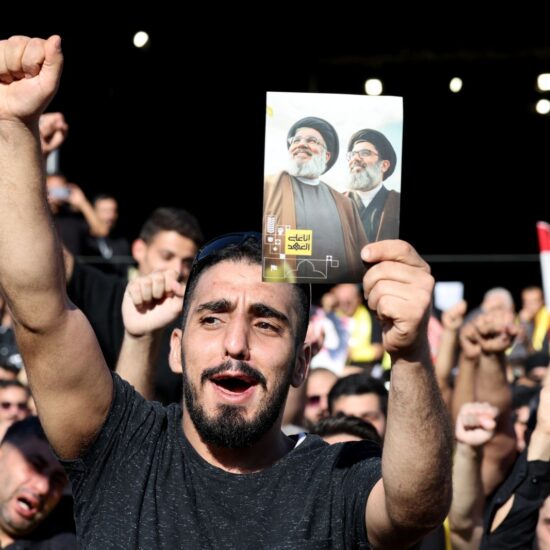
The group was established in 1982 by the Islamic Revolutionary Guard Corps. It has received sustained annual funding estimated between $700 million and $1 billion. Iranian officers have been embedded within its operational structure. Its leadership has repeatedly declared allegiance to Iran’s Supreme Leader. Ali Khamenei himself has publicly described leadership of what he calls the “Axis of Resistance.”
This is not mere influence.
It is operational integration.
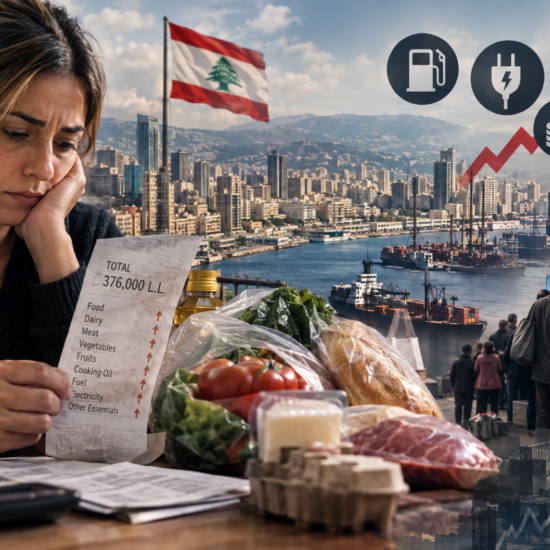
The damages inflicted on Lebanon exceed $150 billion over four decades.
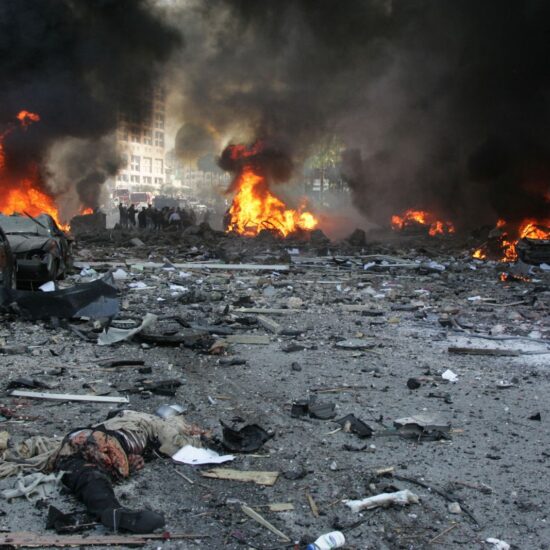
This figure encompasses the cumulative cost of repeated conflicts on Lebanese soil, including the 2024 and 2026 wars alone, estimated at $20 billion in destruction. It includes the devastation of the Beirut Port Explosion, an event that shattered the capital and accelerated national collapse. It includes the assassination of former Prime Minister Rafic Hariri and the political shockwaves that followed.
It also reflects the slower, less visible hemorrhage: the collapse of tourism, the evaporation of foreign investment, capital flight, the implosion of the banking sector, and the paralysis of state institutions.
An entire generation was pushed to emigrate, families uprooted from their homes, children raised in exile while their country was turned into someone else’s battlefield.
These losses are not theoretical. They can be audited, quantified, and substantiated by international accounting standards.
Lebanon must calculate retroactively across four decades. The harm did not begin yesterday, and it did not accumulate by accident.
If Tehran speaks of billions it claims are owed to it, Lebanon must speak of billions systematically extracted from its stability, sovereignty, and future.
This requires structure, not slogans.
Within 30 days, the government should establish a ministerial task force with a clear mandate: build the case. That team must retain internationally recognized firms experienced in sovereign litigation and international arbitration.
A comprehensive damage assessment should be commissioned from one of the Big Four global accounting firms to ensure credibility before courts and governments. Diplomatic coordination with GCC states, the United States must proceed in parallel, aligning legal strategy with political leverage.
Lebanon should pursue a United Nations General Assembly resolution affirming the principle of compensation and initiate multi-jurisdictional proceedings targeting frozen Iranian assets wherever legally attachable.
This is not a single lawsuit filed for symbolism.
It is a synchronized, multi-front legal campaign.
The objective is simple: secure Lebanon’s share of any financial mechanism that reallocates Iranian frozen assets toward compensation.
Iran today is weakened, economically strained, regionally exposed, and engaged in sensitive negotiations.
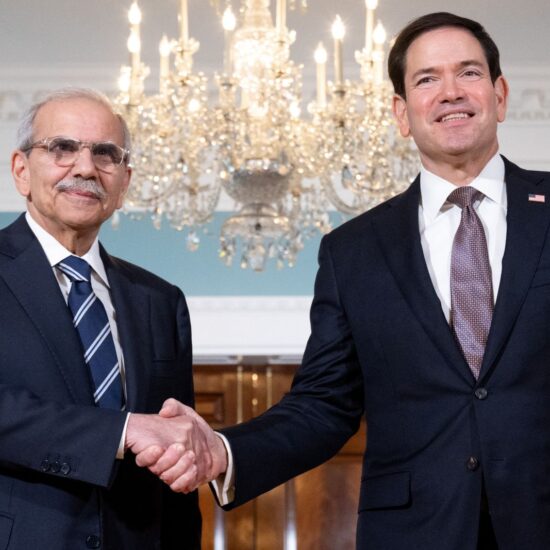
Direct talks in Washington are underway under U.S. sponsorship. President Donald Trump has demonstrated unprecedented engagement in Lebanon’s stabilization, alongside senior officials including Marco Rubio and J. D. Vance.
Such alignment between Lebanese opportunity and international leverage has rarely existed in the post-1979 era.
If Lebanon arrives prepared , armed with numbers, documentation, and a coherent legal claim, it can position itself within any structured arrangement involving Iranian assets.
If it hesitates, it will be bypassed.
Every delay increases the probability that frozen funds are released without Lebanese claims attached.
This is not an emotional reaction.
It is a sovereign obligation.
Every dollar lawfully recovered from frozen Iranian assets is a dollar that will not be recycled into rebuilding Hezbollah’s military and financial networks inside Lebanon.
Legal accountability is not only about compensation. It is about deterrence. It is about ensuring that aggression carries enforceable cost.
Iran remains a present danger.
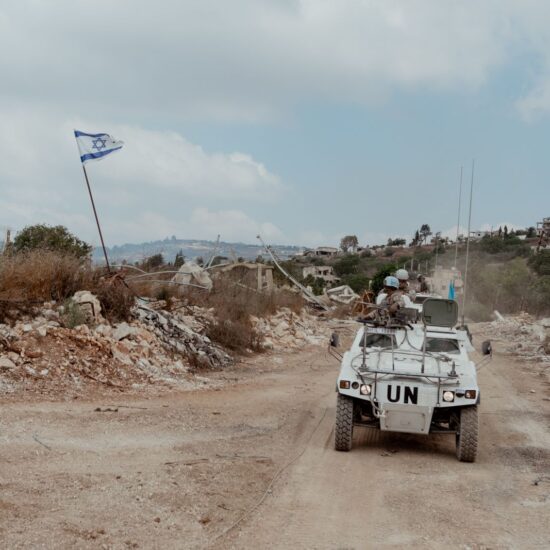
Occupation remains a structural danger.
Both have exacted a price from Lebanon that no donor conference can repair.
Lebanon does not need to beg. It possesses a right grounded in international law and paid for in blood, rubble, and lost opportunity.
But rights unused fade.
Prepare the file.
Quantify the damage.
Enter the negotiations with law, evidence, and resolve.
Call it what it is.
Payback.
Elissa E Hachem is a journalist and political writer specializing in regional affairs and governance. Former Regional Media Advisor at the U.S. State Department’s Arabic Regional Media Hub, with broad experience in strategic communication across government and private sectors.
The views in this story reflect those of the author alone and do not necessarily reflect the beliefs of NOW.