The passing of the great Palestinian historian Walid Khalidi marks the end of a remarkable chapter in the intellectual life of the Arab world. Khalidi was not merely a scholar of Palestine; he was among the generation that built the very foundations of modern Middle Eastern historical scholarship.
For those of us at the American University of Beirut, his name carries a particular resonance. Khalidi belonged to a cohort of scholars who helped shape the intellectual environment that defined AUB in the mid-twentieth century—an environment that included my own mentor, the great historian Kamal Salibi. The two men shared not only friendship but also a commitment to rigorous scholarship at a time when the study of the region was still finding its modern academic voice.
Like many students of Middle Eastern history, I encountered Khalidi first through his books. They were not simply historical works; they were acts of preservation. His meticulous documentation of Palestinian history, society, and dispossession created an archive that generations of scholars would rely upon. For many readers across the Arab world, Khalidi’s work represented an intellectual anchor at a time when the Palestinian story was being erased, distorted, or ignored.
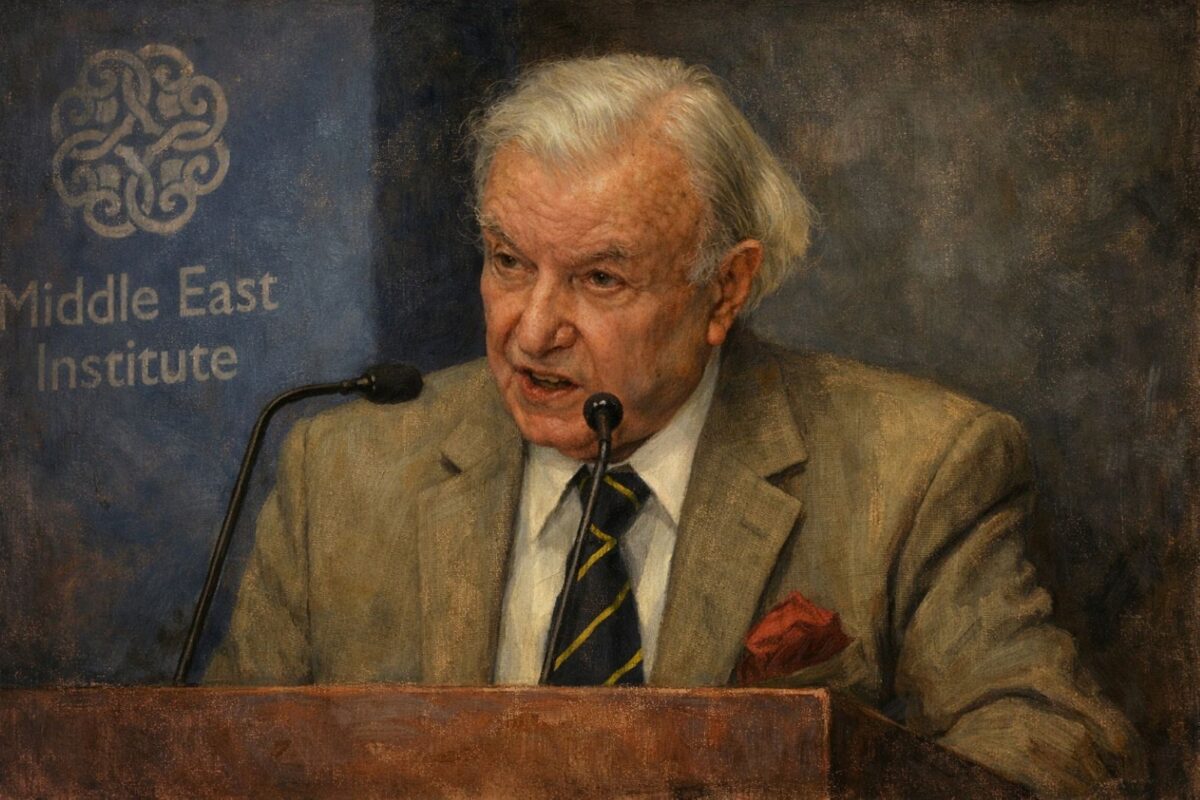
My only personal interaction with him came years later in Washington, D.C., at a talk he delivered at the Middle East Institute, sometime after the start of the Arab Spring. Khalidi spoke for nearly an hour, as he often did, with the authority of someone who had spent a lifetime defending the centrality of the Palestinian cause to the Arab political imagination.
I remember listening with admiration. Here was a man who had dedicated his life to ensuring
that Palestine remained part of the historical and moral consciousness of the region.
But when the floor opened for questions, I found myself compelled to respond.
With the deference owed to a scholar of his stature, I raised a point that had long troubled many in my generation. Yes, Palestine remained central. But for many young Arabs, the struggle for freedom and liberty within our own societies had become equally urgent. Without freedom, without accountable states, without societies that value human life and dignity, how could we meaningfully speak about liberating Palestine—or any other land?
My argument was simple:
A free Arab world would be the greatest ally the Palestinian people could ever have.
Khalidi listened carefully. Whether he agreed with me entirely or not was almost beside the point. What mattered was that the exchange reflected something essential about his generation of scholars—they understood that ideas must be debated, and that history itself is a conversation between generations.
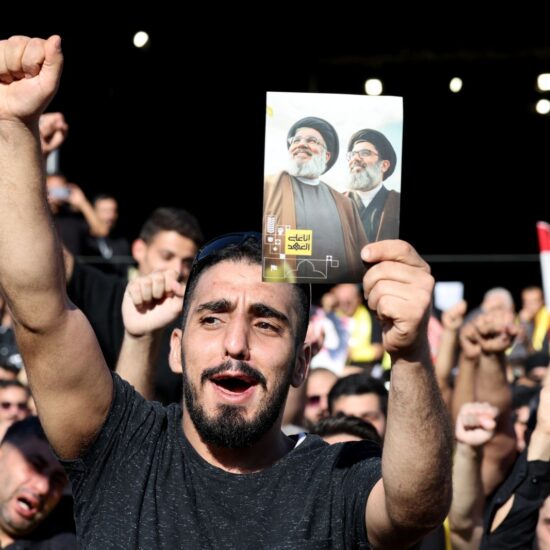
Today, as we mourn Walid Khalidi, the region he wrote about is engulfed in turmoil. The tragedy is that the Palestinian cause he spent his life documenting has been appropriated by actors who claim to champion it while setting the region ablaze. Some of these champions are sincere; many are not. But the result has been the same: endless violence justified in the name of grand narratives.
In this landscape, Khalidi’s scholarship remains a reminder of something profoundly important. History is not merely a weapon in political struggles; it is also a record of human lives.
And human life—its dignity, its freedom, its right to exist beyond the machinery of war—must always be greater than any narrative that kills in its name.
Walid Khalidi leaves behind a monumental body of work and a generation of students and readers who learned from it. For many of us, he also leaves a challenge: to ensure that the struggle for justice in the region does not come at the expense of the very human values that give that struggle meaning.
If Palestine is to be “liberated” one day, it will not be through slogans shouted over ruins. It will come through a region that has finally learned to value freedom, dignity, and life itself.
That, perhaps, is the conversation that Khalidi’s legacy invites us to continue.
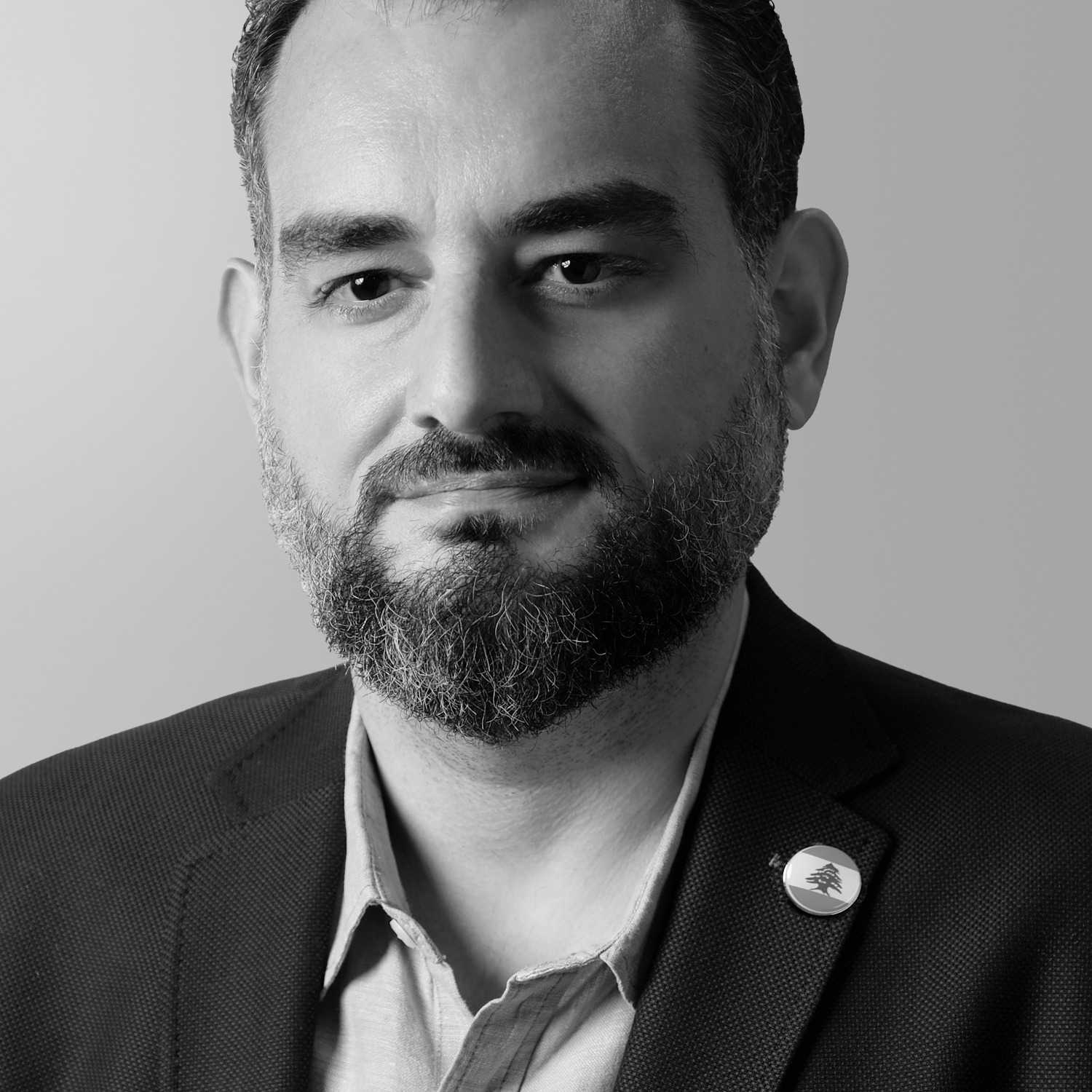
Makram Rabah is the managing editor at Now Lebanon and an Assistant Professor at the American University of Beirut, Department of History. His book Conflict on Mount Lebanon: The Druze, the Maronites and Collective Memory (Edinburgh University Press) covers collective identities and the Lebanese Civil War. He tweets at @makramrabah