Every time Lebanon approaches the question of Hezbollah’s weapons, the same threat resurfaces. Civil war.
The formula is painfully familiar. Raise the issue of state sovereignty, and suddenly warnings appear about the army splitting, the country collapsing, and Lebanon returning to the ghosts of 1975. The latest version of this intimidation campaign came in the form of a statement published in Al-Akhbar, a publication that functions primarily as a mouthpiece for Hezbollah’s nasty political narrative.
The statement, issued under the name “National Officers,” claims to represent officers within the Lebanese Armed Forces who are alarmed at the prospect of the army confronting “national forces resisting external aggression.” The language is strikingly familiar—almost indistinguishable from Hezbollah’s own rhetoric.
But the problem with this declaration goes beyond its language. It attempts to project the dangerous illusion that officers within the Lebanese army are prepared to challenge the authority of the state in defense of a militia.
That claim alone should raise serious alarm.
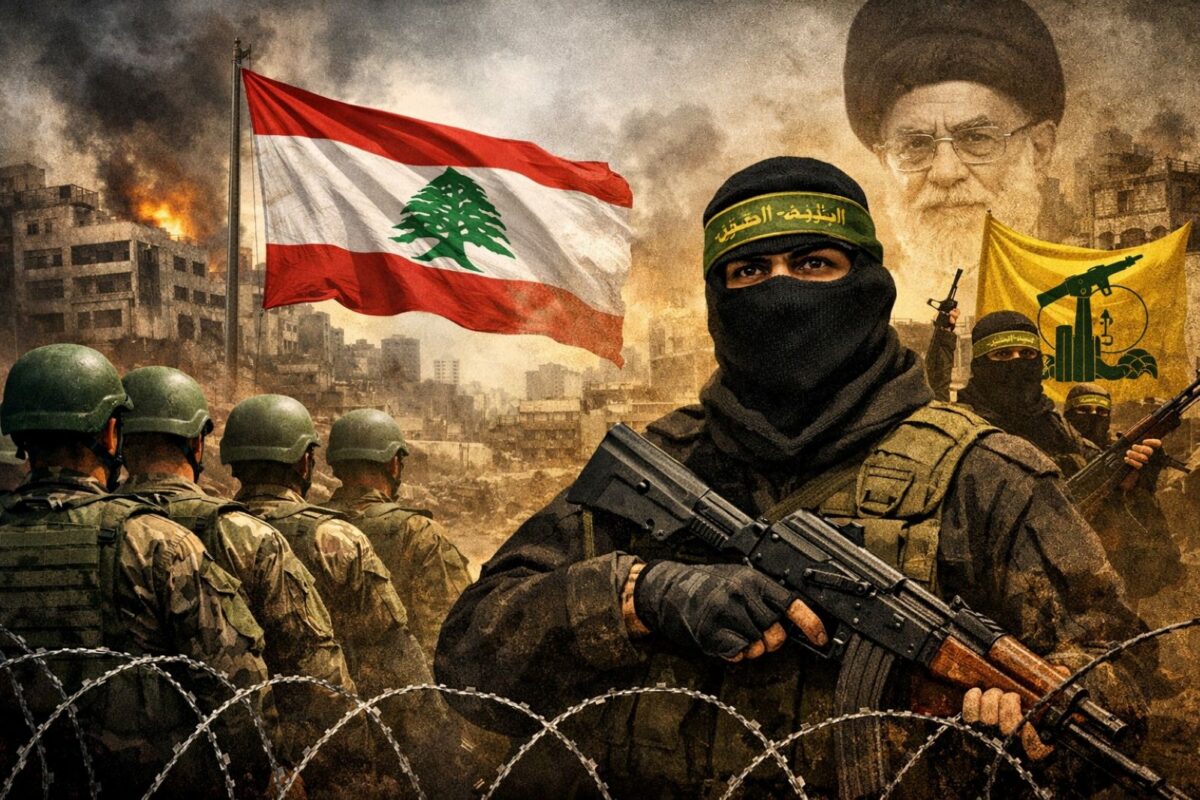
The Lebanese Armed Forces are not a militia. They are not an auxiliary wing of Hezbollah, nor a bargaining chip in the political struggles of armed groups. The army is a national institution whose legitimacy derives from the Lebanese constitution and from the state it is sworn to defend.
Every officer in the Lebanese army takes an oath to protect Lebanon, its sovereignty, and its institutions—not to defend a political party, and certainly not to shield an armed organization operating outside the authority of the state.
For that reason, it is difficult to believe that any self-respecting officer in the Lebanese Armed Forces would willingly present himself as a political tool of Hezbollah.
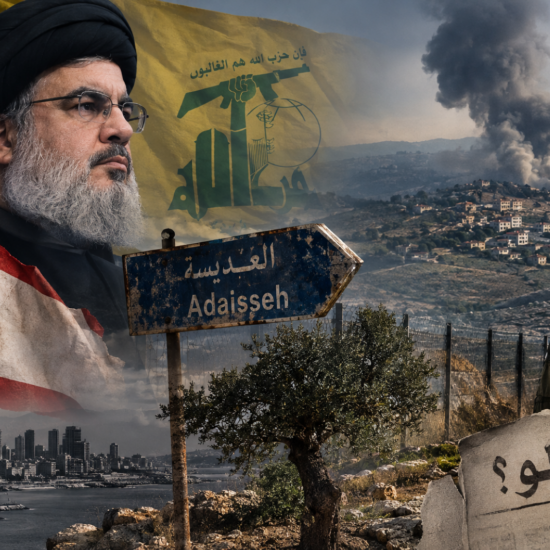
Hezbollah is not simply another “national force,” as the statement suggests. It is an armed organization that has repeatedly dragged Lebanon into wars that the Lebanese people did not choose. It is a militia that answers to a regional agenda extending far beyond Lebanon’s borders.
And most importantly, Hezbollah’s history includes direct confrontations with the Lebanese state itself.
Lebanese soldiers have died because of Hezbollah’s actions. Lebanese patriots—journalists, politicians, activists—have been silenced by a culture of intimidation that flourished under the shadow of its weapons. The idea that officers in the Lebanese army would now publicly defend that same militia strains credibility.
What this statement attempts to do is not to protect the army. It attempts to weaponize the army’s reputation in order to protect Hezbollah’s weapons.
By invoking the specter of division within the military, the message seeks to paralyze the state before it even acts. It is the same strategy Hezbollah has used for decades: convince Lebanese leaders that any attempt to assert sovereignty will inevitably trigger internal conflict.
But this narrative is losing its power.
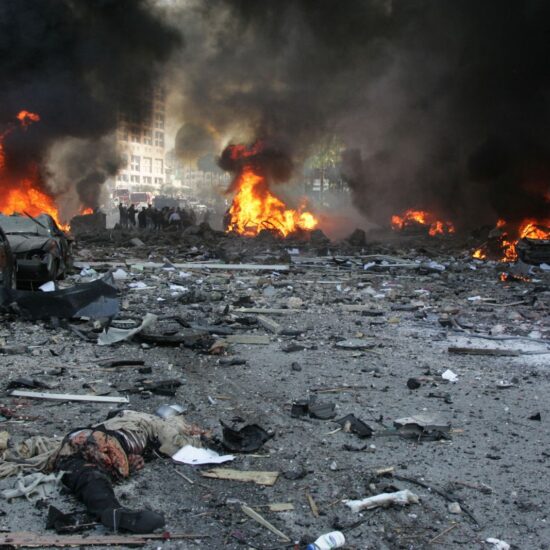
Lebanon has already lived through civil war. The country paid the price in blood, destruction, and decades of political paralysis. Yet the lesson of that tragedy was not that militias guarantee stability. On the contrary, it was that the proliferation of armed groups destroys the state and traps the country in permanent crisis.
Today, the threat of civil war has become Hezbollah’s last political argument. Whenever its legitimacy is questioned, it returns to the same warning: challenge our weapons, and the country will burn.
But Lebanon in 2026 is not Lebanon in 1975.
Lebanese society has changed, at least some. The public understands increasingly well that a state cannot survive while one-armed group monopolizes the power to decide war and peace. The Lebanese Armed Forces, despite immense pressures, remain the country’s most credible national institution precisely because they represent the idea of a state that stands above militias.
This is why the attempt to speak in the army’s name is so troubling. Anonymous “national officers” issuing statements through partisan outlets do not strengthen the army—they undermine it.
The Lebanese army does not need political declarations written in the language of militias. Its legitimacy comes from the constitution and from the people it serves.
And if Hezbollah believes that repeating the threat of civil war will silence Lebanese voices demanding sovereignty, it may be misreading the moment.
Lebanese citizens have heard this warning before.
They are no longer afraid of it.