On Monday morning, the Israeli army said it started a “limited and targeted” ground invasion in Lebanon’s South, aimed at destroying Hezbollah military infrastructure along the border.
Israels defense minister Israel Katz announced a similar strategy to the one in Gaza. He warned that hundreds of thousands of Shiite Lebanese would not be able to return to their homes, until Israel’s northern population lives in peace — marking a major escalation in the two week war between Hezbollah and Israel.
The Israeli army has deployed several forces of its Galilee division, which focus on Israel’s border with Lebanon. Israel’s goal is to establish a buffer zone in the South of Lebanon — a move that would severely weaken the sovereignty and legitimacy of Lebanon’s government.
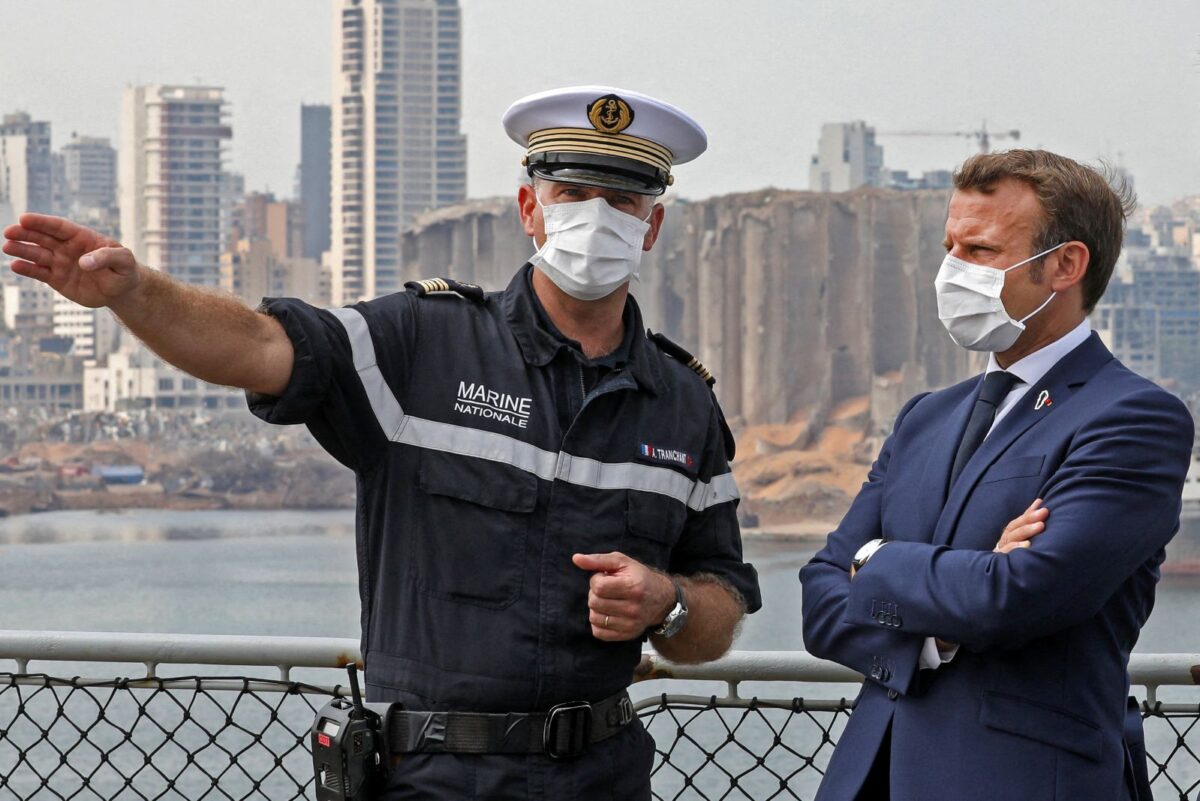
With Israel’s military ready to invade Lebanon up to the Litani river, it is unlikely that any peace negotiations will be successful in the next few days. Nevertheless, French President Emmanuel Macron still hopes to fix the war with diplomacy.
On Saturday, Macron suggested facilitating a peace deal between the two sides by offering to host the negotiations in Paris. Such talk are not only difficult to pursue, they seem naive. Hezbollah rejected the French proposal at the beginning of the war. Israel has made clear that its goal is destroying the Iranian-back militia — and that it will not stop before this objective is achieved.
Macron’s attempt seems like a bet for peaceful resolution in a time that is dominated by airpower and war strategy. The move might be criticized by some as giving too much leeway to Hezbollah, which started attacking Israel about two weeks ago — dragging all of Lebanon into the war.
While Macron seeks to create a diplomatic pathway, his efforts might evoke mixed reactions in Lebanon. France’s historical role in Lebanese politics, dating back to the French mandate from 1920 to 1946, adds a layer of historical complexity.
Lebanon’s government has signaled its openness to engage in negotiations, but it lacks the legitimacy to enforce any possible details included in a future deal. Aoun has already indicated that normalizing ties with Israel is on the table — a move that would have been unimaginable two years ago.
With Hezbollah weakened, Lebanon’s internal political dynamics are shifting, though parliamentary approval would most likely be required for such a move. Hezbollah still has an armed wing, making it difficult for the Lebanese government to solely decide on issues of war and peace.
In Lebanon
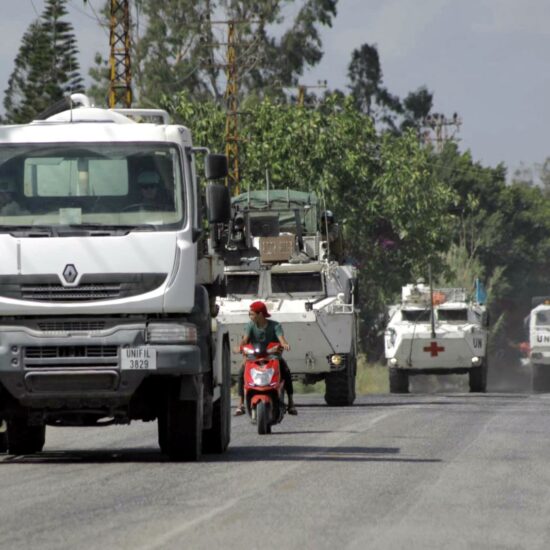
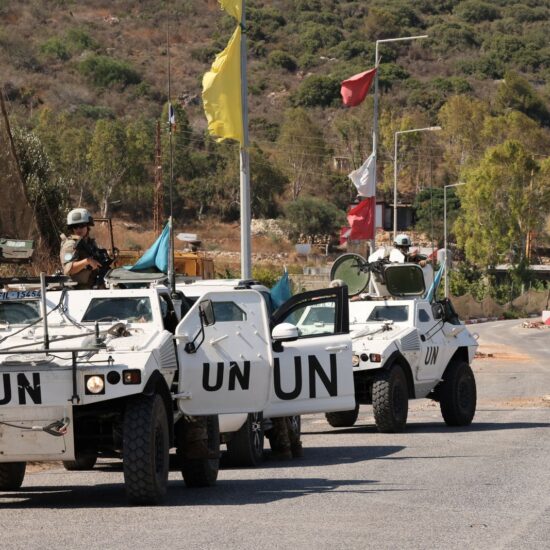
Israeli ground invasion: Israel has moved several troops to its northern border with Lebanon and is planning to bring reinforcements from different brigades. According to news reports, Israel’s military is planning to invade Lebanon up to the Litani River, targeting Hezbollah’s military infrastructure.
Clashes between Hezbollah and Israel: In the southern Lebanese city of Khiam, direct clashes between the Israeli military and Hezbollah erupted on Saturday evening.
Rising death count: Within less than two weeks of war, more than 850 people have been killed in Lebanon by Israeli strikes — including 107 children, 66 women, and 32 paramedics, according to the Public Health Ministry. Over 2,100 people have been wounded.
Displacement crisis: The war and evacuation orders have forced more than 700,000 people to flee their homes. Around 14 percent of Lebanon’s territory now falls under Israel’s evacuation, the Norwegian Refugee Council reports.
Christian priest killed near the Israeli border: The assassination of priest El-Rahi in southern Lebanon by an Israeli attack has drawn condemnation from Pope Leo. Many Christian communities near the Israeli border have resisted evacuation orders, fearing they may lose their homes permanently.
In The Region
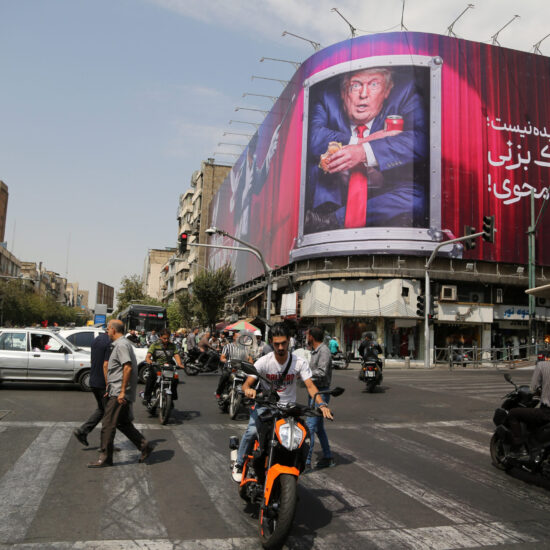
Trump hopes for allies in securing the Strait of Hormuz: Over the weekend, the U.S. targeted military infrastructure on Iran’s Kharg Island, a hub for Iranian oil export. U.S. President Donald Trump hopes for support from China, Japan, France, The U.K. and South Korea — betting on those countries to send naval ships to secure the Strait of Hormuz, which is a strategic route for a large part of the world’s oil trade.
Iran has blocked the Strait of Hormuz. The Iranian regime has launched attacks on vessels passing the maritime corridor — leading to skyrocketing oil prices and putting the U.S. administration and global trade under pressure.
Iran does not want a deal: Iranian Foreign Minister Abbas Araqchi said on Sunday he did not want to negotiate with the U.S. “We don’t see any reason why we should talk with the Americans,” Araqchi told an American TV channel. This contradicts earlier claims by Trump, who suggested Iran might be open to a deal.
What We’re Reading
Lebanon: A State Living in La-La Land. Elissa El Hachem argues that the Lebanese government’s focus on diplomacy and negotiations is misguided. Without a state monopoly on weapons and a strong Lebanese Army, the United States or Israel will not acknowledge Lebanon as a strong negotiation partner. The reason: Hezbollah still holds positions within the government while also maintaining its own military wing. According to El Hachem, this situation weakens Lebanon’s sovereignty and its credibility.
When Tehran Tells the Truth and Naim Qassem Does Not. The article criticizes Hezbollah’s secretary-general Naim Qassem for claiming that the militia entered the war in order to defend Lebanon. The author argues that this narrative is contradicted by Iran’s new Supreme Leader Mojtaba Khamenei, who said Hezbollah acted to support the Iranian Islamic Republic. The article concludes that Hezbollah exposed itself and its adherence to Iran.
Protecting the Army Means Ending the Strategy of Avoidance. Ramzi Abou Ismail argues that the Lebanese Army is one of the only institutions in Lebanon that still has some legitimacy. But the government’s reluctance on Hezbollah undermines the army and its authority to enforce orders. This avoidance strategy leads to repeated conflicts, weakens state sovereignty, and places the army in an awkward position. For the army to succeed, Ismail argues it needs political backing, a clear strategy on Hezbollah, and national support to restore state authority.