There are moments in Lebanon when history does not repeat itself; it simply refuses to leave.
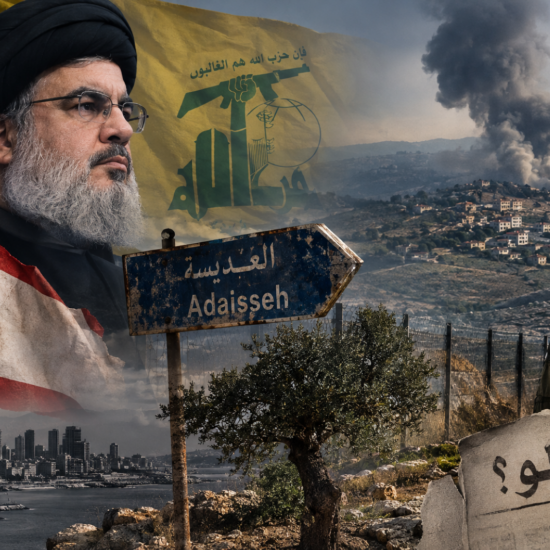
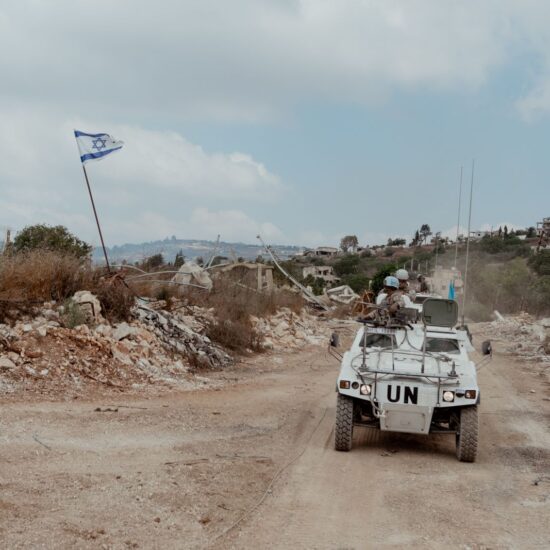
As the ongoing confrontation between Iran and Israel continues to cast its shadow over Lebanon, the country once again finds itself dragged into a war it neither declared nor controls. The language is different, the actors have changed, and yet the structure of the crisis remains eerily familiar: armed factions operating beyond the authority of the state, ideological battles dressed as national causes, and a Lebanese army forced, once again, to restore a semblance of order within a fractured sovereignty.
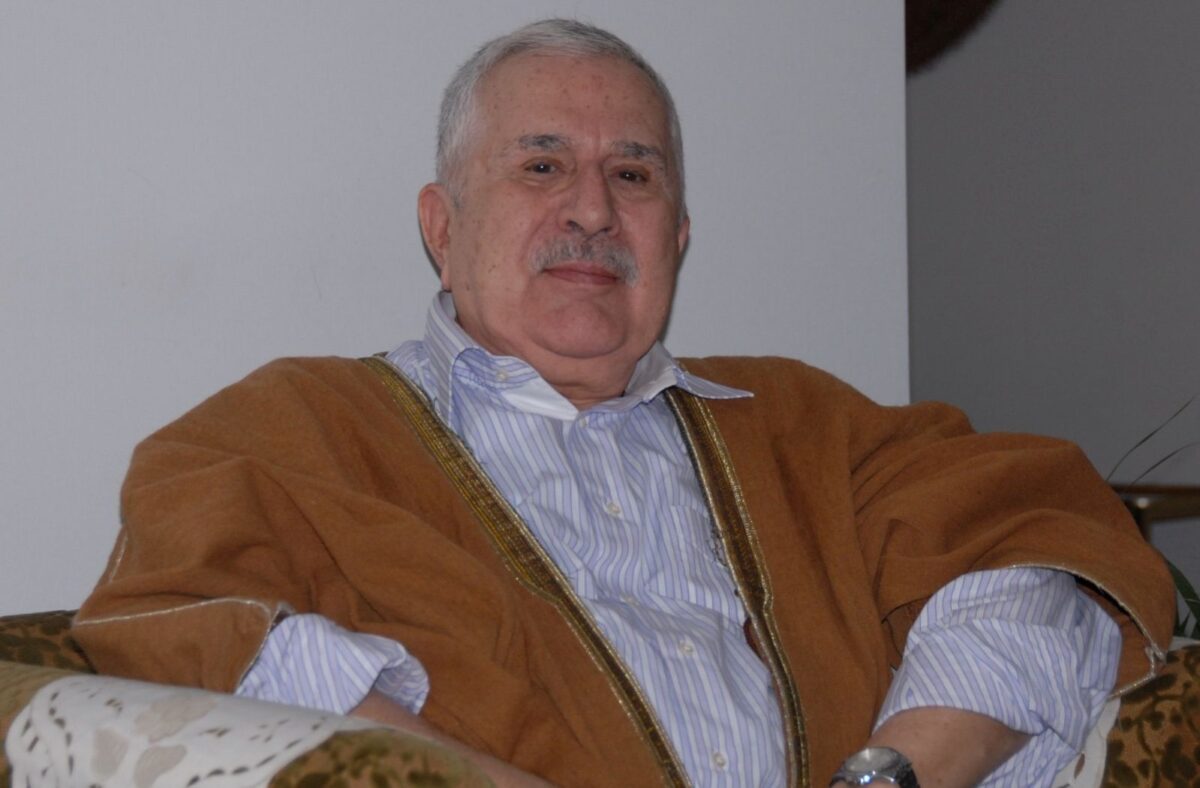
It is in this context that I was reminded of a largely forgotten, and unpublished, piece by the late great Kamal Salibi, arguably Lebanon’s most distinguished historian. Written in 1969, following violent clashes in the southern city of Sidon, Salibi’s ballad captures not only a moment in time but a pattern that Lebanon has yet to escape.
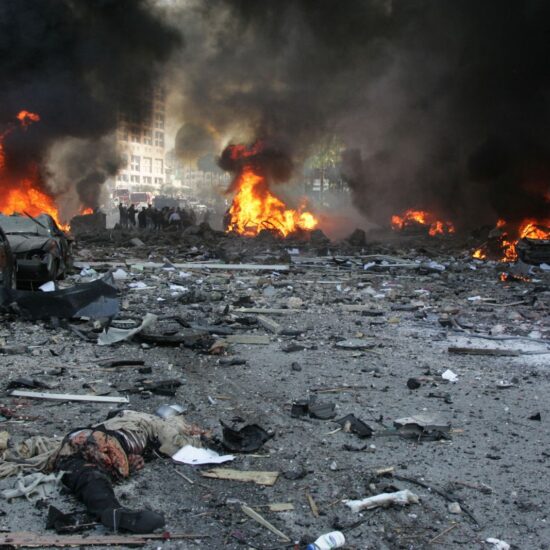
The events that inspired it were themselves part of an earlier chapter of the same story. On April 23, 1969, Saint George’s Day, Sidon descended into chaos. Nasserist Arab nationalists, Baathists inspired by Michel Aflaq, and factions aligned with George Habash’s Popular Front for the Liberation of Palestine took to the streets. What began as ideological fervor quickly turned into urban destruction, forcing the Lebanese army to intervene.
The details matter less than the structure: a regional struggle projected onto Lebanese soil, local actors subsumed into broader ideological battles, and a state compelled to confront forces operating in its name but beyond its control.
At the time, Salibi was studying the art of the ballad under his good friend, the English Frank Stoakes. When it became clear that the Lebanese army had restored order, Stoakes suggested that Salibi commemorate the event in verse—with a deliberately sharp and ironic closing line: “The Lebanese army has shot them to pieces.”
What emerged was not merely satire. It was a diagnosis.
Today, as Lebanon once again stands on the edge of a conflict shaped by others—this time between Iran and Israel—the resonance of Salibi’s words is difficult to ignore. The names have changed; the logic has not. Armed actors still claim to speak in the name of higher causes. External powers still treat Lebanon as an arena. And the Lebanese state still struggles to assert a monopoly over violence within its own borders.
Salibi understood something that remains deeply uncomfortable: that Lebanon’s crisis is not only one of external intervention, but of internal complicity. The willingness of local actors to align themselves with regional projects, whether under the banner of Arab nationalism then, or “resistance” now, has repeatedly come at the expense of the state itself.
And yet, there is something almost poetic about returning to this ballad today.
Saint George, in legend, slays the dragon.
In Lebanon, the dragon keeps changing shape.
But it never really dies.
BALLADE FOR SAINT GEORGE’S DAY
by Kamal Salibi
(Original unpublished text excerpt)
BALLAD FOR SAINT GEORGES DAY – by Kamal Salibi
When Nasser seized power in the land of the Nile
And started to dream of a broader frontier,
Our National Front, which was Egyptophile,
Proclaimed him a prophet, a saint and a seer.
His pan-Arab teachings, so far from sincere,
Were preached in our land as a new catethesis.
Where now are the men who once told his brevier?
The Lebanese army has shot them to pieces.
The Baath, which was formed by the treacherous guile
Of Aflaq, the man with the Byzantine sneer,
Struck firm roots in Syria then, after a while,
Began to draw schemes for expanding its sphere.
Its precepts, deluding as well as unclear,
Were issued in vile and nefarious releases.
Where now are the Baathists? They’re vanished from here:
The Lebanese army has shot them to pieces.
The jaquerie headed by Habash, in style,
Differs little from Aflaq’s; at least, so I fear.
Its military strategy raises a smile.
Poor fools! For their end is surprisingly near.
Their leaders, whom many are starting to jeer,
Now openly opt for the Marxian thesis.
But who, to their causus, is left to adhere?
The Lebanese army has shot them to pieces.
ENVOI :
Emir, shed your worries and be of good cheer;
Take time off to play with your nephews and nieces.
No foe men are left to obstruct your career:
The Lebanese army has shot them to pieces.
Makram Rabah is the managing editor at Now Lebanon and an Assistant Professor at the American University of Beirut, Department of History. His book Conflict on Mount Lebanon: The Druze, the Maronites and Collective Memory (Edinburgh University Press) covers collective identities and the Lebanese Civil War. He tweets at @makramrabah
Follow NowLebanon on social media: X , Instagram and Facebook