What’s happening:
An attempted assassination in Hazmieh targeted Mohammad Ali Kourani, identified as a Quds Force–affiliated figure, marking the second such attempt against him in recent weeks. The operation underscores a growing pattern of precise strikes inside Lebanon’s urban core.
Why it matters:
The incident signals a shift in the operational landscape—from border zones to densely populated civilian areas—raising serious concerns about intelligence penetration and the state’s ability to maintain internal security.
The details:
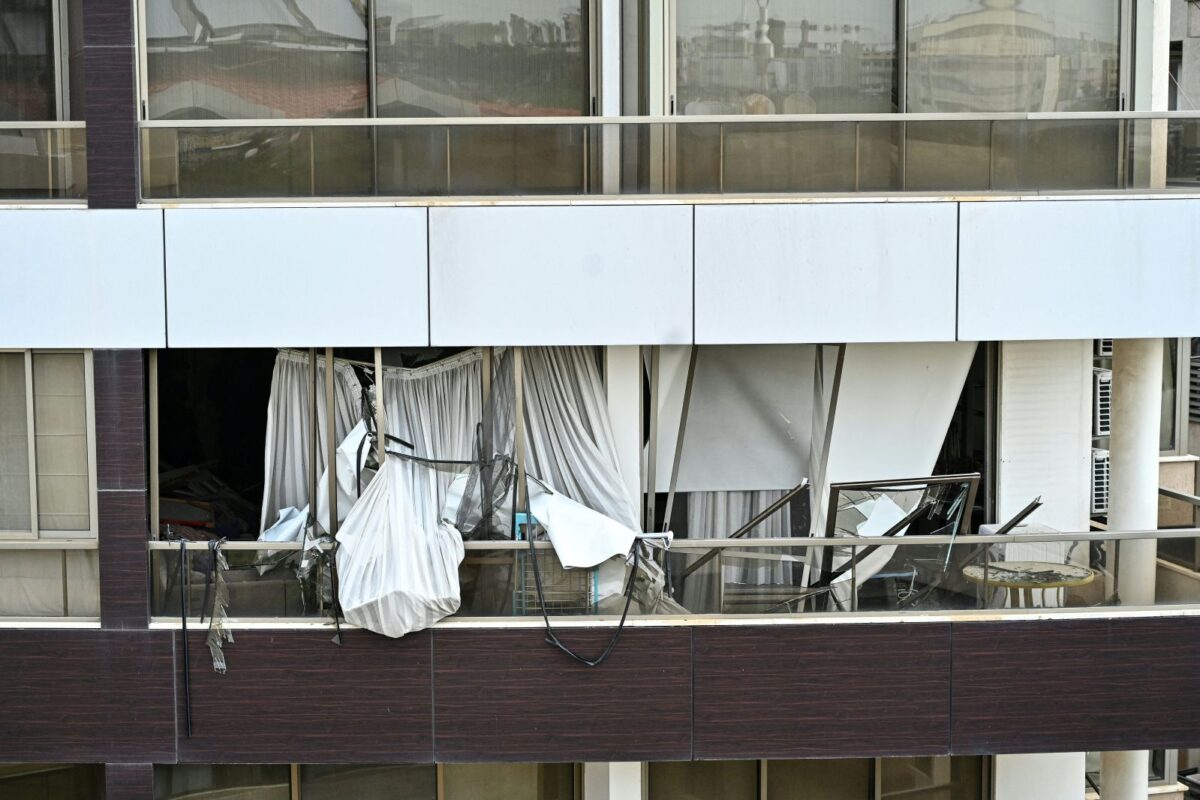
Local reports indicate that Kourani was targeted inside an apartment he had rented roughly two months ago in the “Gharib” building in Hazmieh.
He had reportedly arrived at the residence hours before the strike with his wife and son; all survived without injury.
This marks the second attempt on his life in a short span. Weeks earlier, he narrowly escaped a strike on the Comfort Hotel after leaving minutes before impact.
Israeli media described the Hazmieh operation as a “precise strike” aimed at “specific targets.”
Lebanese authorities have yet to issue an official statement clarifying the circumstances or outcomes of the incident.
Between the lines:
The repeated targeting of the same individual suggests a sustained intelligence-driven campaign rather than an isolated event, likely tied to a broader operational network.
The ability to track and strike such targets inside residential neighborhoods reflects a high level of intelligence penetration and surveillance capability.
Hazmieh, typically considered a tightly monitored area under Lebanese military intelligence and security agencies, raises additional questions: whether this reflects systemic security gaps or deeper structural limitations in state control over sensitive files.
The big picture:
This incident highlights an evolving security reality in Lebanon, where targeted operations are no longer confined to peripheral or military zones but are unfolding within civilian environments. The implications are significant: an erosion of territorial sovereignty, increased risks to non-combatants, and the normalization of a security doctrine that treats the Lebanese interior as an open operational field.
What’s next:
The absence of an official Lebanese response leaves room for competing narratives and reflects either institutional caution or incapacity. As such incidents multiply, pressure will mount on the state to define its position—and demonstrate its ability—to safeguard both its sovereignty and civilian population.