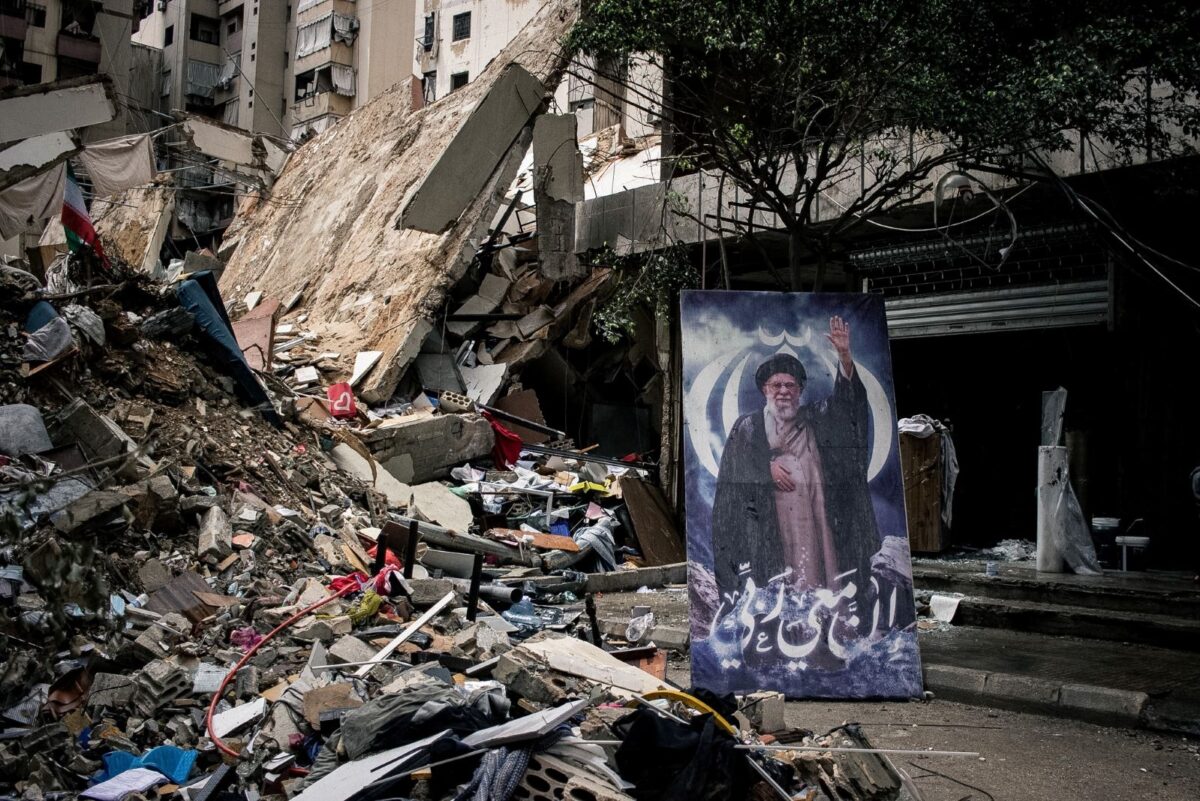
A destroyed house in Dahieh. Photo: Laura Hülsemann.
Dahieh, Beirut — Shortly after the outbreak of the war between Hezbollah and Israel on March 2, Beirut’s southern suburb of Dahieh was transformed into a near-deserted area. Following large-scale evacuation orders issued by the Israeli military, thousands fled the densely populated area. Amid the ceasefire, life is slowly returning to Dahieh.
On Thursday, Lebanese and Israeli ambassadors agreed to extend the ceasefire by three more weeks, after it was set to expire this coming Sunday. Israel’s Yechiel Leiter and Lebanon’s Nada Moawad met with American President Donald Trump in the Oval Office. U.S. Secretary of State, Marco Rubio, Vice President JD Vance and the U.S. Ambassador to Lebanon, Michel Issa as well as his counterpart to Israel, Mike Huckabee were also present.
Trump later said that there was a “great chance” for both countries to make a peace deal — and reiterated his invitation to Lebanese President Joseph Aoun and Israeli Prime Minister Benjamin Netanyahu to D.C. Trump hopes that the historic meeting will happen during the next three weeks.
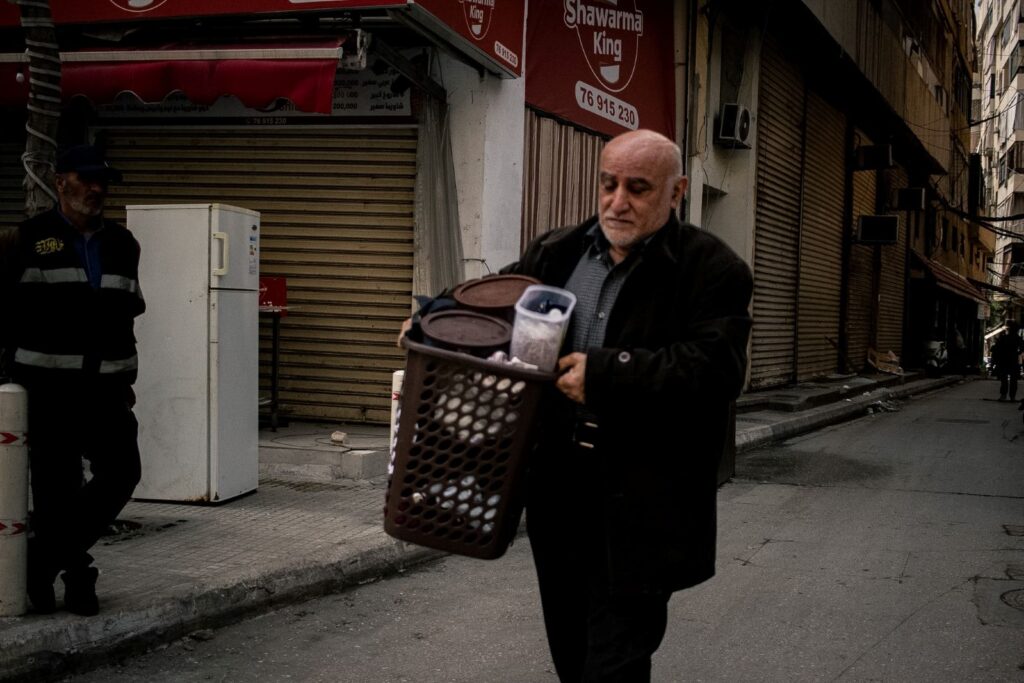
A man carries a basket through Dahieh. Photo: Laura Hülsemann.
The temporary 10-day ceasefire started on April 16, but the fighting did not fully end. On Wednesday, a Lebanese journalist Amal Khalil was killed in an Israeli attack and another journalist was injured in south Lebanon.
Hezbollah has also continued fighting — the militia shot rockets at Israel on Tuesday. On Thursday the militia said their attack was a response to Israeli ceasefire violations. Hezbollah also claimed it carried out four operations in the south of Lebanon.
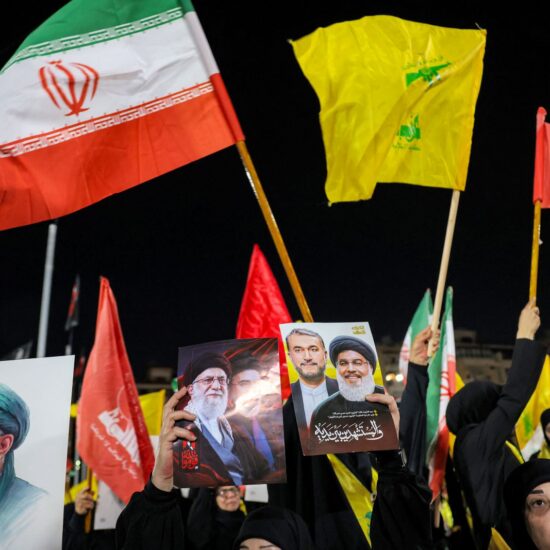
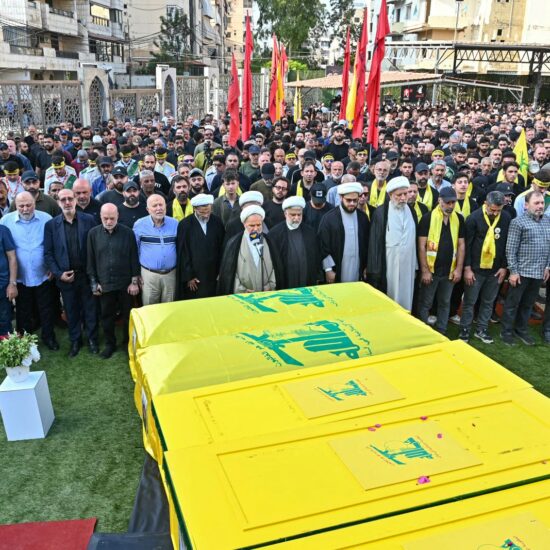
For several weeks, the predominantly Shiite neighborhood was heavily hit by Israeli bombardment. Dahieh is home to an estimated 700,000 people and has been the hardest-hit area in Lebanon’s capital. The suburb is widely regarded as a Hezbollah stronghold.
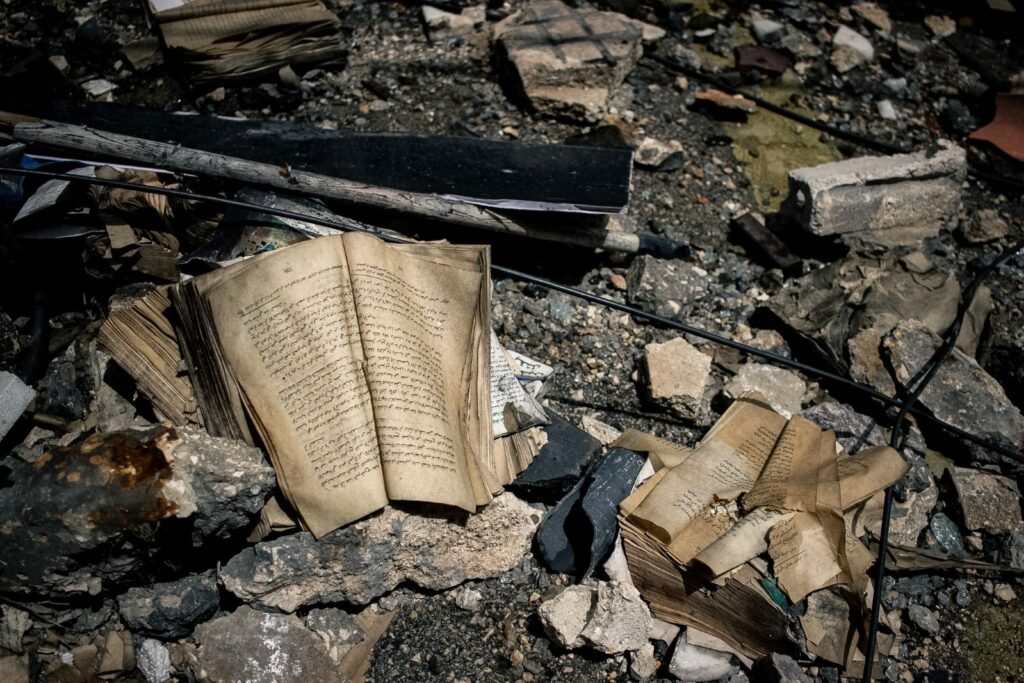
Books lay in the middle of the rubble in Dahieh. Photo: Laura Hülsemann.
Beirut, Lebanon’s capital, and its suburb Dahieh have in the past week been spared further attacks. Some residents have cautiously begun returning to their homes. Others remain hesitant.
Many fear that the airstrikes could resume at any moment. Shelters are overcrowded and in poor conditions, and space is limited. Amid uncertainty about the durability of the ceasefire, some displaced residents are reluctant to give up their spots in those emergency accommodations. Returning home carries the risk of being displaced again — with nowhere to go.
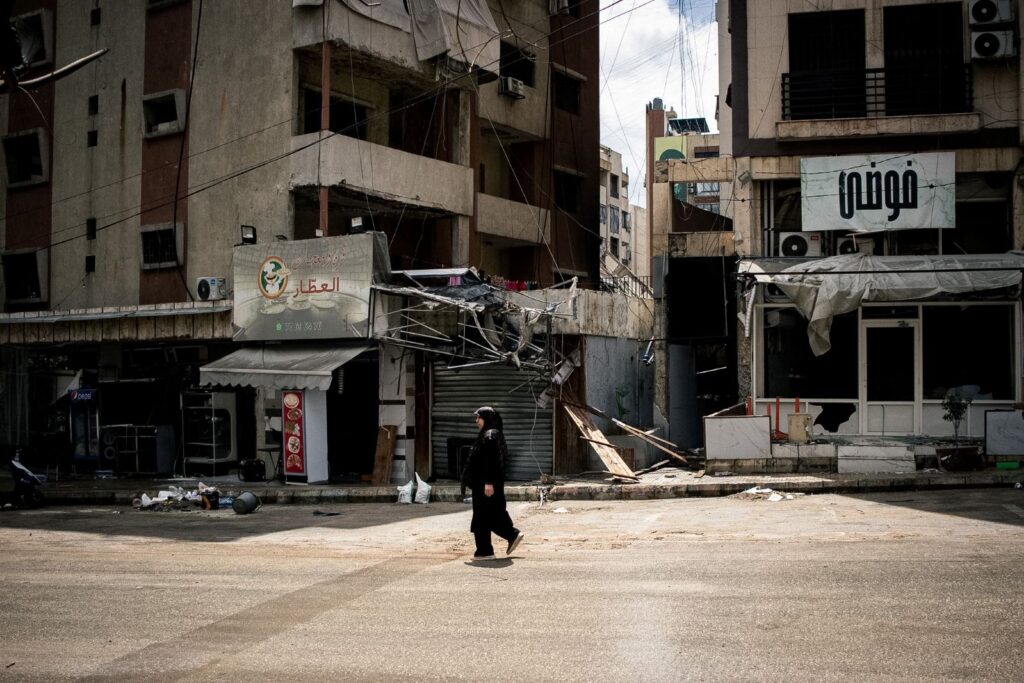
A woman walks in an empty street of Dahieh. Photo: Laura Hülsemann.
On Monday, Hezbollah invited journalists to observe the destruction in Haret Hreik. Movement was restricted to selected streets. Destroyed buildings appeared at frequent intervals. Near some piles of rubble, the air carried the smell of decay — suggesting that bodies may still be trapped under the debris.
Despite the destruction, signs of life are slowly re-emerging. Municipal workers have begun clearing debris from the streets, while groups of men gather in public spaces to drink coffee and eat manouche together. But Dahieh does not yet feel normal.
Differing expectations of the talks
Israel and Lebanon entered negotiations with differing demands. Lebanese officials are aware that engaging in talks with the Israeli government while fighting persists could be perceived domestically as a sign of weakness.
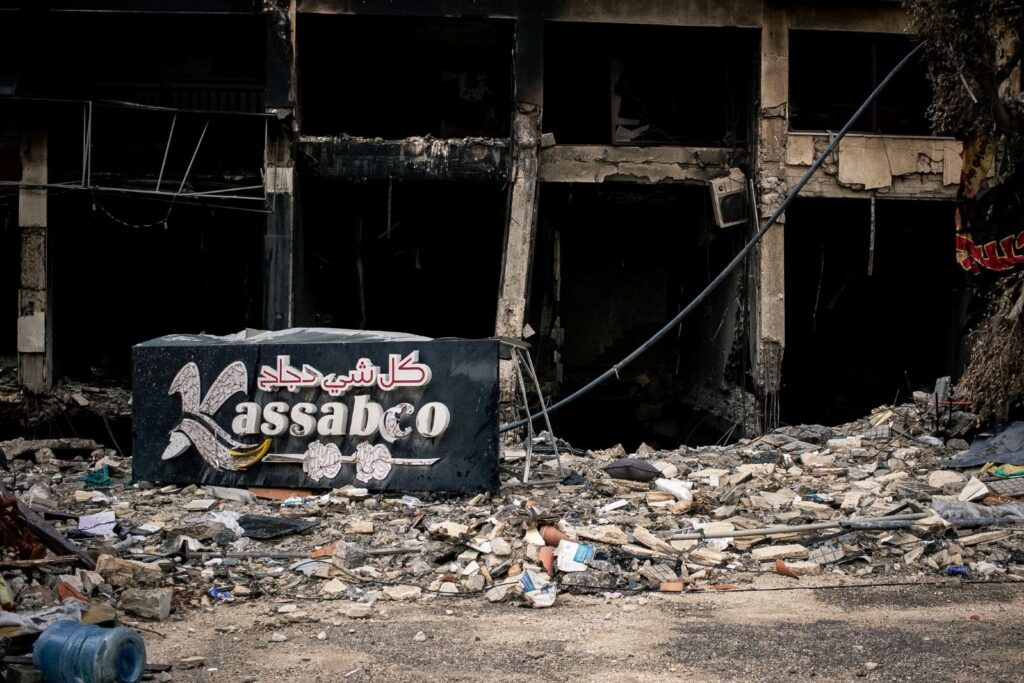
The sign of a now destroyed restaurant stands in front of a demolished building. Photo: Laura Hülsemann.
Beirut views a ceasefire as a necessary precondition for any meaningful negotiations towards peace. Ahead of the meeting, a Lebanese official said his country would call for the complete withdrawal of Israeli forces from its territory, the release of Lebanese detainees and a solution to the border disputes between both countries.
Israel, in turn, is demanding the full disarmament of the Iran-backed militia Hezbollah — an objective that, in principle, is also supported by the Lebanese government. Israeli Ambassador Leiter yesterday underlined that Lebanon must step up against the Iranian proxy inside its territory, a condition he sees essential for “achieving our mutual goal”.
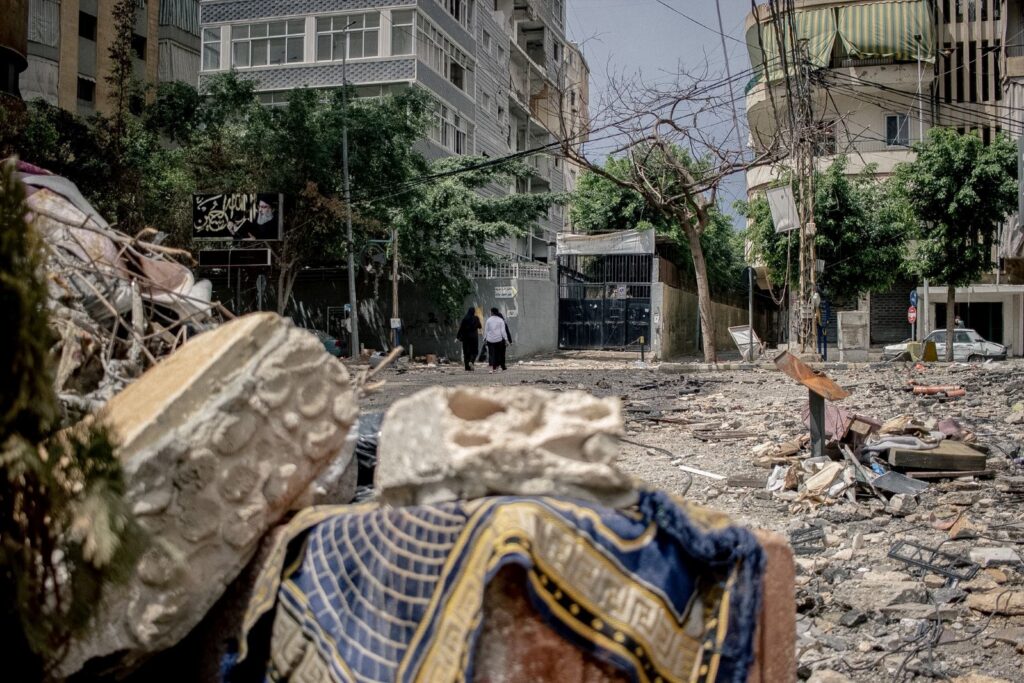
Three women are walking in the middle of the rubble. A prayer carpet and a book stand remain in the debris. Photo: Laura Hülsemann.
The challenge, however, lies in differing expectations over the pace and feasibility of the disarmament process. Beirut remains wary of deepening sectarian divisions within the country and concerned that quick action could trigger internal unrest.
Another point of contention is Israel’s occupied buffer zone inside south Lebanon. Israel marks this territory by a “Yellow Line” that runs 5 to 10 kilometers parallel to the Israeli border. Israel has suggested that its withdrawal from this area is conditional on the disarmament of Hezbollah.
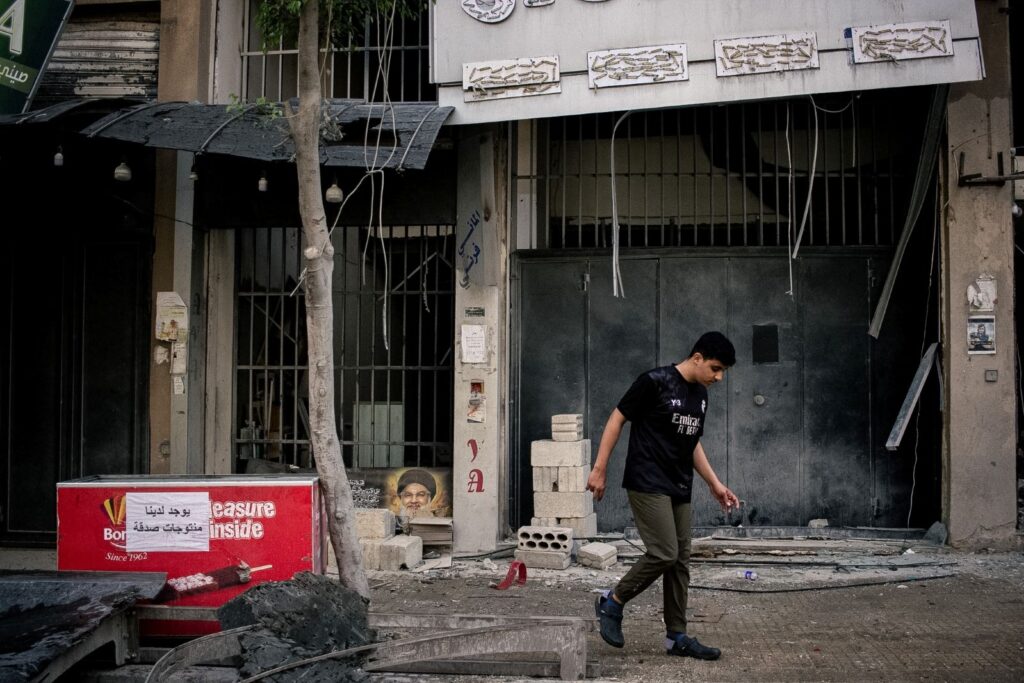
A young man walks through the streets of Dahieh. Photo: Laura Hülsemann.
In Dahieh, reactions to the ceasefire and negotiations are mixed. While young men celebrated the pause in fighting last week with gunfire and RPGs, many Hezbollah supporters criticized the talks with Israel. For the militia, which defines itself through its resistance to Israel, ongoing Israeli presence in the south of Lebanon is a deal-breaker.
The war has taken a heavy toll on Lebanon and its population. Dahieh, long at the center of the fighting, has seen its residents repeatedly displaced — forced to flee time and again, watching their homes destroyed, and enduring an ongoing cycle of destruction and reconstruction.
The key question facing Lebanon is whether residents in Hezbollah-dominated areas will eventually oppose the repeated cycle of war, displacement, and destruction — and whether the Lebanese state and its military can assert authority in these areas.
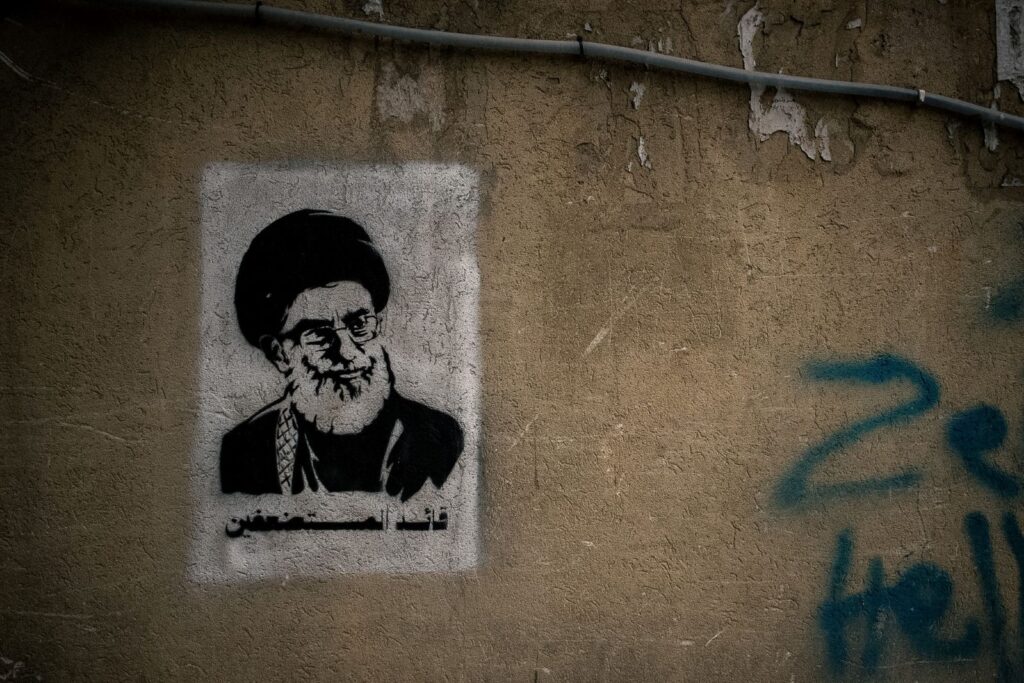
A graffiti of Ayatollah Ali Khamenei on a house in Dahieh. Photo: Laura Hülsemann.