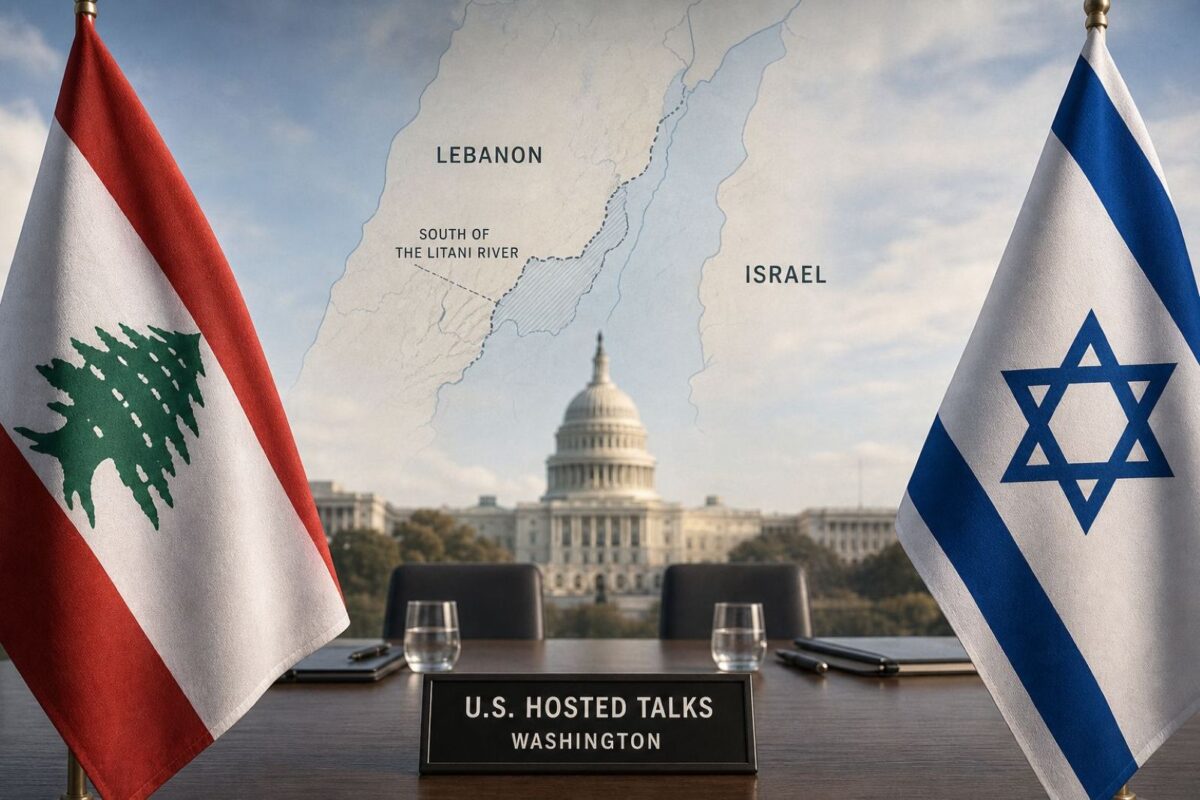
Lebanon has dispatched veteran diplomat Simon Karam to lead its political representation in a new round of negotiations with Israel expected to take place in Washington next week, in what officials describe as part of a broader U.S. effort to shift from ceasefire management toward a more structured security and border negotiation track.
Why it matters: The move signals that Beirut is cautiously preparing for a more political phase of indirect engagement with Israel, while trying to avoid the domestic fallout of appearing to enter formal normalization talks.
Behind the scenes: The decision was made after consultations between President Joseph Aoun and Prime Minister Nawaf Salam, according to sources familiar with the discussions.
Lebanese officials view Karam as acceptable to Washington and capable of handling politically sensitive negotiations without directly involving the presidency at an early stage.
Officials said one of the core objectives behind his appointment is to prevent any premature or poorly managed encounter between Aoun and Israeli Prime Minister Benjamin Netanyahu before preliminary understandings are reached.
The current strategy is aimed at exhausting diplomatic and security channels first, while keeping direct presidential engagement off the table for now.
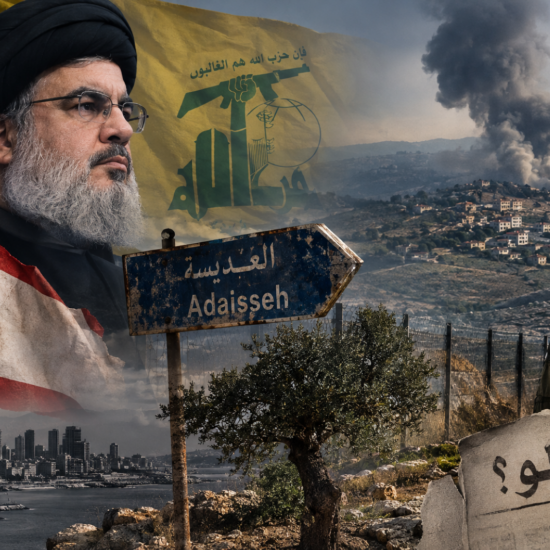
The big picture: Washington has been trying to build on the fragile ceasefire framework established after months of cross-border fighting between Israel and Hezbollah.
U.S. officials are now exploring whether the current de-escalation process can evolve into a more durable arrangement focused on southern Lebanon, border security and military deployment mechanisms.
What they’re discussing: According to officials briefed on the preparations, next week’s talks are expected to focus on:
Stopping Israeli military operations in southern Lebanon;
Deployment arrangements south of the Litani River;
The role of the Lebanese army in enforcing future security understandings;
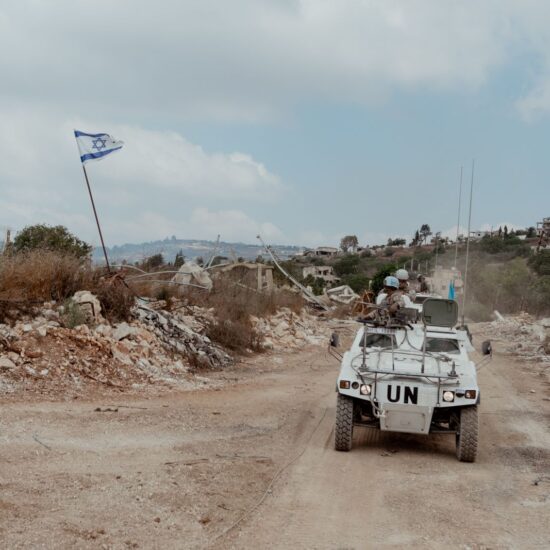
Coordination mechanisms involving UNIFIL and international monitors.
Lebanon’s delegation is also expected to include a representative from the Lebanese army alongside Lebanese Ambassador to Washington Nada Hamadeh.
That inclusion is intended to signal that Beirut considers the negotiations primarily security-related rather than political, according to Lebanese officials familiar with the planning.
What to watch: Lebanese officials remain deeply cautious about allowing the talks to evolve into a broader political process tied to normalization with Israel.
Officials insist the current discussions are limited to security and military arrangements.
Beirut is particularly sensitive to domestic criticism that could emerge if negotiations are portrayed internally as political concessions.
Several Lebanese officials involved in the file believe maintaining institutional distance between the presidency and the negotiations remains critical at this stage.
The other side: Israeli officials have publicly indicated interest in securing longer-term border stability and preventing Hezbollah from rebuilding military infrastructure near the frontier.
But significant gaps remain over implementation mechanisms, enforcement guarantees and the future rules governing military activity along the border.
Between the lines: The structure of the Lebanese delegation reflects an effort to distribute responsibility across multiple state institutions rather than concentrating ownership of the negotiations within the presidency alone.
Officials involved in the process believe that approach gives Beirut greater political flexibility if talks stall or come under internal pressure.
Reality check: Lebanese officials privately acknowledge that the success of the emerging negotiation track will depend heavily on Washington’s ability to secure Israeli commitments regarding military operations and border de-escalation.
For now, next week’s meetings are being treated less as final-status negotiations and more as a test of whether both sides are prepared to move beyond temporary ceasefire arrangements toward a more stable security framework.
Follow NowLebanon on social media: X , Instagram and Facebook