Photo by HOUSSAM SHBARO / ANADOLU / ANADOLU VIA AFP
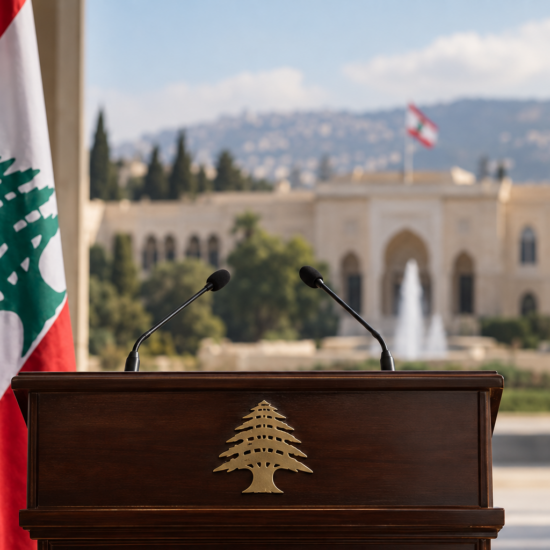
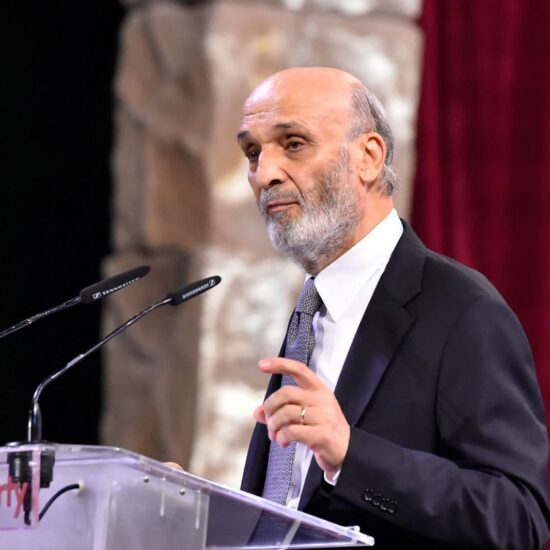
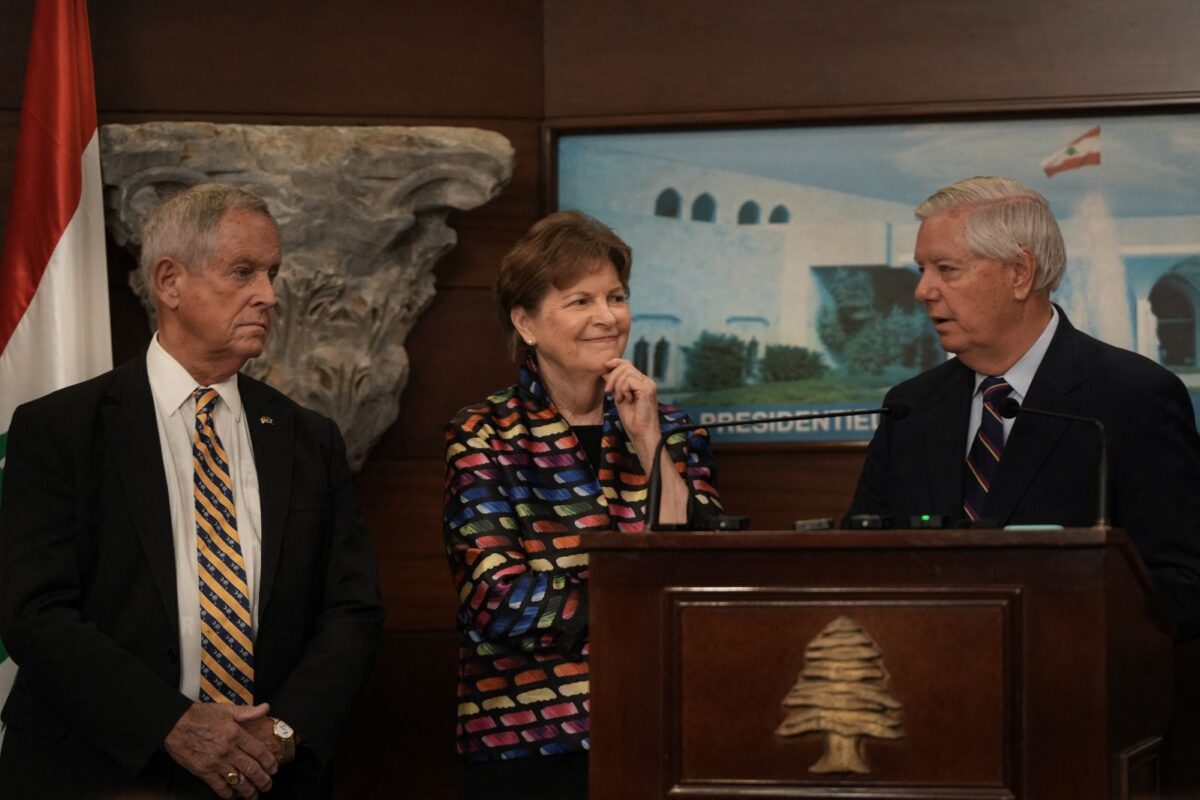
BEIRUT, LEBANON - AUGUST 26: US senator Lindsey Graham (R) speaks during a press conference after their meeting along with US ambassador to Turkiye and Special Envoy for Syria Tom Barrack (not seen) and Deputy Special Envoy to the Middle East Morgan Ortagus (not seen) and Lebanese President Joseph Aoun (not seen) at al Babdaa Palace in Beirut, Lebanon on August 26, 2025.
The passing of Senator Lindsey Graham marks the loss of one of the most consequential American voices on the Middle East and one of the few friends of Lebanon who believed that genuine friendship required honesty rather than indulgence.
For more than two decades, Graham remained a constant presence in debates over America’s role in the region. He was admired by some, criticized by many, but ignored by none. His convictions were rarely softened by diplomatic convention. He possessed a candor that had become increasingly rare in international politics, preferring uncomfortable truths to comforting illusions.
Lebanon occupied a special place in that worldview.
Unlike many foreign officials who came to Beirut eager to reassure every audience they encountered, Graham consistently spoke to the country’s deeper predicament. He understood that Lebanon’s crisis was never merely economic, financial, or humanitarian. At its heart lay the question of sovereignty: whether the Lebanese state alone would possess the authority to make peace, wage war, and protect its citizens.
His words were often difficult for Lebanese politicians to hear because they challenged the convenient myths that had sustained decades of paralysis.
His words were often difficult for Lebanese politicians to hear because they challenged the convenient myths that had sustained decades of paralysis. When he declared that Lebanon could not move forward without disarming Hezbollah and placing all weapons under the authority of the Lebanese Army, he was not offering an American ultimatum. He was expressing a reality that many Lebanese privately acknowledged but too few were willing to state publicly.
That was Lindsey Graham’s defining quality. He never confused friendship with flattery.
His final visit to Beirut reflected precisely that spirit. Rather than offering vague promises or carefully crafted diplomatic formulas, he spoke plainly. He argued that Lebanon’s future depended on restoring the state’s exclusive authority over arms, that such a step would transform the country’s regional standing, strengthen its partnerships with the Arab world and the West, and even make possible forms of strategic cooperation that once seemed unimaginable. Whether one agreed with every aspect of his vision or not, there was no mistaking his sincerity. He believed Lebanon deserved better than permanent crisis.
There was something deeply refreshing about his refusal to participate in Lebanon’s culture of ambiguity. In a country where difficult questions are endlessly postponed, Graham insisted on asking them. In a political environment built upon euphemisms and carefully managed silences, he preferred clarity.
Many Lebanese disagreed with him. Some viewed him as overly blunt, others as uncompromising. Yet even his critics understood that he never concealed where he stood. There was an integrity to that consistency.
History often remembers those who comfort nations in moments of despair. It should also remember those who challenge nations to confront the truths they would rather avoid. Lindsey Graham belonged firmly to the latter category.
History often remembers those who comfort nations in moments of despair. It should also remember those who challenge nations to confront the truths they would rather avoid. Lindsey Graham belonged firmly to the latter category.
His passing leaves a void not only in American politics but also among those international figures who regarded Lebanon not as a permanent ward of the international community, but as a country capable of reclaiming its sovereignty if only it possessed the courage to do so.
Perhaps that will be his enduring legacy here. He believed that Lebanon was worth telling the truth to.
Perhaps that will be his enduring legacy here. He believed that Lebanon was worth telling the truth to.
And in a country too accustomed to comforting lies, that may have been the greatest act of friendship of all.