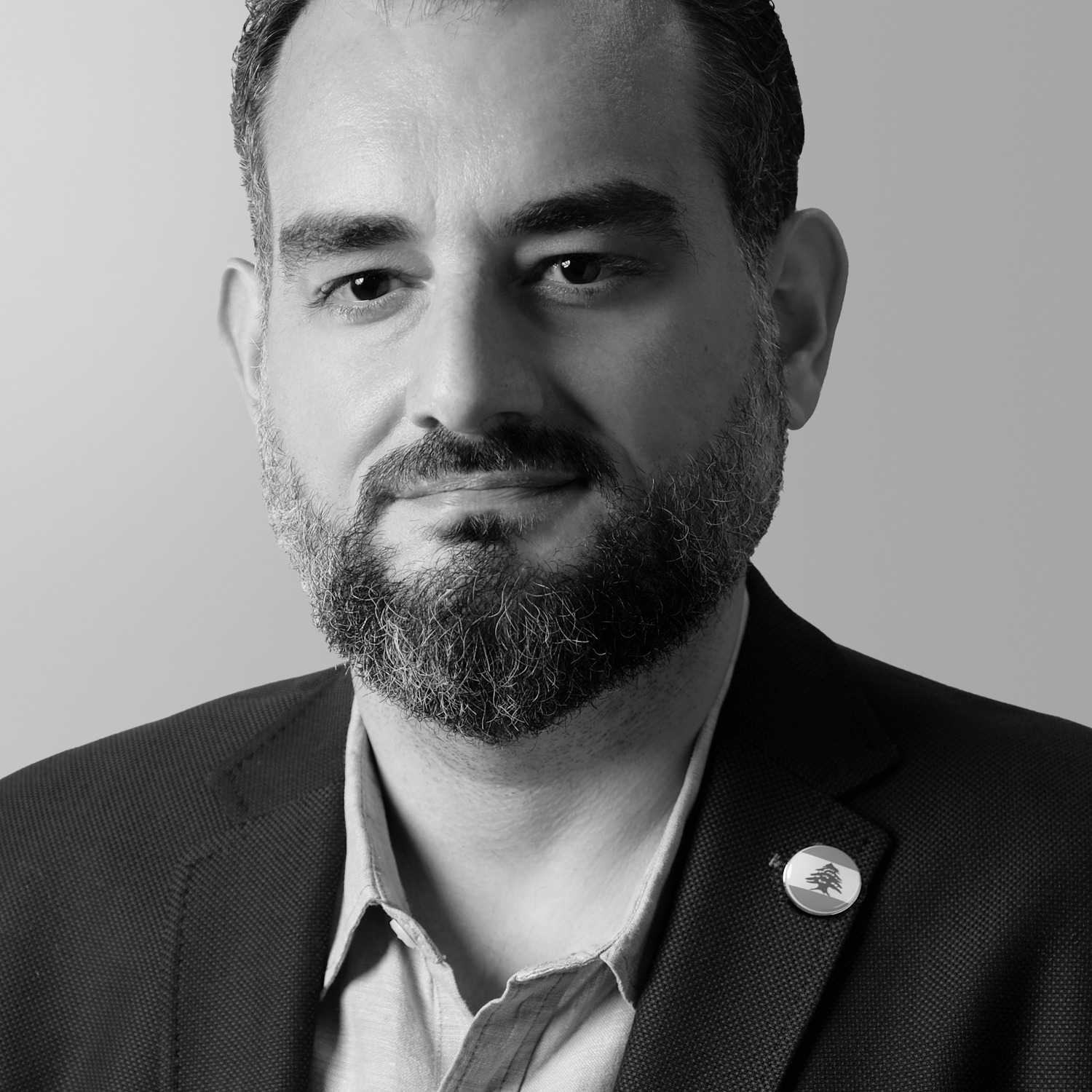
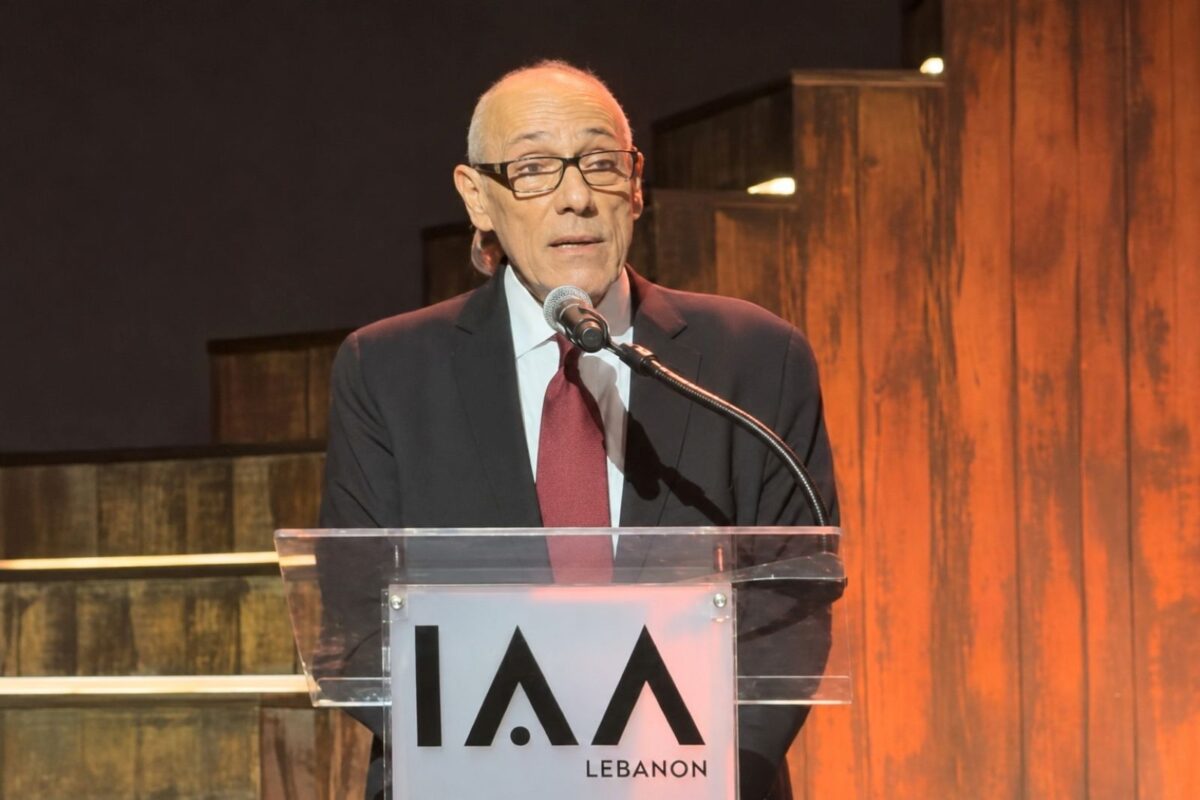
Eli Khoury, founder and Chairperson of Quantum Communications and Quantum Group, and CEO of M&C Saatchi MENA
Eli Khoury, founder and Chairperson of Quantum Communications and Quantum Group, and CEO of M&C Saatchi MENA, used his induction into the IAA Lebanon Hall of Fame to tell the story of two people who shaped him before he entered advertising. One was his mother, Geneviève Atallah. The other was cartoonist Stavro Jabra, who took him under his wing at 15 and taught him how to draw a caricature, set type, write an article and design a page. He learned by candlelight, a detail he offered with the dry humor of someone who came of age during Lebanon’s Civil War.
Khoury was among 12 advertising and media figures inducted at the third edition of the Hall of Fame, held at Music Hall in Beirut. The ceremony marked the 65th anniversary of the International Advertising Association’s Lebanon chapter. It also introduced a brand category, with Exotica becoming the first Lebanese brand to receive the honor.
“Nothing is too hard if you work at it, and there’s nothing you can’t say if your conscience is behind it.”
Speaking in Lebanese Arabic, Khoury recalled two lessons his mother taught him during the war. “Nothing is too hard if you work at it, and there’s nothing you can’t say if your conscience is behind it.” She had, he added, failed spectacularly at one thing. She never managed to get him married.
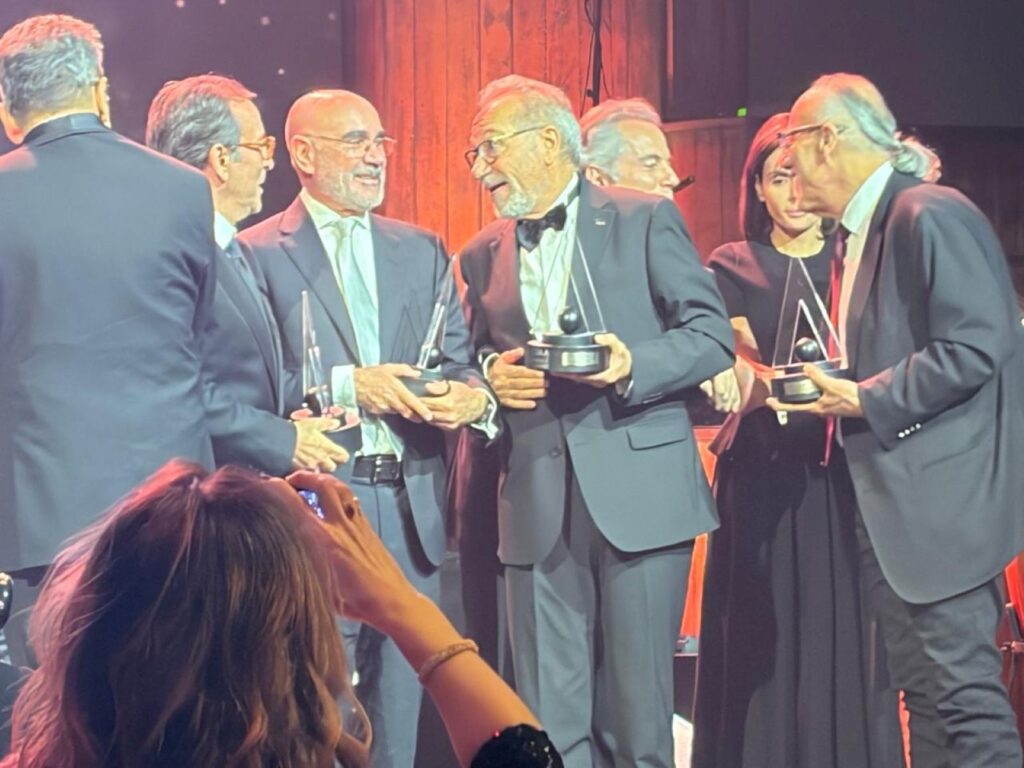
There was a harder history behind the jokes. Khoury said that his cartoons and media activism drew the attention of the Baathist authorities and eventually forced him to leave Lebanon. He spent part of his exile in Los Angeles in the 1980s, absorbing the intellectual and artistic energy of a city that would leave its mark on him alongside his mother and Jabra.
“You can’t forget a war once you’ve lived through it,”
“You can’t forget a war once you’ve lived through it,” he said, “but you can learn things from it that ordinary life doesn’t teach you.” He described the outlook he brought home in equally direct terms. “You think things through, and you’re not afraid of the truth. Reason and ethics are your first weapons, and preferably your last.”
Khoury also paid tribute to Ramzi Najjar, whom he called a brother, a friend and the partner of a lifetime. Looking back on more than 35 years of work with partners and friends, he singled out Ziad Rahbani Samir Kassir and Roudy Kamel. Some of the colleagues in the room had once been rivals. Many, he said, had become family.
The other inductees were Maher Achi, Joe Ayache, Pierre Choueiri, Pierre El Daher, Rony Jazzar, Philippe Skaff, Dani Richa, Gabriel Murr, Antonio Vincenti, Gebran Tueini and Bechara Mouzannar. Founded in 1961, IAA Lebanon is the association’s oldest active chapter, according to the IAA. It hosted the association’s World Congress in Beirut in 2002, and five Lebanese professionals have served as IAA world presidents. Chapter president Naji Boulos credited that longevity to “continuity, perseverance and solidarity.”
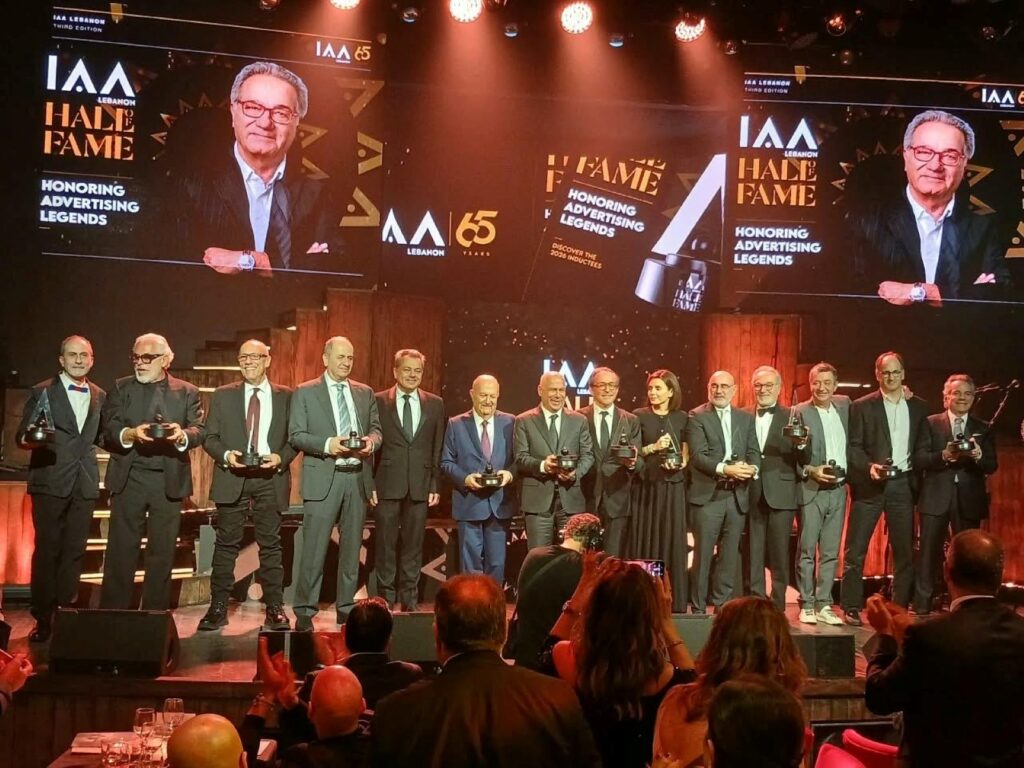
Khoury ended on Lebanon itself. He remembered a country he had seen on its way to becoming one of the finest places in the world, and spoke bluntly about the damage its own citizens and its neighbors had inflicted on it. The affection and the anger sat comfortably together. They had been there from the beginning, when a teenager learning to draw by candlelight discovered how much he could say with a few lines.
Makram Rabah is the managing editor at Now Lebanon and an Assistant Professor at the American University of Beirut, Department of History. His book Conflict on Mount Lebanon: The Druze, the Maronites and Collective Memory (Edinburgh University Press) covers collective identities and the Lebanese Civil War. He tweets at @makramrabah